




See what the crawler receives
AI Crawler Access & Governance
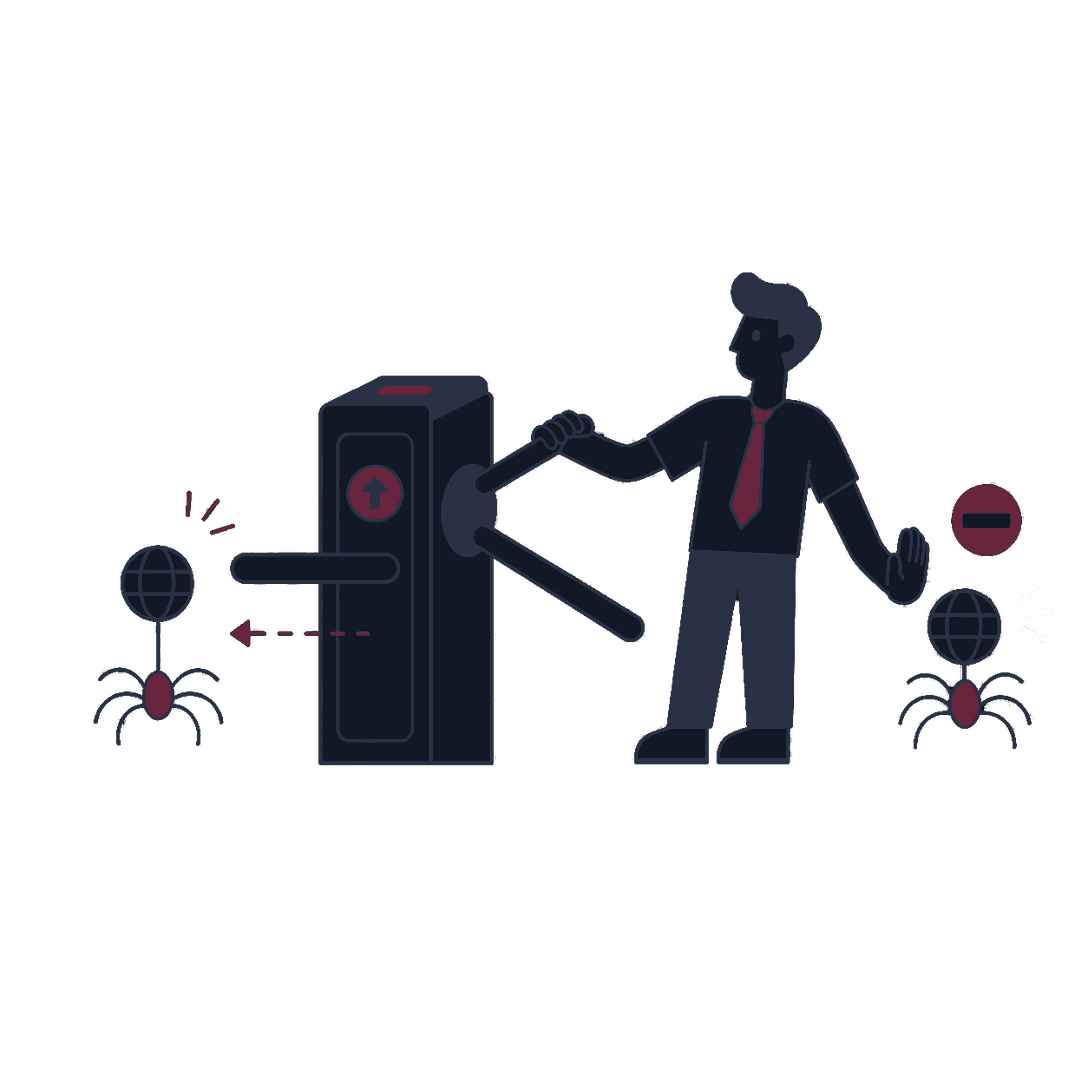
A tested route from request to extracted fact, with the failures ranked for engineering and the crawler policy recorded by purpose.
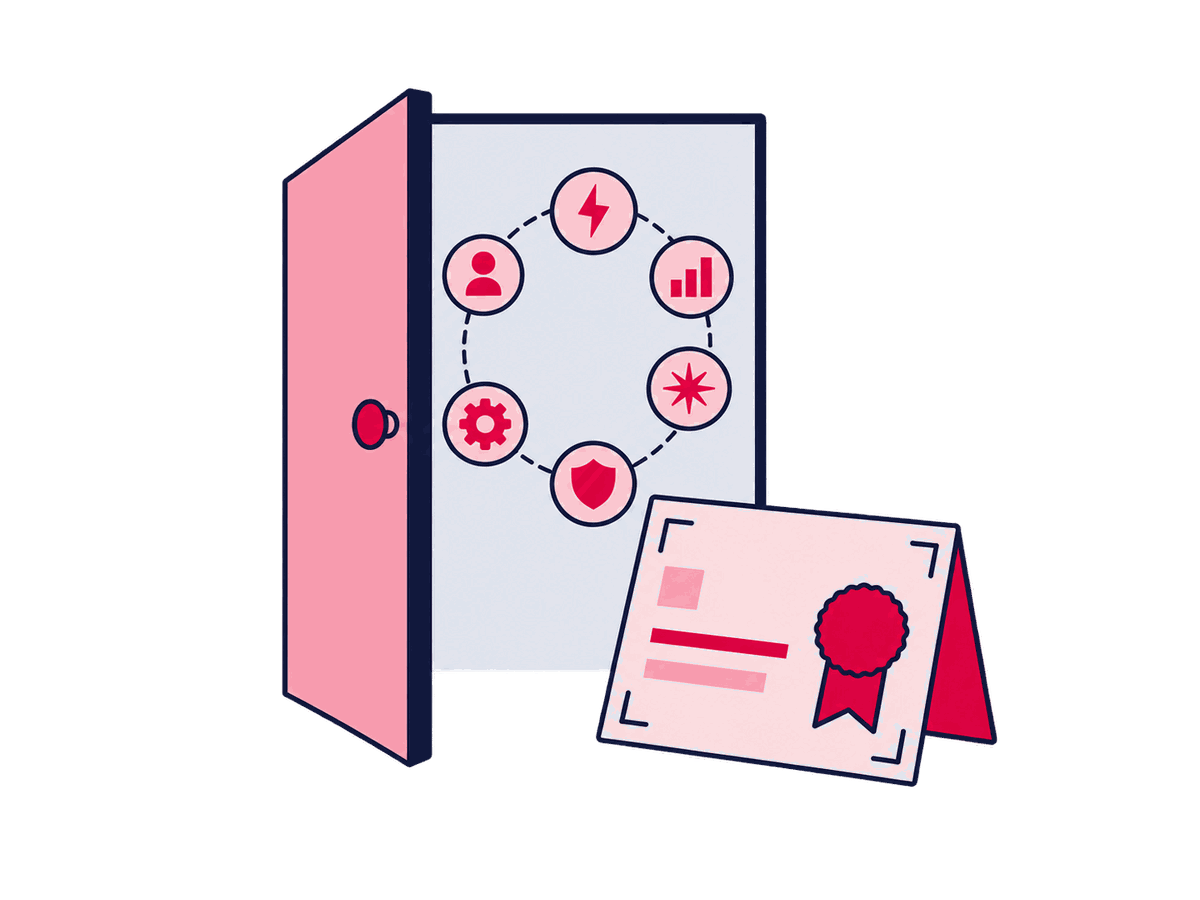
We replay declared crawler requests, compare source HTML with the rendered page and extracted text, and trace any break to the control that owns it. Schema and performance evidence stay supporting signals, not promises of selection. Your priority templates get a documented path that named crawlers can reach and read, plus a retest after release. Technical SEO and engineering leads deciding which access or rendering failures deserve sprint capacity.
Some of the 500+ brands we've worked with
See all references









































Follow the request end to end
Reproduce the failure before proposing a fix
The request and extraction records get assembled so they can be compared against each other. Named specialists interpret the break, choose the change and decide whether the release has passed the original test.
How we hold ourselves to it
- Access before optimization
- Evidence over vendor scores
- Policy set by named owners
- No crawler guarantees
Define surfaces, questions and acceptance criteria
The scope names the platforms, locales, priority templates and representative question families. It also records what the evidence can establish and where it stops. A strategist approves business relevance, exclusions and evidence labels.
Signed scope, URL sample, prompt panel and acceptance checklist.

Test live access across the delivery chain
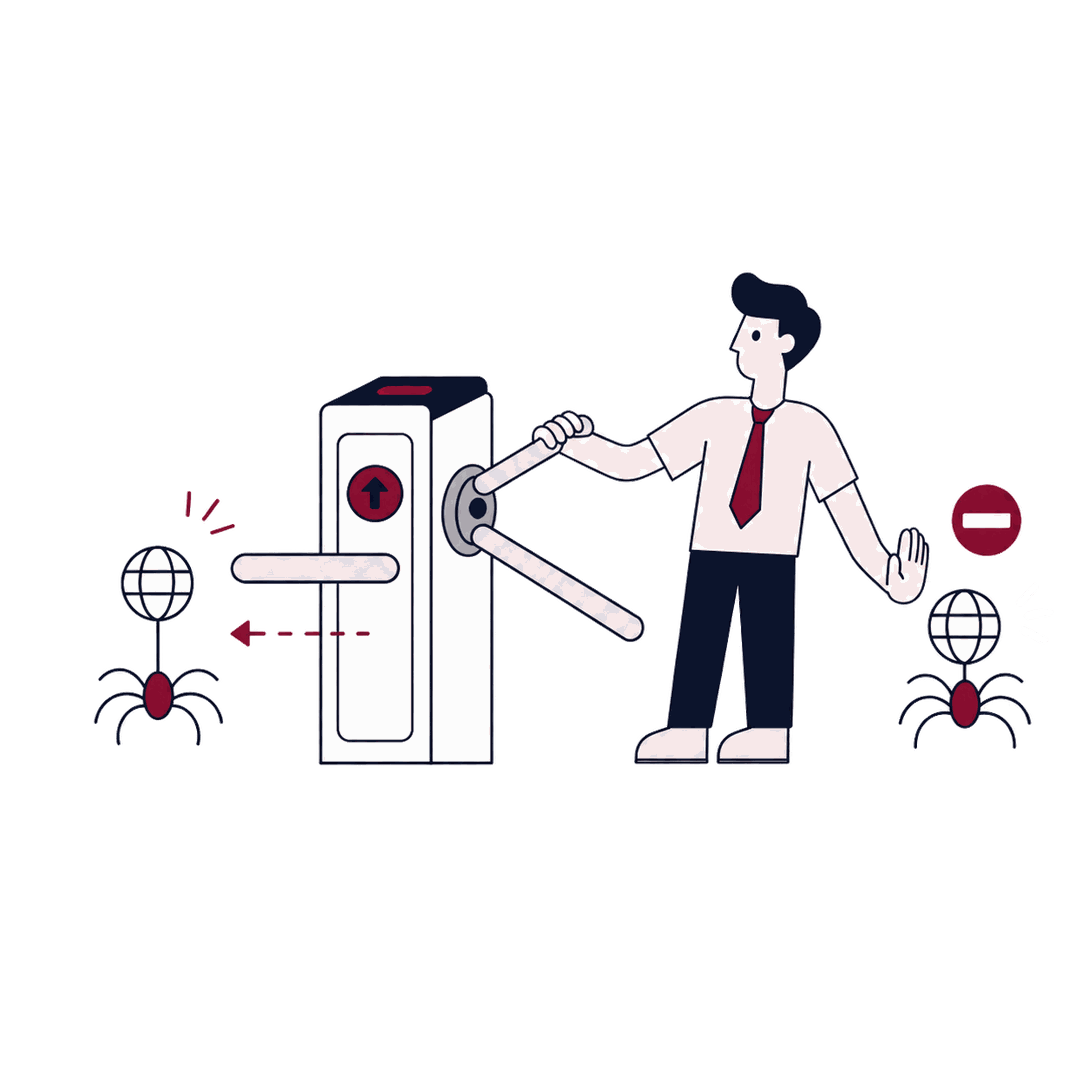
Real requests show how robots controls, redirects, status codes, headers, canonicals and CDN or WAF rules behave for each declared bot purpose. Engineering and security approve any crawler-policy or edge-control change.
Access matrix with reproducible failures and owners.

Compare source, rendered and extracted content
Important facts and links are traced through initial HTML, hydrated DOM and cleaned text so missing context and template noise become visible. A technical SEO specialist validates each failure and removes false positives.
Extraction map with annotated before-state evidence.


Reconcile page and entity signals
Visible claims are checked against canonical and hreflang signals, schema, sitemaps, internal links and trusted source-of-truth records. Content and brand owners approve canonical facts. Schema must match visible content.
Identity ledger and bounded correction specification.


Rank interventions, release and retest
Every action records its evidence status, effort, dependencies and rollback plan. The original request and extraction checks run again after release before the item can close. Zeo and the client choose the release slice. Engineering signs off technical acceptance, and Zeo signs off interpretation.
Sequenced backlog through to a validated release.
Evidence sourcing rule
Live HTTP and rendered-page tests are Observed. CDN/WAF logs and first-party platform reports corroborate them. A repeated answer-engine prompt panel counts as a Proxy, short of complete model knowledge, and official crawler guidance counts as a Constraint. An implementation change stays a Hypothesis until it is replayed. Tools get chosen for the artifact they produce, and the vendor score they print doesn't factor in. The technical SEO lead confirms every label before a finding leaves the audit, and downgrades anything reported above its evidence.
How strongly each finding is evidenced, marked Observed, Proxy, Constraint or Hypothesis.


Working evidence for the release team
Documents engineering can use
Engineering receives the reproduced failure, a release-sized action, the rule that closes it and the date the same check runs again.
Technical eligibility audit
Prioritized findings with affected templates, reproduced evidence, severity, confidence and explicit non-findings.
Implementation backlog
Release-sized tickets with acceptance criteria, dependencies, owner, risk and rollback guidance.
Validation and monitoring plan
Repeatable tests, metrics, expected variance, alert thresholds and reassessment dates.
The rule that closes a finding
Every result records URL, client, timestamp and raw evidence. Visible content and structured data must agree. Search, training and user-directed agents each get their own policy call. A technical fix proves eligibility or extraction improved, while citation and business outcomes stay separately measured.
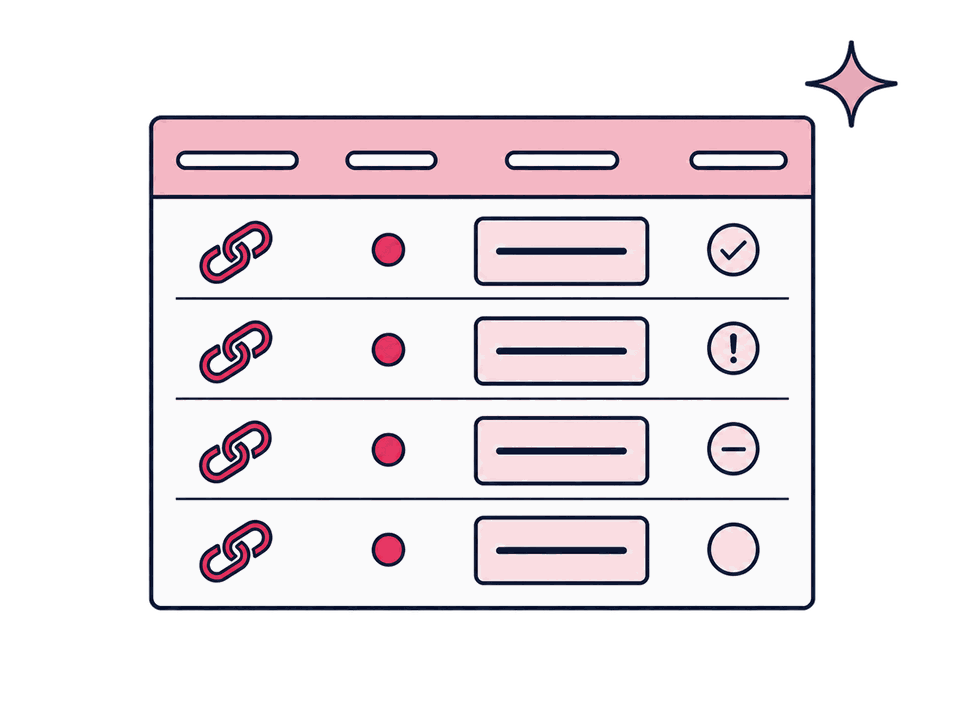
Five rates, reported separately
Fetch success rate, material-fact extraction rate, identity consistency rate, repeated-run citation exposure with support precision, and qualified AI referral outcomes. Each is counted against the set of requests or runs it applies to, and each carries its own limitations. You never get one blended GEO score.
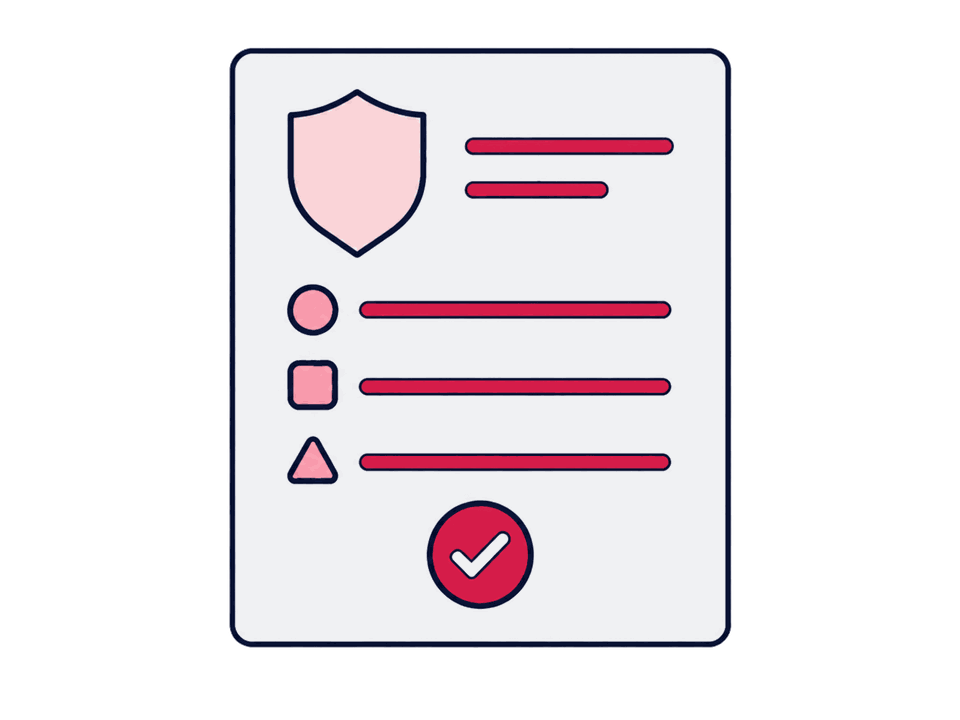
Crawler policy record, kept current
The policy chosen for each crawler purpose, with the guidance and URL sample behind it. Every affected release replays the checks that close a finding, a monthly window reviews prompt-panel distributions and referral evidence, and a quarterly review refreshes the crawler guidance, the bot-purpose policy and the priority URL sample.
Start with the live request
Reachability has to be settled first
Bring this work in when nobody can yet show whether a named crawler fetches the page and recovers the facts that matter. Broader technical health, ranking and citation performance need their own diagnosis.
A good fit when
- Key facts depend on JavaScript — The initial HTML is incomplete, content arrives after interaction or important copy is embedded in inaccessible widgets.
- Bot access is uncertain — robots.txt appears permissive, but CDN, WAF or hosting rules may still deny or challenge declared search crawlers.
- Search signals disagree — Canonicals, hreflang, schema, sitemaps and internal links identify different preferred URLs or entity facts.
- Indexed pages are absent from AI sources — Search eligibility exists, but repeated platform observations show retrieval or citation gaps worth diagnosing.
- The test lacks named reviewers — Priority URLs, questions and read-only logs are ready, but SEO, engineering, content, analytics, legal and security still differ.
- Declared crawlers get different responses — Robots, CDN/WAF, redirects or authentication make the live request path impossible to explain.
- Source HTML and extracted text disagree — Rendered DOM drops facts, fragments passages or buries their order in template noise, so page purpose becomes unclear.
- A template exposes two versions of the same entity — Visible facts and schema match on one page, while canonical or language signals send crawlers elsewhere.
- A fix is ready but has no closure test — Changed templates and representative URLs cannot be signed off against the original acceptance rule.
Better handled as other work when
- You need a citation or ranking promise — This task tests technical eligibility. Answer-engine selection, quotation and recommendation stay with separate measurement.
- You need one crawler policy for every purpose — Search, user-directed retrieval and training need separate legal and security decisions, not a default.
- You need schema or speed to explain citations — Valid schema and Core Web Vitals support technical checks, but neither proves why an LLM selected or cited a page.
People who watch how AI cites a brand
GEO work starts with recording what AI answers actually say about a brand today, then moves to the parts you can influence. The consultants below work on the specific capability this page covers.

Can Mutioğlu
Senior SEO Executive

Elif Naz Akan Karakoç
Senior SEO Executive

Ezgi Gülsen Yaylı
SEO Manager

Samet Özsüleyman
SEO Manager

Mehmet Aktuğ
Co-Founder & COO

Emir Kağan Kahveci
SEO Analyst

Burak Pehlivan
Co-founder & CEO

Ozan Ketenci
VP of Consulting & Strategy

Metehan Urhan
New Business & Partnership Manager

Zafer Yıldız
Web Analytics Manager

Ataberk Yüzat
SEO Executive

Deniz İmre Temiztürk
Content Specialist

Didem Himmetli
Marketing Executive
Tools we use
Tools behind this work
 Screaming Frog
replays the declared crawler's exact request under its own user-agent
 Google Search Console
supplies Google's own rendered version as an independent third comparison point
 Cloudflare AI Crawl Control
the per-bot allow/block record for every named AI crawler hitting the edge
 Bing Webmaster Tools
the second index reference used when Search Console cannot settle reachability
 Botify
log evidence that a declared crawler actually arrived, not that it was permitted to
 WebPageTest
times when the material fact appears, keeping performance a supporting signal not a promise
Nearby methods and services
Canonical capability
Technical AI Search Optimization
The parent capability covers the wider technical readiness review. This method stops at crawler access and governance.


Next in sequence
Rendering & Extracted-Content Parity
After access is confirmed, this method checks whether rendering and extraction preserve the fetched content.
Implementation resource
GEO Checklist
The checklist helps prepare an implementation. It does not replace this scoped engagement.
One blocked template beats a vendor score
Start with one replayable access failure