

A clear identity for the brand
Entity Inventory & Disambiguation
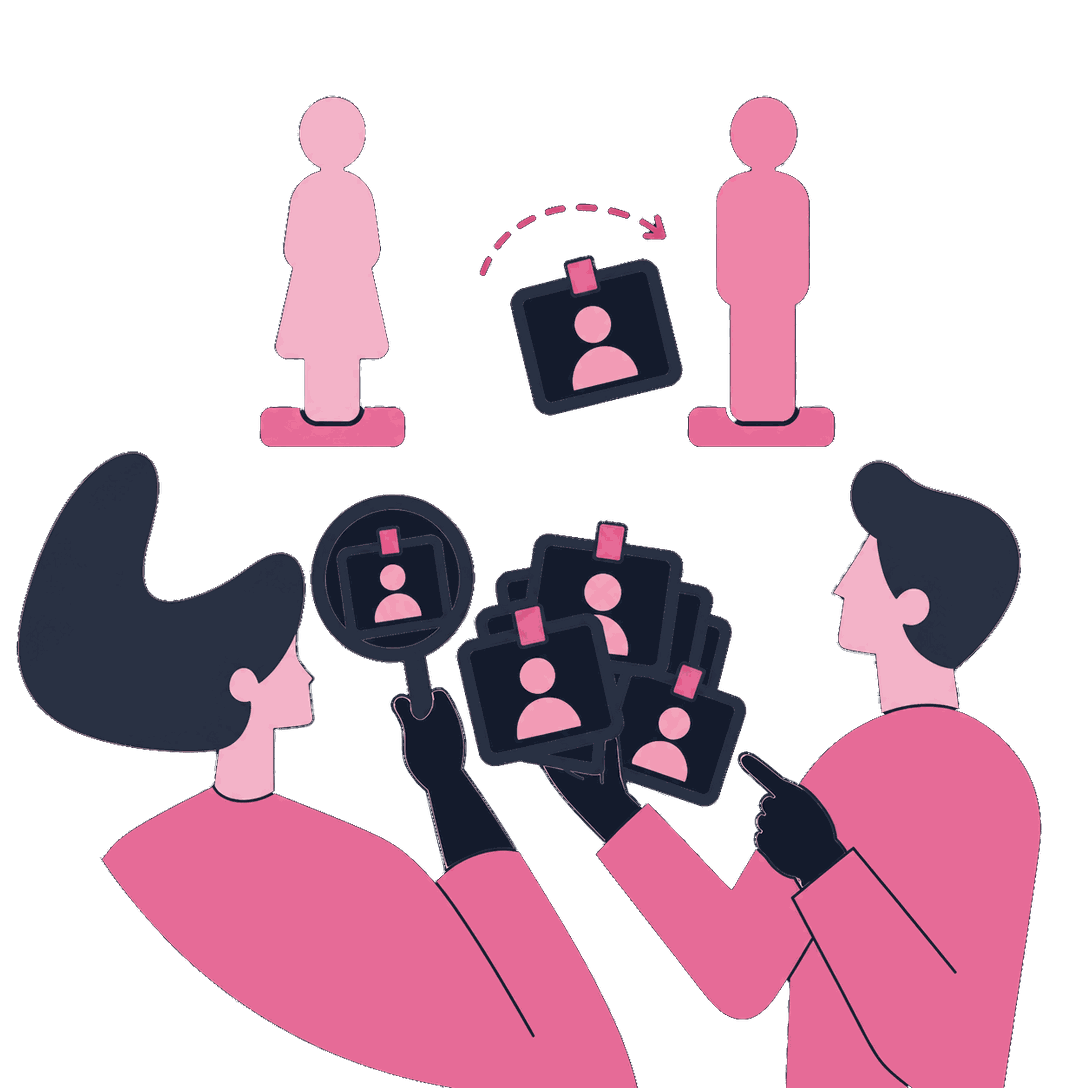
One canonical identity separates the brand from each namesake, former name and product overlap found in search and AI-answer mix-ups.
Observed search and AI-answer mix-ups provide the case list. We trace each wrong fact to the page publishing it, and a named owner reviews the proposed correction before anything changes. Each confirmed mix-up receives a corrected source record. A fixed measure then shows whether search and chat answers begin resolving to the intended entity. Brand and legal leads dealing with a namesake, former name, or acquired product that AI answers keep confusing with the current entity.

Some of the 500+ brands we've worked with
See all references


























Five steps to one identity
From observed mix-up to approved correction
The investigation moves from observed collisions to approved corrections. We assemble and compare the evidence, while named people decide which identity facts are true.
How we hold ourselves to it
- One canonical identity
- Every fact sourced
- Owner approves changes
- No guaranteed panel
Build the collision set
Observed mix-ups become a set of branded, abbreviated, category, location, and product-overlap scenarios. Brand and legal confirm which cases are genuine collisions and which are similar wording.
Collision scenario set with the intended entity, the competing entity, and a harm rating for each.

Compare identities side by side
Stable identifiers and distinguishing attributes place every collision candidate beside the intended entity for review. The accountable fact owner picks the canonical value and marks anything genuinely disputed.
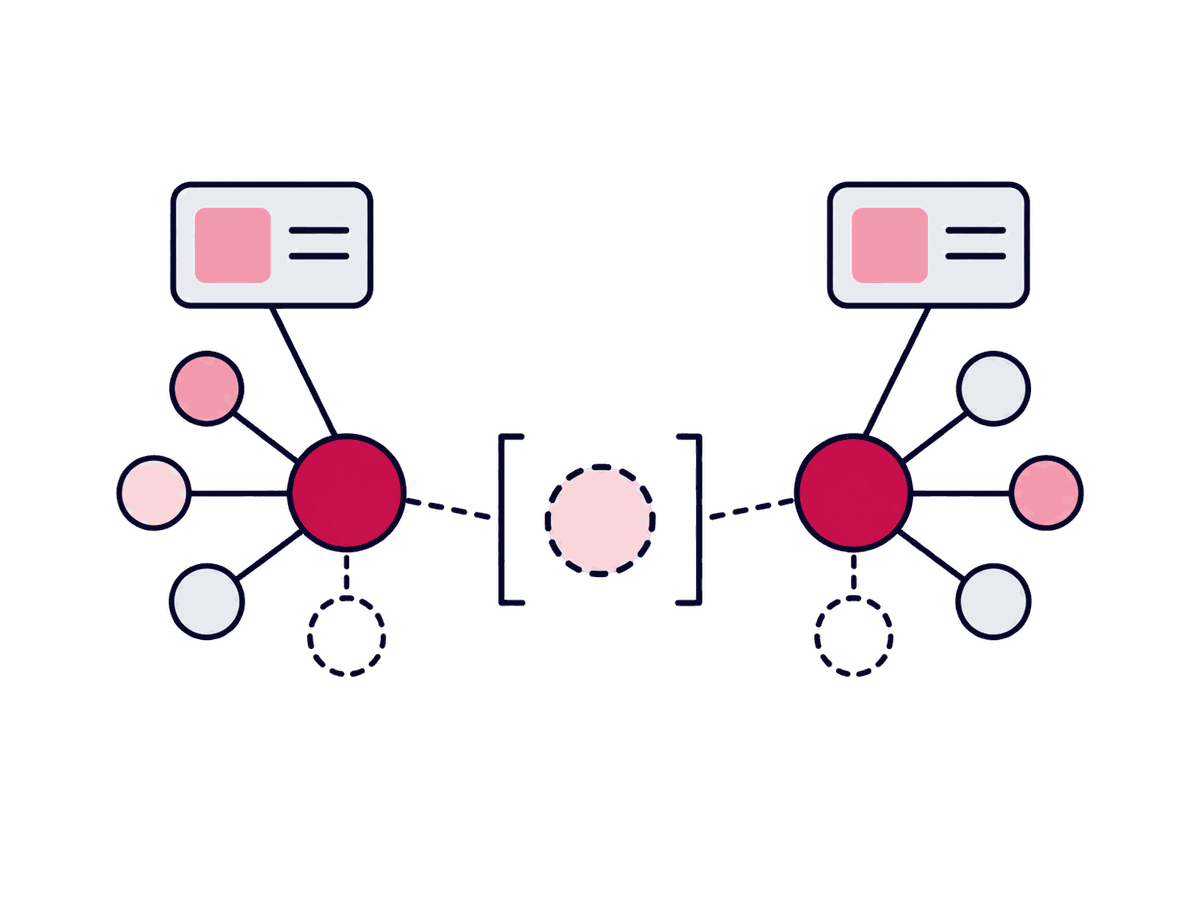
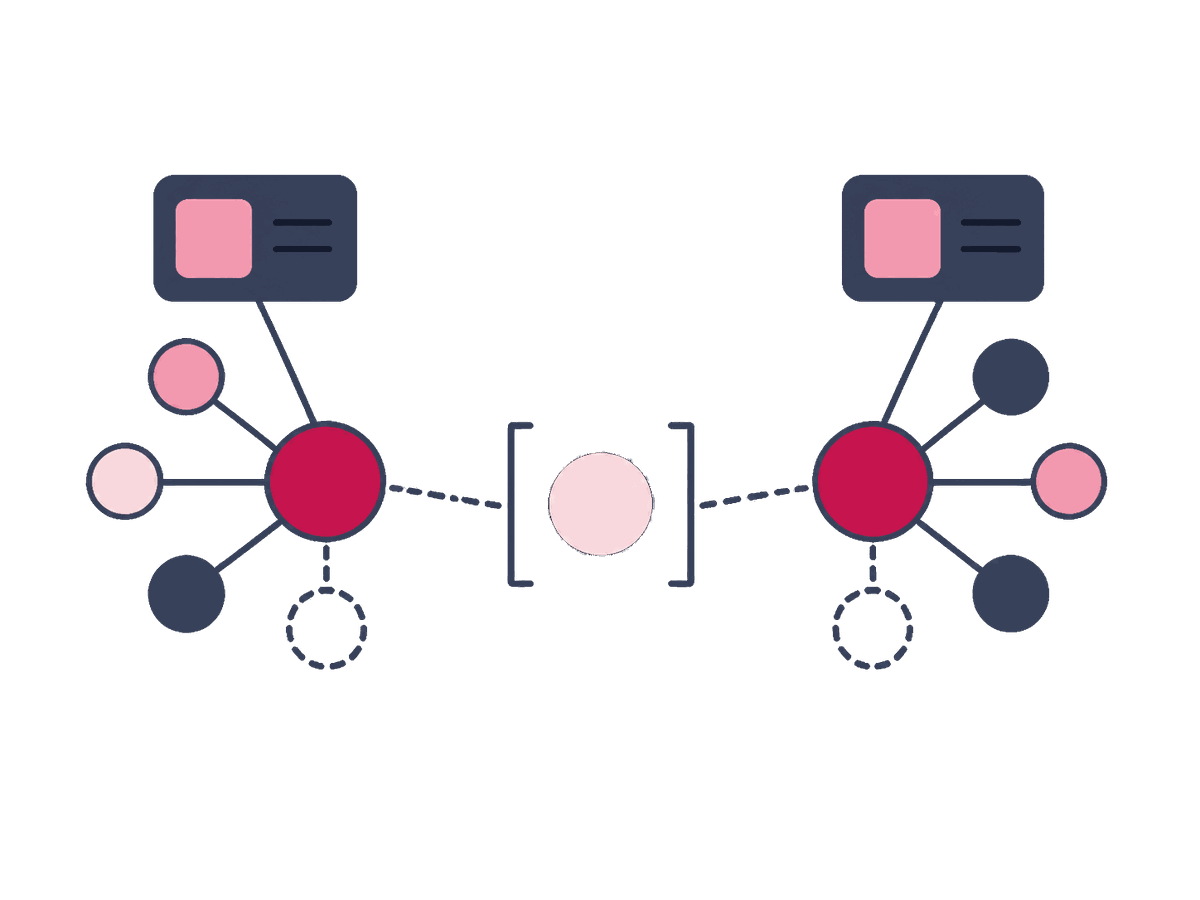
A canonical identifier register with every candidate entity's name, ID, and aliases in one table.
Trace every wrong fact to its source
An incorrect founding date, address, or leadership fact is traced to the specific directory, profile, or article publishing it. The source or domain owner confirms the contradiction and whether the surface can be changed.
A conflicting-source ledger. The exact page, its control status, and who can fix it.
Fix what you control, in the right order
User harm and the number of surfaces repeating the error determine correction priority. Ease of implementation does not. Brand, legal, and delivery owners approve the order and any escalation to an outside publisher.
A sequenced correction roadmap with rollback notes for anything sensitive.
Retest with queries nobody's seen
The retest covers the original collision set and fresh ambiguous queries the team never optimized for. A correction that only resolves known cases therefore remains incomplete. An independent reviewer applies the frozen test set and reopens anything that shifted or stayed broken.
A post-correction report showing what's resolved, what's still open, and what's new.
The register and the number
The collision register and resolution measure
The handoff combines a reusable identity register with a fixed measure of how often ambiguous queries resolve to the intended entity.
Disambiguation audit
Focused on priority contexts (the searches and answers your buyers and press encounter).
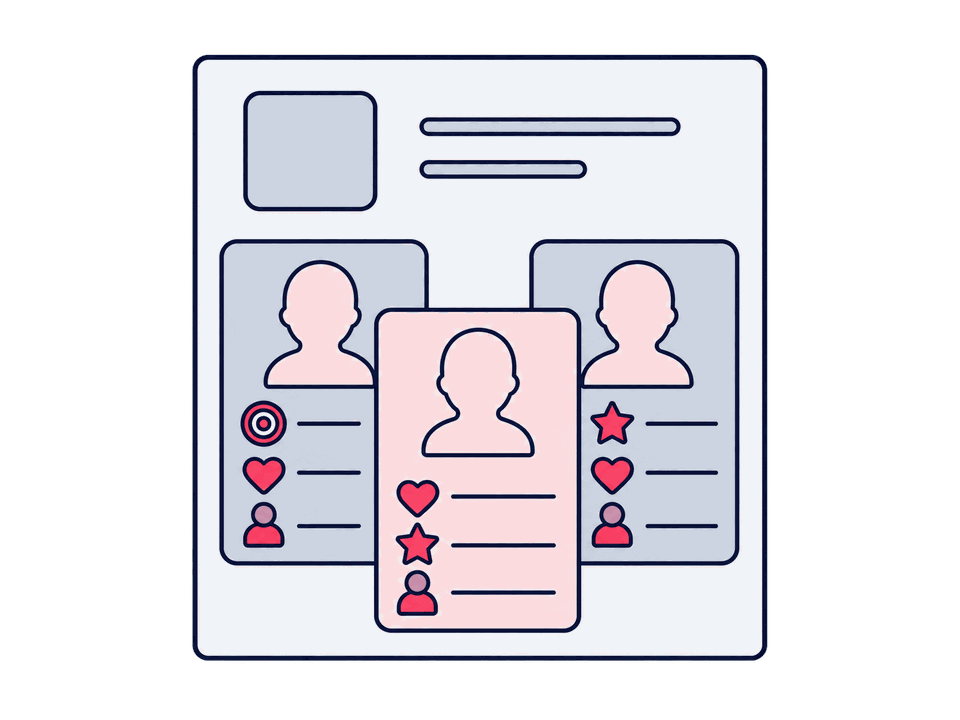
Canonical identifier register
Built to survive a rebrand or a new competitor entering with a similar name.
Owned-surface correction spec
One document content and engineering both work from, with effective dates attached.
Wrong-entity resolution rate
The scope, the exact set of queries counted, and the period we watch are all fixed before the comparison runs, so the number can't be quietly redefined afterward.
Post-correction report
What's resolved, what's still open, and what's newly broken once the corrections ship. You get a fresh one at every rebrand, acquisition, location change, or identifier update, plus a quarterly check on the highest-harm cases. Rankings, citations, and referrals stay separate, ongoing measurements. This report only tracks entity resolution.
Spotting a documented collision
A repeatable name collision has a traceable source
This method fits a repeatable mix-up where search or chat answers borrow facts from the wrong company and the source of the confusion has not yet been mapped.
A good fit when
- An unrelated business shares your name — A knowledge panel, a chat answer, or a review site cites the founding date or leadership of a different "Acme Robotics".
- A rebrand or acquisition keeps two identities live — A former name, an acquired product, or a legacy domain still resolves as the current entity.
- The team has examples but no full picture — Someone has screenshotted three wrong answers, but nobody holds the list of namesakes, aliases, and repeating sources.
- A canonical fact already exists somewhere — Legal name, former names, effective dates, and boundaries are approved, even if only in a contract or brand doc.
- Every collision scenario gets a record — Namesakes, abbreviations, former names, product overlaps, and geographic variants each name the entity they wrongly reach.
- The identifier has to be one you can maintain — A canonical URL, a stable ID, or a Wikidata item works, and we never invent one to look thorough.
- Current facts stay separate from history — A former subsidiary, a retired product line, or a departed founder keeps its own timestamped fact.
Better handled as other work when
- A knowledge panel is the only goal — The work resolves documented identity confusion, and panel inclusion stays an external decision.
- You want an unflattering mention removed — Correcting a wrong-entity mix-up never suppresses an accurate mention or claims a generic term as yours.
- The named owner controls publication — We draft the comparison and the fix, and brand, legal, or engineering signs off before a live page changes.
People who watch how AI cites a brand
GEO work starts with recording what AI answers actually say about a brand today, then moves to the parts you can influence. The consultants below work on the specific capability this page covers.

Elif Naz Akan Karakoç
Senior SEO Executive

Samet Özsüleyman
SEO Manager

Hande Parmaksız
SEO Manager

Sena Önder
Senior SEO Executive

Sinem Bakır Yavaş
Senior SEO Executive

Ruhan Tiryaki
Senior SEO Analyst

Ali Özgün Öz
SEO Executive

Bensu Tınastepe
Senior SEO Analyst

Gülşah Şahin Özkan
Senior SEO Analyst

Yağmur Bayram
Sr. SEO Analyst

Emir Kağan Kahveci
SEO Analyst

Metehan Urhan
New Business & Partnership Manager

Zafer Yıldız
Web Analytics Manager
Tools we use
Tools behind this work
 Google Knowledge Graph Search API
a quick diagnostic check on what Google's index currently shows for a name
 Wikidata
the claimable public entity record several AI systems draw from directly
 OpenRefine
clusters near-identical name values so a spelling variant is not filed as a collision
 InLinks
publishes the corrected identity as entity markup on the surfaces the brand controls
 Google Business Profile
the one outside record in this method the brand can edit directly instead of requesting
 Airtable
the collision register, one row per mix-up with its own named-owner review
Nearby methods and services
Parent capability
Entity & Knowledge Graph Optimization
See where disambiguation sits within the five-method identity and relationship program.

Natural next step
Entity Relationship Mapping
Once a name resolves to one clean entity, this is where you map its approved connections.
Downstream verification
Third-Party Entity Consistency
After a collision is fixed on owned surfaces, this checks whether outside directories and profiles caught up.
A panel is never guaranteed, a correction is
Bring us the identity mix-ups you've seen