













Model Customization & Fine-Tuning · Assurance
Model Selection & Baseline Benchmarking
Ranking comes last. Every candidate first faces the same representative tasks, safety cases, runtime conditions, and cost assumptions, and that shared footing is what makes the model comparison useful.
Once the intervention class is clear, the question becomes which model can carry it. Every candidate sees the same representative work, safety cases, latency conditions, and cost assumptions, leaving a reproducible baseline and a selection record open to review. Why this model and not the others stops being a matter of taste. The reproducible benchmark and selection record name the chosen model, rejected candidates, operating conditions, and next review trigger.


Some of the 500+ brands we've worked with
See all references















































The run order, and who signs each step off
How we work
A fair comparison starts with one charter and one evidence set. Each model's own limitations stay visible while the results are read.
Fix the terms of comparison
Before a run begins, we agree the candidates, intended tasks, critical cases, safety checks, runtime conditions, cost assumptions, exclusions, and selection authority. Your selection owner confirms the charter reflects the decision to be made.


Prepare evidence that treats candidates fairly
Representative and adverse cases sit beside baseline evidence, dependencies, and review rubrics. We check that the set has not been shaped around one candidate's strengths. Your selection owner confirms the evidence set is fair across candidates.


Compare under the agreed conditions
Our evaluation lead reproduces the runs, then specialists compare quality, safety, latency, cost, failures, and operating constraints by slice. Critical failures are read before any ranking forms. A specialist reviews every critical-slice failure before it factors into the ranking.


Record the selection and its limits
The record names the selected candidate, rejected options, exceptions, unresolved concerns, owner, and the event or date that should trigger review. Your selection owner approves the final candidate and its conditions.


Named artifacts you keep
What you get
Another reviewer should be able to follow the selection without reconstructing it from screenshots or presentation slides.
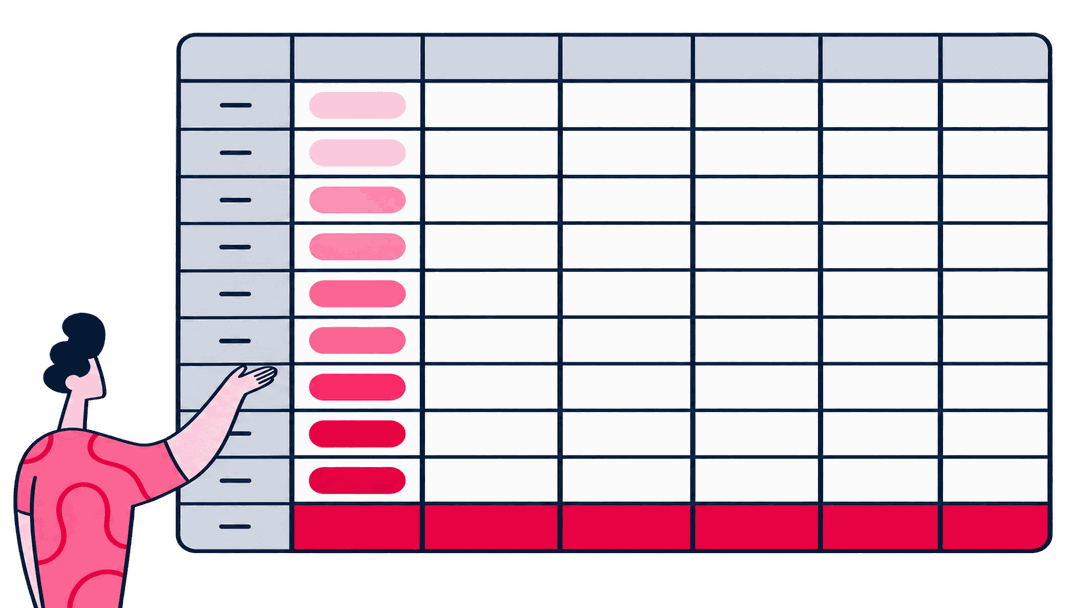
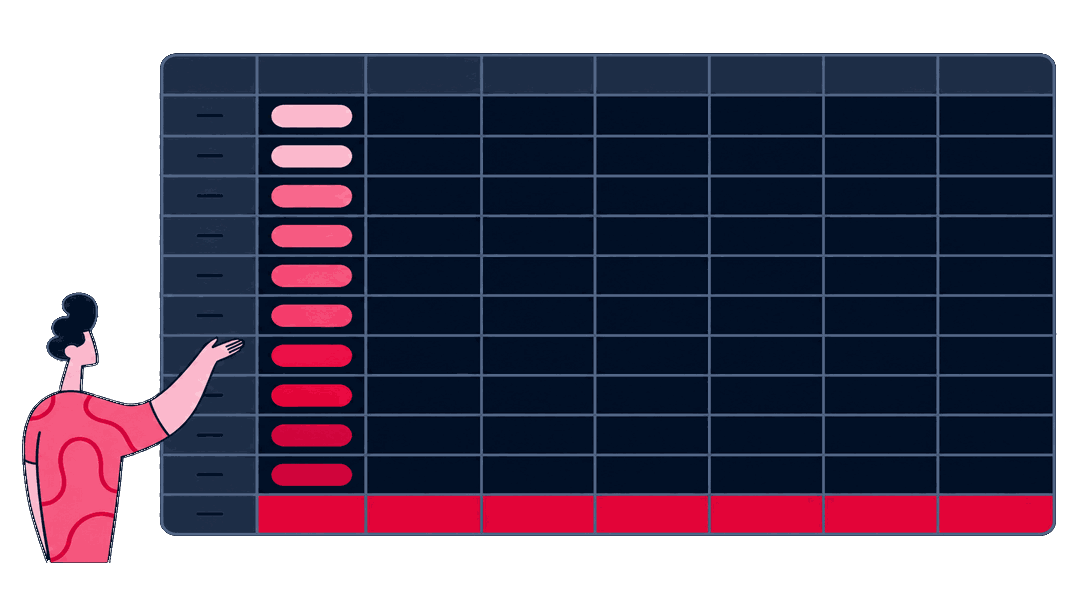
Matrix
Reproducible model benchmark and selection record
Candidate results, test conditions, comparisons, selection rationale, rejected options, conditions, and accountable owner.
Risk register
Model versions, rubrics, and evidence-gap inventory
Representative cases, baselines, rubrics, assumptions, model versions, system dependencies, and evidence gaps.
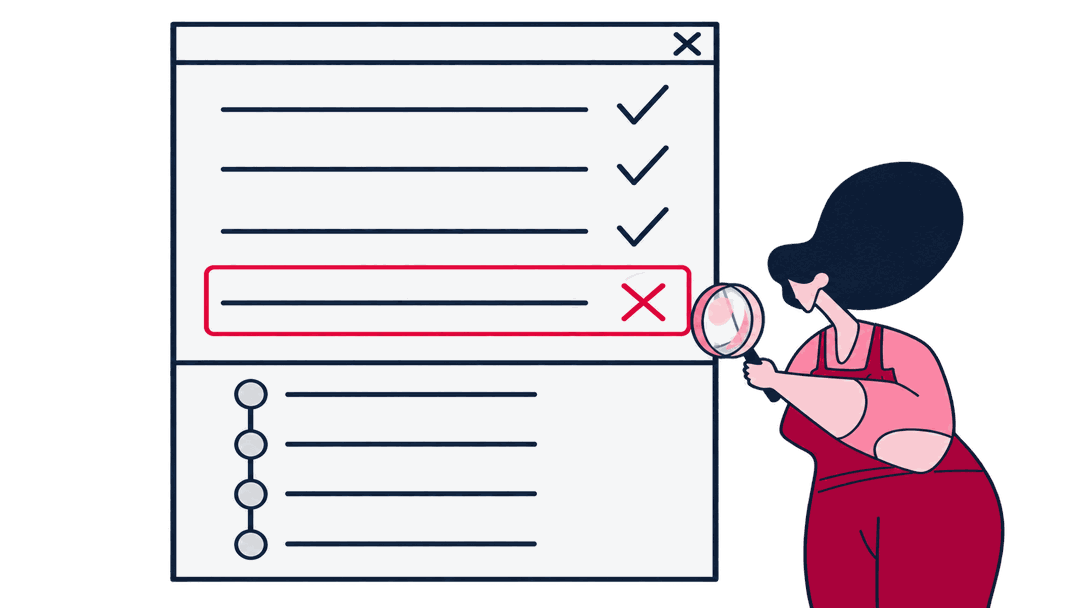
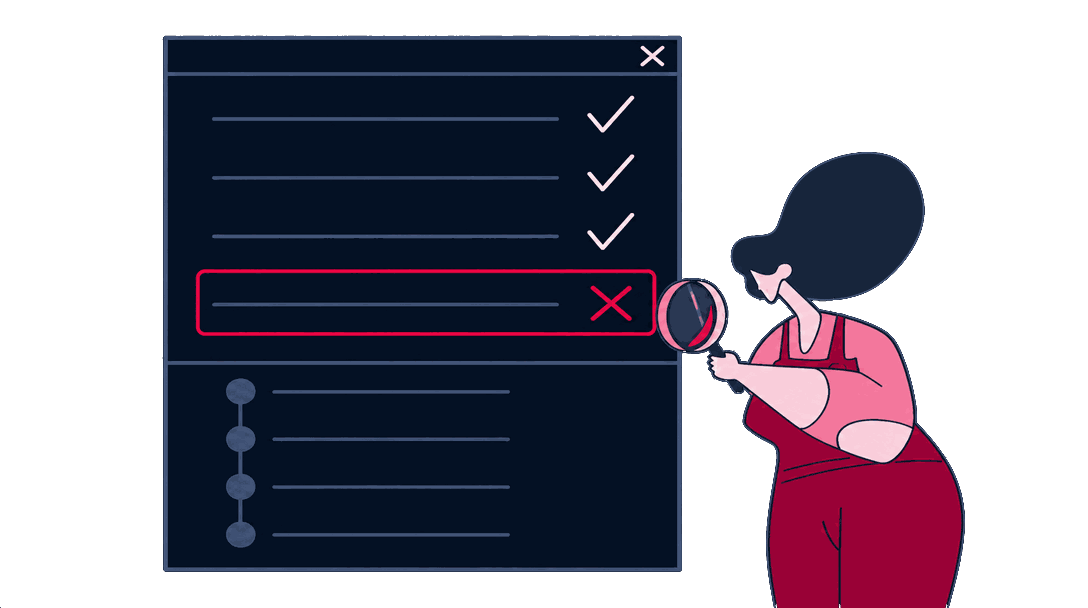
Test evidence
Quality, safety, latency, and portability scorecard
Findings for quality, safety, latency, cost, portability, and failures, separated by important tasks and exceptions.
Decision record
Selected candidate, conditions, and review-trigger log
The chosen candidate, approved conditions, residual concerns, rejected models, operational owner, and review date.
Scope and honest limits
When to bring us in
Choose this work when the intervention class is understood but the model choice still has to withstand engineering, risk, cost, and operating review.
A good fit when
- Several candidates look viable in separate demos, but nobody has run them on the same representative tasks and recorded conditions.
- One candidate leads on quality, while safety, latency, cost, or portability points the selection owner toward another model.
- The selection owner has representative cases and current baselines, yet critical exceptions still leave the final candidate undecided.
- The candidate list is agreed, but intended tasks, safety cases, and operating constraints still need one comparison charter.
- Benchmark runs can be reproduced, yet their assumptions, dependencies, evidence coverage, and failure analysis are not visible together.
- Quality favors one model, but the cost or latency result makes another candidate look stronger.
- A candidate ranks first, but the approved conditions, rejected options, residual concerns, owner, and review trigger remain unrecorded.


Better handled as other work when
- You need a universal best-model claim, while this benchmark only supports the versions, tasks, and conditions that were tested.
- Your benchmark relies on polished demonstration cases, so its result cannot represent the intended users, tasks, or critical exceptions.
- You need procurement, production integration, or release approval, because those decisions sit outside the comparison charter.
If one of these is closer to your situation, start here instead: Explore model customization
Engineers who ship production AI
This is the part of Zeo that writes and ships code. Our senior engineers build agents, chatbots, and RAG pipelines, along with the automation and data work around them, and they keep operating those systems once they're live. We've worked with more than 500 brands since 2011.







Tools we use
Tools behind this work
 OpenRouter
one access point to test candidates across multiple providers in one run
 Together AI
hosts open-weight candidates under the same latency conditions as closed APIs
 Braintrust
runs every candidate model through the identical tasks and rubrics
 Helicone
measures each candidate's real latency and cost under the benchmark run
 Ragas
Ragasscores retrieval-grounded answer quality the same way across every candidate
 Arize Phoenix
visualizes where candidates diverge, surfacing the tradeoff the page promises
Adjacent work
Where this leads


Build
Fine-Tuning Dataset Curation
Benchmark failures across specific task dimensions pinpoint exact domain gaps that dataset curation must address with targeted training examples.


Build
LLM Fine-Tuning & Model Customization
Baseline evaluation metrics provide the performance hurdle that fine-tuned model candidates must exceed to justify production deployment.


Build
Domain Adaptation
Comparative evaluation across candidate models reveals which foundational architectures adapt most effectively to domain terminology.
Next step
Put the candidates through the same test
Before you decide