







Content Optimization & Operations
SEO Content Optimization
Fix the diagnosed problem on a live page while preserving what already works.
SEO Content Optimization diagnoses why one live page is underperforming, then changes the intent alignment, evidence, structure, or conversion path responsible. The parts already doing their job stay intact. You walk away with the diagnosed weakness fixed on a live page, the parts that were already working left alone, and a baseline to judge the change against.


Some of the 500+ brands we've worked with
See all references































How we run it
How we fix a page instead of rewriting it
We diagnose the problem, set a boundary for the change, revise only the affected sections, review the claims, and establish a measurement baseline.
Find the actual gap
We read the page against current search results for its intent, then check its own analytics, including rankings, clicks, on-page behavior, and internal link traffic. The diagnosis comes out of what's actually happening. A strategist checks the diagnosis against the page's own track record before treating it as settled.
A written diagnosis naming the specific problem: intent mismatch, thin evidence, weak structure, missing entities, or a broken path to conversion.


Draw the line
We lock what's in scope and what stays untouched, note any neighboring URL this page shouldn't start competing with, and set the window we'll judge the result against. The page owner signs off on the scope and cannibalization boundary before any rewriting starts.
A scoped change brief with a cannibalization boundary and an observation window.
Rewrite only the weak parts
The writer and editor rebuild the sections tied to the diagnosis, like copy, headings, entities, and internal links, and leave the parts of the page that are already doing their job. An editor confirms the reason attached to every material change before the draft goes to review.
An annotated before-and-after draft, with a reason attached to every material change.

Check it against history
The page owner and subject expert confirm new claims, and the editor checks the change against the page's own track record so we're not undoing something that used to work. The page owner and subject expert approve every new claim before the change is scheduled to ship.
An approved change set with resolved comments and a clear release decision.
Ship and watch
We publish the change, set a measurement baseline tied to the diagnosis, and note what would tell us to iterate again versus leave the page alone. A strategist owns the call on whether the post-launch signals warrant another pass.
A live page update, a baseline, and a next-review trigger.
Comparing pages, then diagnosing this one
Collecting current result pages and marking coverage gaps is quick work for agents. Diagnosing this page is not. A historical ranking drop may come from the page, competition, or another change entirely, and a claim needs business context before anyone can say it still holds. The strategist makes the diagnosis from the page's own history, the editor revises the affected sections, and the page owner approves publication.
What you get
The rewrite, with its reasoning
You receive the targeted revision together with the diagnosis, change log, measurement baseline, and cannibalization check that explain it.
Diagnosis brief
What's wrong with the page, backed by search-result comparison and its own analytics, plus what's staying untouched.
Annotated page rewrite
The before-and-after, with a reason next to every change so reviewers aren't guessing why something moved.
Measurement baseline
The specific signals we'll watch after launch, and what result would tell us to touch the page again.
Cannibalization check
Confirmation the change doesn't quietly start competing with a neighboring page for the same search intent.
We call it done when: the page owner has reviewed the change against what the page used to do well, and it's live with a baseline to check it against.
Who it fits
Right for a page that's live and stuck
We make a targeted change to one live URL. A rewrite from scratch and a portfolio-wide audit are different jobs.
A good fit when
- One live page is ranking, but its intent alignment, evidence, structure, or conversion path leaves it underperforming the job it already has.
- You have enough ranking, click, link, and edit history to diagnose a specific gap, so the change can be measured against a real baseline.
- Some sections already do their job, and you want the rewrite confined to the weak parts so those gains stay intact.


Better handled as other work when
- The URL has not been published yet, so SEO Blog Writing or Long-Form Content must create the page before optimization can diagnose it.
- The page answers the wrong search intent, but the proposed fix is adding keywords without changing the argument, evidence, or path to conversion.
- Nobody can approve new claims before publication, so the page needs an editorial review owner before any optimized copy can ship.
People who write and ship this content
Some of these consultants write the pages themselves. Others plan distribution or check how a piece performs once it's live, so the team below covers more than one stage of the work.

Can Mutioğlu
Senior SEO Executive

Samet Özsüleyman
SEO Manager

Ozan Ketenci
VP of Consulting & Strategy
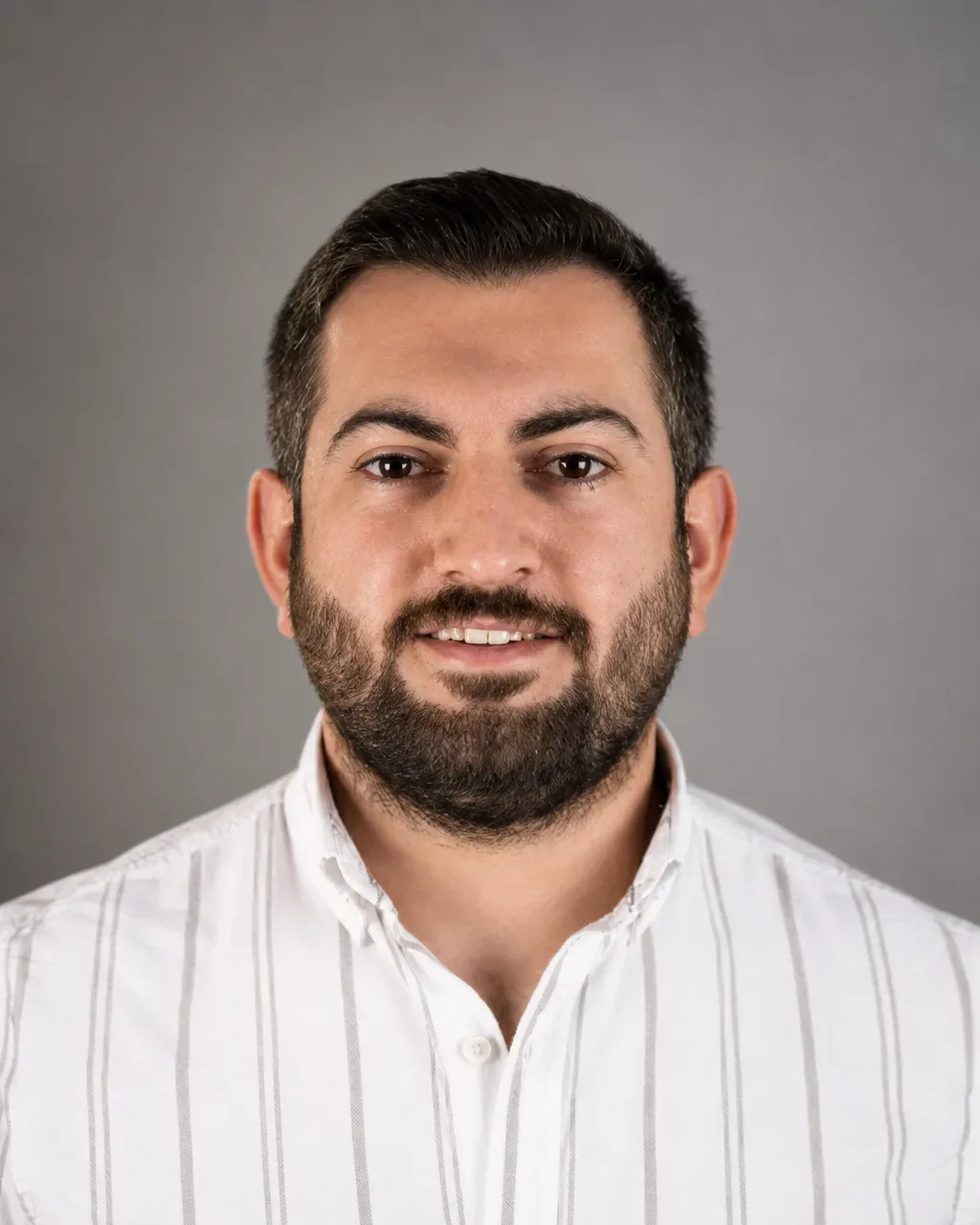
Metehan Urhan
New Business & Partnership Manager

Sinem Bakır Yavaş
Senior SEO Executive

Hande Parmaksız
SEO Manager

Yağmur Bayram
Sr. SEO Analyst

Sena Önder
Senior SEO Executive

Bensu Tınastepe
Senior SEO Analyst

Gülşah Şahin Özkan
Senior SEO Analyst

Ali Özgün Öz
SEO Executive

Ruhan Tiryaki
Senior SEO Analyst

Zafer Yıldız
Web Analytics Manager
Content we've produced on this topic
Tools we use
Tools behind this work
 Semrush
finds the exact terms a stuck page is missing against what outranks it
 Ahrefs
the rank history a proposed edit gets checked against before it ships
 Surfer SEO
a live score on the existing page, not a brief for a new one
 Google Search Console
the exact-URL watch after ship, for the change this optimization targeted
Where this leads next
Methods connected to SEO Content Optimization
Upstream
Interactive Content Creation
If the underperforming page is actually built around an interactive tool, get that logic sorted first. Optimizing static copy around a broken tool won't fix the real problem.


Downstream
Content Refreshes
Once the page is fixed, refreshes are what handle the next round of updates when facts or competition shift again down the line.

Complementary
Content Localization
A page already fixed and proven in one market makes a stronger starting point for localization than translating one that was never optimized first.
Start the work
Have a live page that is underperforming?


Before we start