









Multimedia Content Creation
Video Script Writing
Write a shootable script that sounds natural aloud and fits the required runtime.
Video Script Writing develops the narration, pacing, and visual direction before filming begins. The approved script is tested aloud, timed for the platform, and clear about which statements are evidence and which are opinion, giving production a plan it can follow on set. You walk away with a timed two-column script that has been read aloud, every claim sourced, and a production check that it is genuinely shootable.
Some of the 500+ brands we've worked with
See all references






























How we run it
How we get from idea to a shootable script
We define the message and beat structure, write narration beside visual direction, then test the full script aloud and against its sources.
Lock the single message and the runtime
Before writing a line, we agree on the one thing the video needs to say and exactly how long it has to say it. The beat sheet stays blank until the client stakeholder has agreed the central message and runtime.
A one-line message and a target runtime.
Map the beats before the dialogue
We map what happens, in what order, and what appears on screen at each beat. The exact wording comes after the structure is sound. A writer confirms the beat sheet holds up structurally before any dialogue gets written.
A beat sheet with visual notes attached.

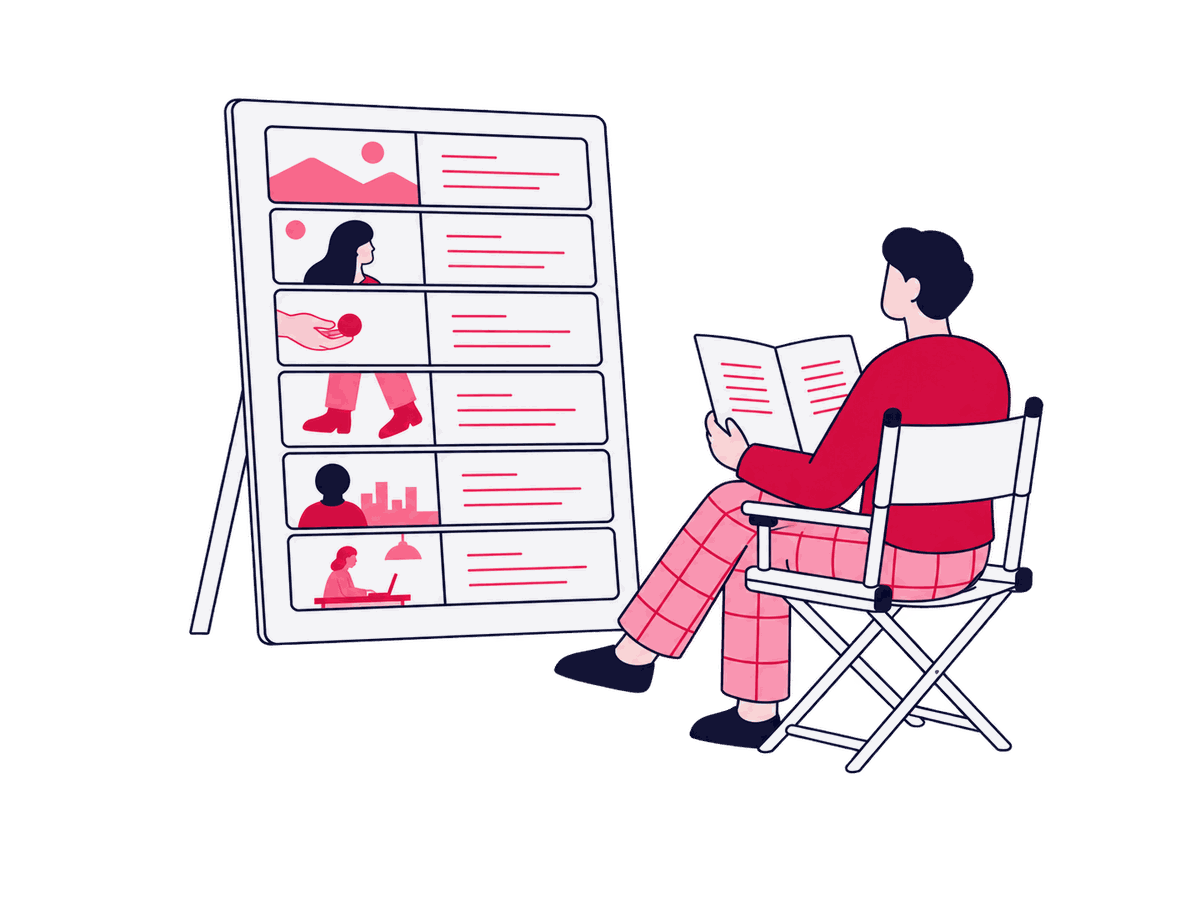
Write the two-column draft and read it aloud
Narration goes on one side, visual direction on the other, and every draft gets table-read out loud before it's called final. A writer reads every draft aloud and revises whatever doesn't survive being spoken, before calling it done.
A timed two-column script with narration and visual direction.
Revise for truth, pacing, and captions
We check every claim against its source, trim anything that doesn't survive being said out loud, and make sure the captions will carry the same meaning. A named reviewer checks every claim against its source before the script goes to production.
An approved final script with source notes and caption-ready text.
The line has to work in the speaker’s mouth
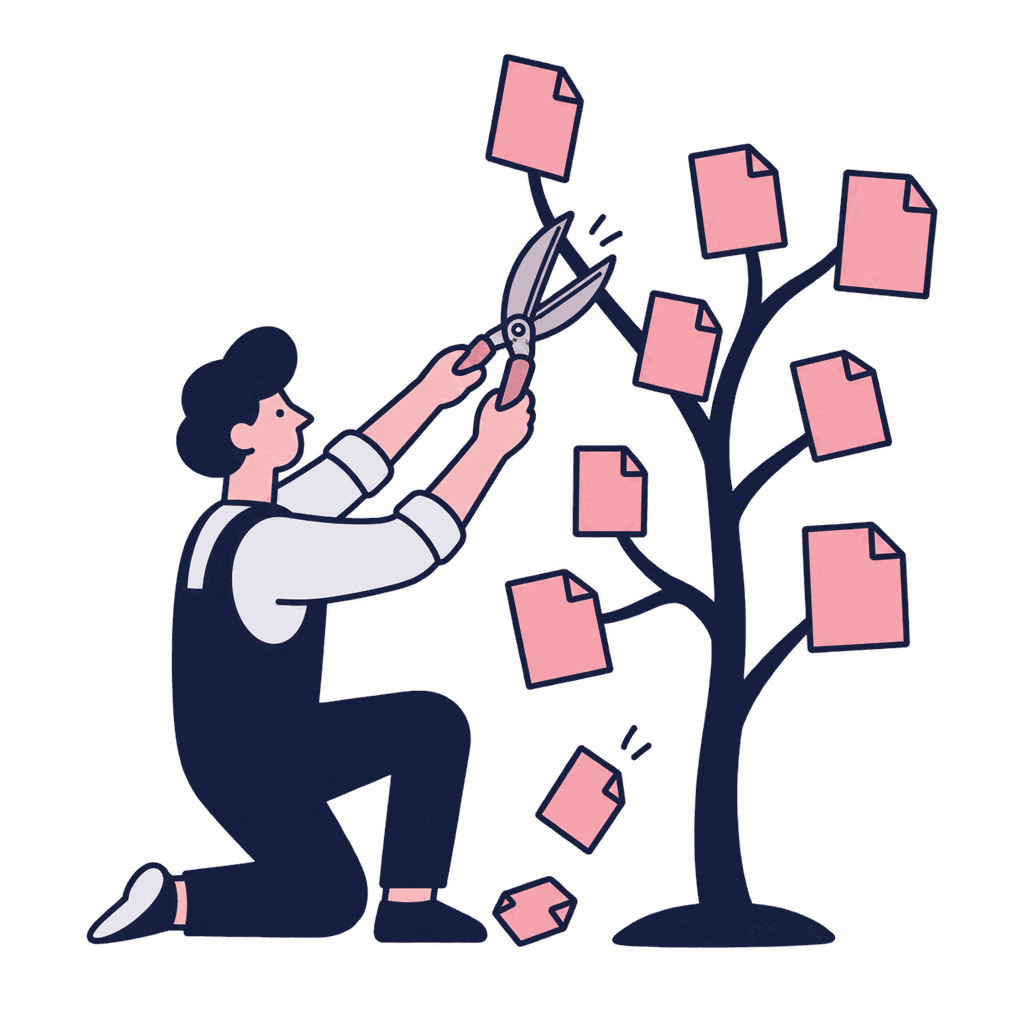
AI can give the writer a quick set of alternate lines or a rough beat sheet to react to. We still learn whether the script works by hearing it. The table read exposes breathless sentences, jokes that lose their timing, and claims that sound firmer aloud than the evidence allows. The writer revises from that reading, while a named reviewer checks the factual claims before production sees the script.
What you get
What production receives
You receive an approved two-column script, a source ledger, and caption-ready narration that production can use without guessing at the intent.


The timed two-column script
Narration and visual direction side by side, timed to the runtime the platform needs.
Source notes for every claim
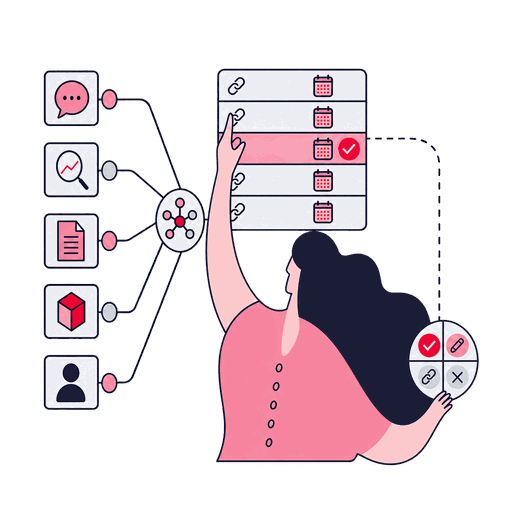
Where each fact or number in the script comes from, so production and legal aren't guessing later.
Caption-ready text
The narration formatted so captions can be generated and timed accurately in post.
We call it done when: the script has been read aloud and timed correctly, every claim is sourced, and someone with production experience has confirmed it's actually shootable.
Who it fits
Settle the words before the camera rolls
This method covers writing and approving the script before filming. If the script already exists and only production remains, use Video Content Creation.
A good fit when
- Filming is approaching, but the current wording turns stiff or breathless in a table read and needs a script the speaker can deliver.
- The video needs a precise runtime and pacing suited to a specific platform, both built into the writing before editing.


Better handled as other work when
- You already have an approved script and need production. Video Content Creation owns that work.
- A table read shows that lines are awkward or overlong, but nobody is willing to revise them before the camera rolls.
- The plan asks a synthetic voice or likeness to stand in for a real person without consent, so the script cannot responsibly move to production.
People who write and ship this content
Some of these consultants write the pages themselves. Others plan distribution or check how a piece performs once it's live, so the team below covers more than one stage of the work.

Samet Özsüleyman
SEO Manager

Metehan Urhan
New Business & Partnership Manager

Hande Parmaksız
SEO Manager

Sena Önder
Senior SEO Executive

Sinem Bakır Yavaş
Senior SEO Executive

Ruhan Tiryaki
Senior SEO Analyst

Deniz İmre Temiztürk
Content Specialist
Yağmur Bayram
Sr. SEO Analyst

Bensu Tınastepe
Senior SEO Analyst

Gülşah Şahin Özkan
Senior SEO Analyst

Ali Özgün Öz
SEO Executive

Emir Kağan Kahveci
SEO Analyst

Can Mutioğlu
Senior SEO Executive
Tools we use
Tools behind this work
 Celtx
Celtxholds the shootable draft in the format a crew and client actually read
 Notion
the beat sequence, locked before a single line of dialogue exists
 ElevenLabs
an early spoken pass that surfaces awkward lines before the real table read
Where this leads next
Methods connected to Video Script Writing


Upstream
Video Content Creation
Once the script's approved, this is where it gets filmed and finished.


Downstream
Infographic & Data Storytelling
If the same underlying facts also deserve a visual explainer, that's a separate but related asset.


Complementary
Content Audits
An audit can surface whether an old script is worth revising instead of starting from a blank page.
Start the work
Does the idea still need words the speaker can use on set?


Before we start