









Multimedia Content Creation
Video Content Creation
Produce one approved video that works across the viewing contexts your channels require.
Video Content Creation turns an approved concept or script into a filmed, edited, captioned video that works both muted in a feed and at full volume on a larger screen. Writing the script from scratch is an earlier, separate method. You walk away with an accurate, captioned video approved by whoever owns the claims in it, exported in every size your channels need, with the project files handed over.


Some of the 500+ brands we've worked with
See all references

























How we run it
How the concept becomes a finished video
Each stage is approved before the next begins, preventing unresolved questions and missing release forms from surfacing after the shoot.
Confirm the concept and shot list
Before filming, we confirm what will be shot, in what order, and why, so the production plan is clear on set. Filming waits until the producer has approved the shot list and confirmed every required release.
A locked shot list and production plan.
Capture the footage
Filming happens against the plan, with brand assets and any required releases confirmed before anyone rolls camera. A producer checks the footage against the plan on set, so gaps get caught before the crew wraps.
Raw footage, organized and logged.

Edit the story together
Pacing, cuts, and music get built around the narration. An editor and the claim owner review the rough cut together before pacing decisions get locked.
A rough cut for review.


Build in captions and accessible audio
Captions get written and timed properly, and anything spoken quickly gets a second look for whether it's understandable on a first watch. A reviewer checks the captions against the actual audio before the cut is called near-final.
A near-final cut with captions in place.


Finish and export every version you need
The final approved master gets adapted into the crops and lengths your channels use, without losing the story in translation. The page or campaign owner approves the final master before any channel exports go out.
The finished master plus channel-specific exports.


Editing help stops at representation and truth
During editing, AI tools can clean up audio, prepare a first caption-timing pass, and compare pacing options. The approved script and recorded performance remain the source of truth. We won't generate a real person's likeness or voice saying words they didn't say without written consent, or polish an unsupported claim into something more confident. A named reviewer checks the final footage against the script before approving the cut.
What you get
What you receive
You receive the approved master, accessible captions and transcript, channel-specific versions, and organized source files for future reuse.


The finished master video
The final approved cut, edited, color-corrected, and mixed.
Captions and an accessible transcript
Timed captions plus a plain transcript, so the video works with sound off or for someone who needs the text.

Channel-specific exports
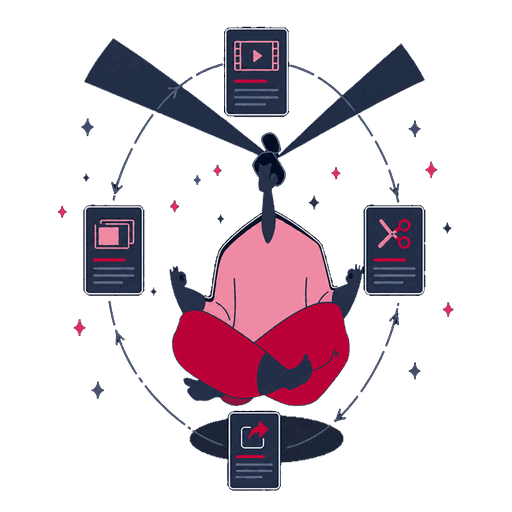
Square, vertical, and long-form versions derived from one approved master so the story stays consistent.
Raw footage and project files
The underlying material, organized, so future edits or reuse don't start from zero.
We call it done when: the video is factually accurate, captioned properly, approved by whoever owns the claims in it, and exported in every size your channels need.
Who it fits
Production starts with an approved concept
This method starts with an approved concept or script. If the script still needs to be written, Video Script Writing should happen first.
A good fit when
- An approved script or concept is ready, but it still needs a shot list, filming, editing, captions, and a final master.
- One edit has to hold up in silent autoplay, at full screen, and inside a presentation, so each of those contexts needs its own export.
- Footage, sound, captions, and graphics need to feel like the same brand, while the project files must remain usable for later edits.


Better handled as other work when
- No concept or script has been approved, so Video Script Writing must settle the message, runtime, and visual direction before filming.
- The brief asks for a quick stock-footage montage with a voiceover, while this method is built around an approved concept and planned footage.
- You need a synthetic version of someone's likeness without their consent. We will not create one.
- The edit is expected to lock before the claim owner checks the narration, which leaves polished footage carrying facts nobody approved.
People who write and ship this content
Some of these consultants write the pages themselves. Others plan distribution or check how a piece performs once it's live, so the team below covers more than one stage of the work.

Didem Himmetli
Marketing Executive

Metehan Urhan
New Business & Partnership Manager

Hande Parmaksız
SEO Manager

Sinem Bakır Yavaş
Senior SEO Executive

Sena Önder
Senior SEO Executive

Ruhan Tiryaki
Senior SEO Analyst

Deniz İmre Temiztürk
Content Specialist
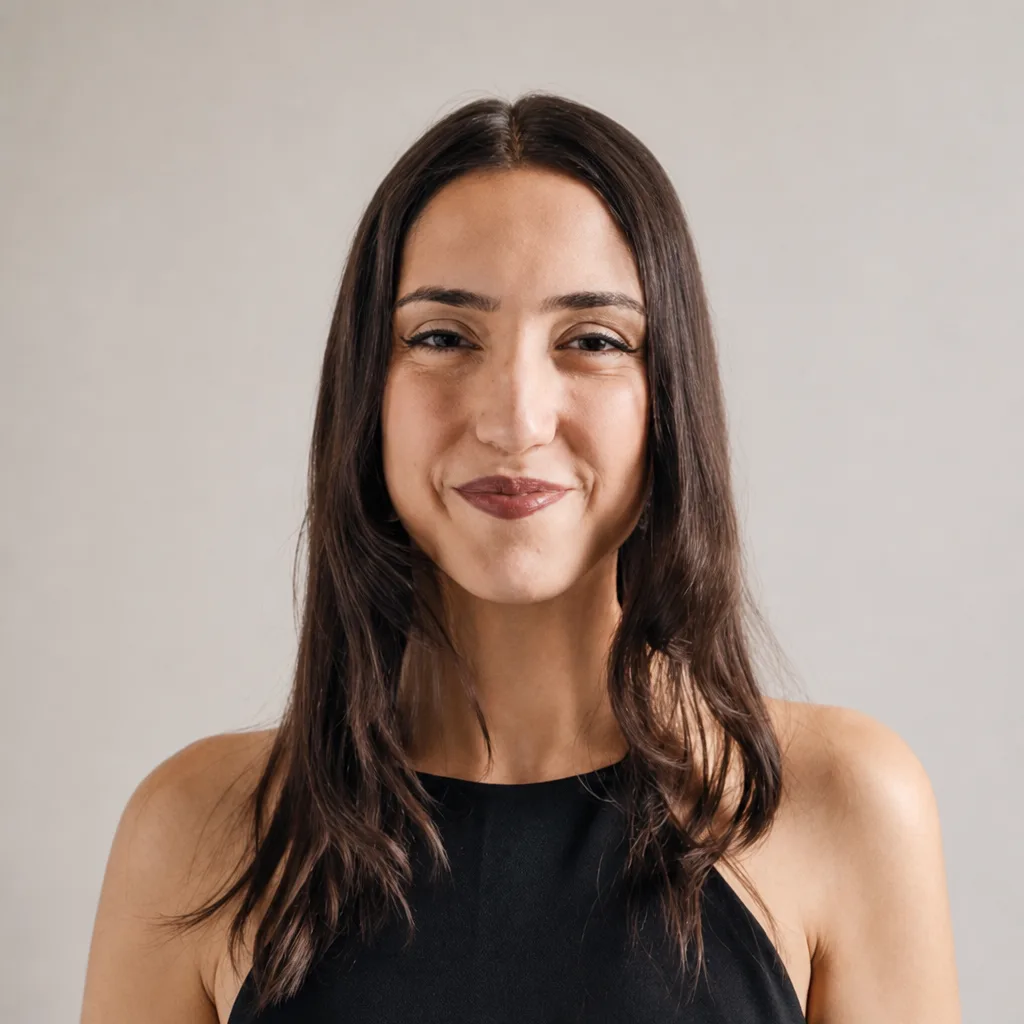
Yağmur Bayram
Sr. SEO Analyst

Bensu Tınastepe
Senior SEO Analyst

Gülşah Şahin Özkan
Senior SEO Analyst

Ali Özgün Öz
SEO Executive

Emir Kağan Kahveci
SEO Analyst

Mehmet Aktuğ
Co-Founder & COO
Content we've produced on this topic
Tools we use
Tools behind this work
 StudioBinder
turns the approved concept into a shot list and shooting schedule a crew actually follows
 DaVinci Resolve
cuts the story together and finishes the color and audio in one application
 Frame.io
collects frame-accurate feedback on the cut before anything gets finished
 Rev
Revproduces the accurate captions the video needs to work without sound
Where this leads next
Methods connected to Video Content Creation
Upstream
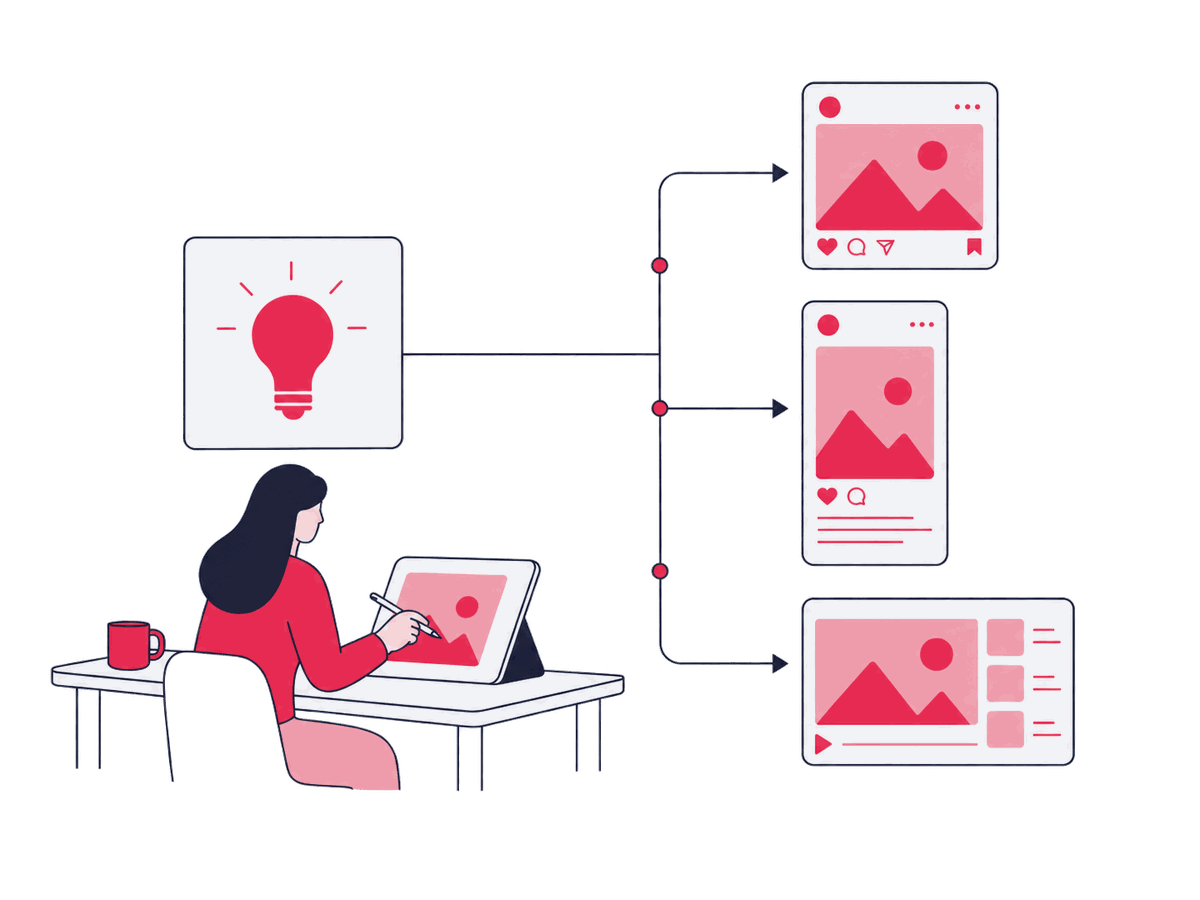
Social Media Content Creation
Often the concept that becomes a video started as a social idea worth expanding.
Downstream
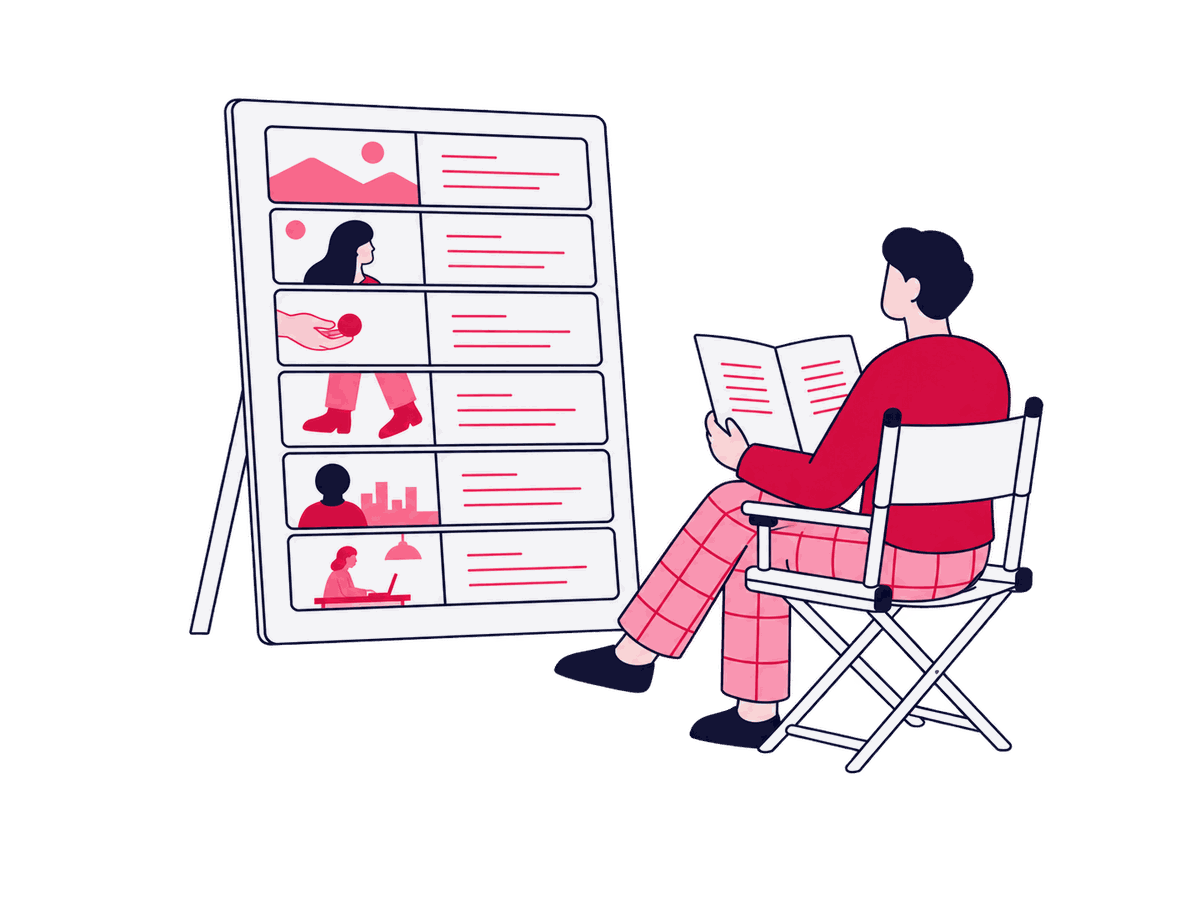
Video Script Writing
Use this earlier method when the spoken words and visual direction still need to be written.


Complementary
Content Audits
Check this before reshooting because an older video may need a new edit rather than a full remake.
Start the work
Is the concept approved and ready for a production plan?


Before we start