









Zeo delivery method
Quality Control & Index Management
Every public cohort carries a current reason to exist, every weak one carries an owner and a next action, and an index-status label is treated as an observation rather than a diagnosis.
A large page set needs active governance, not a one-time cleanup, source data ages, templates drift, duplicate clusters expand, and an index-status label can hide a discovery or canonicalization problem underneath it. We reconcile what's actually public against what should be, score quality with reasons anyone can inspect, and make an explicit improve, hold, consolidate, retire, or restore call for every cohort before it keeps eating crawl budget. Useful cohorts stay indexable. Weak ones get retired before they eat crawl budget and visitor patience.


Some of the 500+ brands we've worked with
See all references








































Stages and gates
How we do it
First we test whether the pages, the platform, and the search evidence even describe the same public state. Assuming the search engine rejected the pages skips that.
Reconcile what is actually public
We join source records, eligibility results, generated versions, release manifests, routes, sitemaps, and rendered output into stable cohorts. Each exposed gap, a page live without eligibility or an approved page missing from the site, gets an owner before anything else happens.
A public-state register that exposes pages published without eligibility, approved pages missing from the site, stale records, and ownerless exceptions.


Score quality with inspectable reasons
We check source completeness, distinct utility, similarity, freshness, language, accessibility, links, schema, rendering, policy, and ownership at record level. Our content lead reads the scorecard and separates genuine quality problems from artifacts of the check itself. Nothing moves to action before that.
A cohort scorecard where every pass, hold, failure, and exception can be traced back to the record and rule that produced it.


Separate platform facts from search observations
We compare discovery, sitemap, status, rendering, canonical, robots, crawl, duplicate, index, exclusion, removal, and timing evidence for the same cohort. A person decides what the combined evidence actually means for that cohort before any action gets scheduled.
An index-state matrix that stops "not indexed" from becoming a diagnosis by itself.


Choose improve, hold, consolidate, retire, or restore
We combine page utility, rule failures, source freshness, intended demand, user outcomes, and index state into an exact cohort decision. Improve, hold, consolidate, retire, or restore is a person's call, and they sign the release path and rollback condition attached to it.
A prioritized backlog with the affected URLs, reason, owner, acceptance check, release path, and rollback condition.


Watch the cohort after the change
We release one attributable change at a time and read the same quality, route, crawl, index, and user signals afterward. Our technical lead says whether the movement confirms the change worked, and whether a recurring failure has earned a rule update instead of another patch.
A keep, expand, repair, restore, or stop decision, and a rule update when the same problem returns.


AI reconciles and scores the cohorts; people interpret the evidence and sign the lifecycle call.
AI joins source records, release manifests, routes, sitemaps, and rendered output into cohorts at a scale nobody would reconcile row by row, runs the record-level completeness, similarity, freshness, accessibility, and schema checks with the failing rule attached to each result, assembles the discovery, canonical, robots, crawl, duplication, and timing matrix for a cohort in one pass, drafts the prioritized backlog entry with affected URLs and a suggested acceptance check, and keeps monitoring the same signals after release. The lifecycle call is a person's. We do not treat a larger indexed count as a win when the added pages are thin, duplicate, stale, unsafe, or unowned, we do not bulk-remove a cohort because one aggregate score went red, and we will not claim one change caused a traffic movement when releases, seasonality, campaigns, and reporting latency overlap.
Deliverables and acceptance
What you get
The outputs make the estate governable without hiding URL-level truth inside one score.
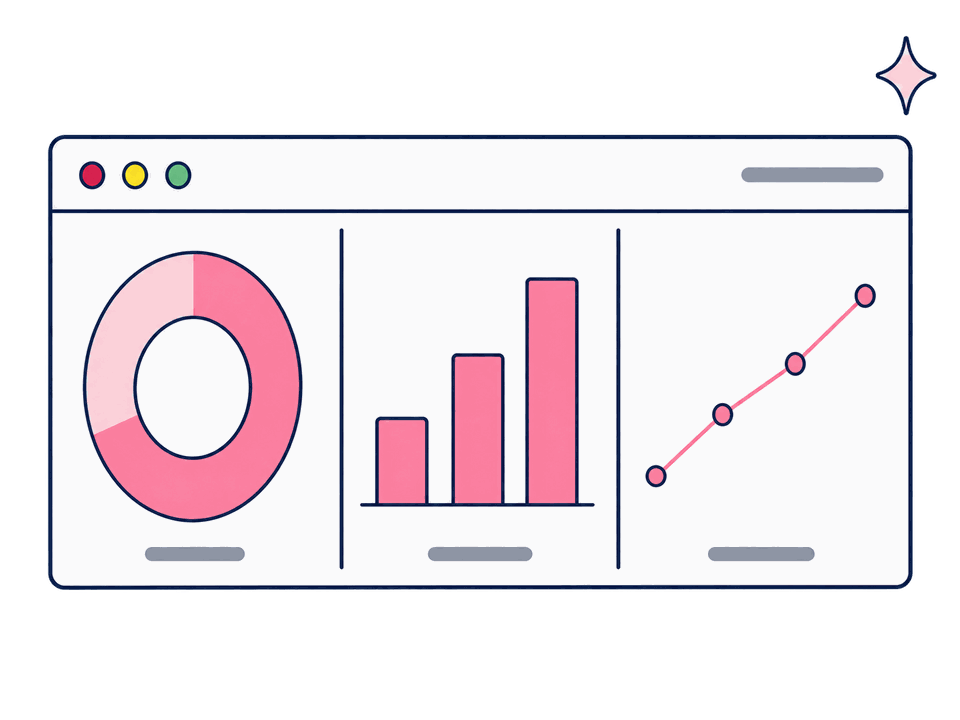
Dashboard
Cohort quality scorecard
Policy document
Index eligibility policy
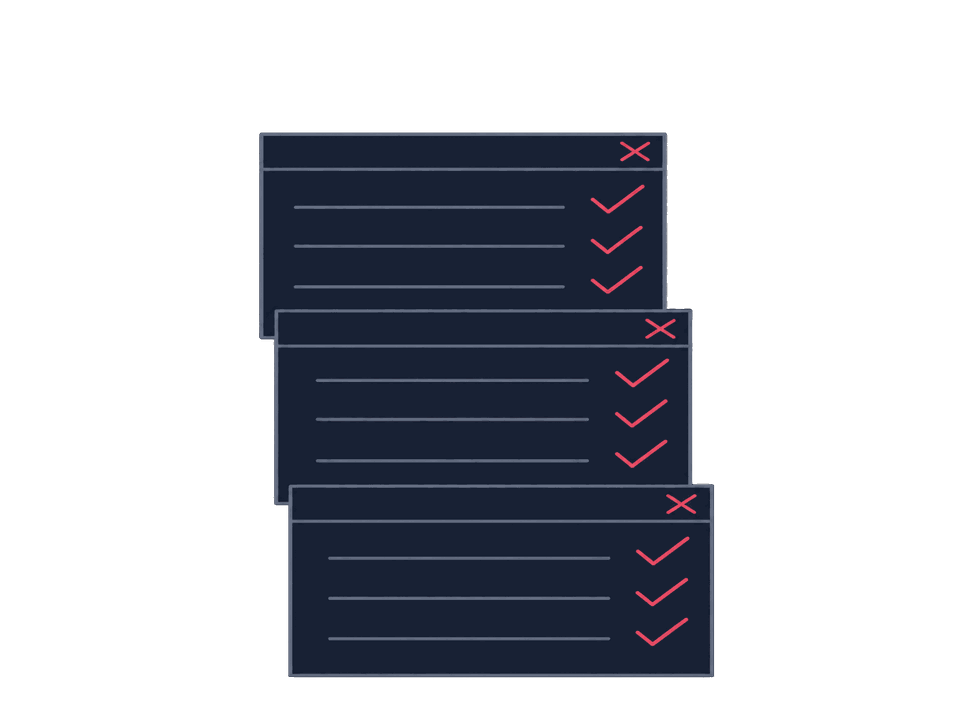
Prioritized backlog
Improve / hold / retire backlog
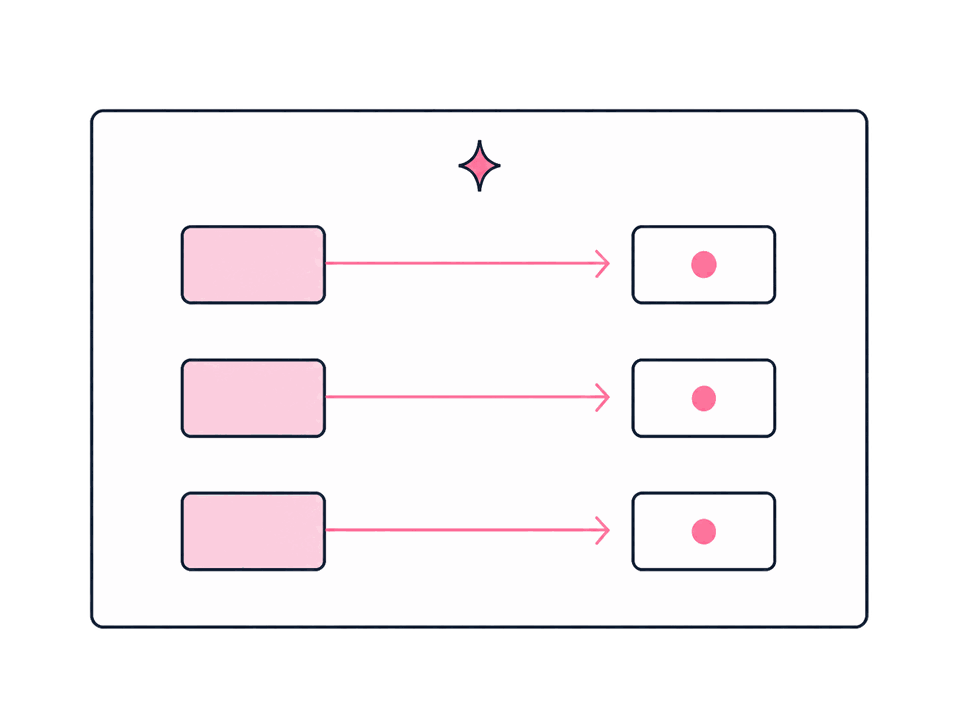
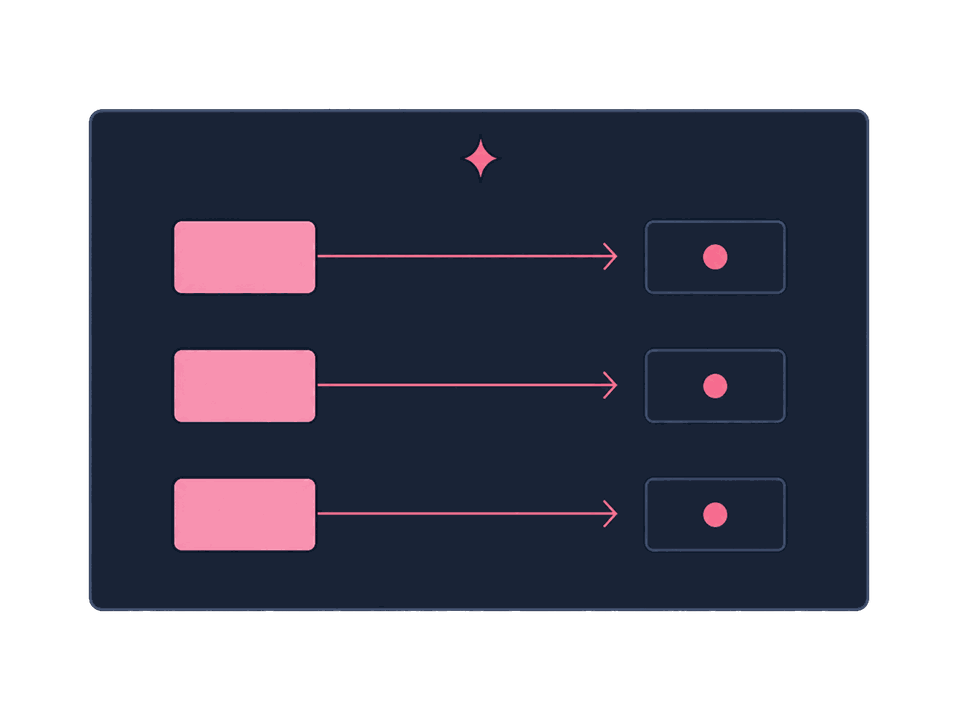
Tracking plan
Change & recovery ledger
We call it done when: The scorecard, eligibility policy, lifecycle backlog, and change ledger are done when record IDs, source and template versions, rule results, exceptions, reviewers, severity, owner, and public state sit together, the policy defines the conditions for public, held, consolidated, retired, and restored cohorts and who approves each move, every cohort in the backlog has an exact diagnosis, action, owner, acceptance test, release boundary, and recovery path, and the ledger connects source events, template releases, route states, search observations, user outcomes, anomalies, corrections, and closure.
Fit and readiness
When you need this
This is the governance layer for a live programmatic estate, where teams must interpret page quality, platform behavior, and search observations together.
A good fit when
- You manage large generated cohorts and need repeatable decisions about which pages remain public, improve, consolidate, retire, or return.
- Search reports contain discovered, crawled, duplicate, excluded, indexed, and unknown URLs, and one headline metric no longer explains the estate.
- Changes in source freshness, templates, and manual exceptions have created uneven quality within the same page family.


Better handled as other work when
- This method does not treat indexing every generated URL as success when usefulness, uniqueness, ownership, or demand is missing.
- The team needs authority to pause generation, adjust index controls, maintain redirects, and restore a cohort when the evidence requires it.
If one of these is closer to your situation, start here instead: Programmatic SEO
We call it done when: Every public cohort has a current reason to exist, every weak cohort has an owner and next action, and index-status labels are treated as observations rather than complete diagnoses.
The specialists behind this SEO work
Zeo's SEO work goes back to 2006, when we started what we call the first SEO blog in the MENA region. The consultants shown here are doing that work today, matched to what this page covers.

Samet Özsüleyman
SEO Manager

Ruhan Tiryaki
Senior SEO Analyst

Metehan Urhan
New Business & Partnership Manager

Hande Parmaksız
SEO Manager

Ali Özgün Öz
SEO Executive

Bensu Tınastepe
Senior SEO Analyst

Gülşah Şahin Özkan
Senior SEO Analyst

Emir Kağan Kahveci
SEO Analyst

Zafer Yıldız
Web Analytics Manager

İlker Emir
Senior Performance Marketing Executive

İpek Ezer
Performance Marketing Executive

Onur Durdağı
Performance Marketing Executive

Sevda Yurtvermez
Performance Marketing Team Lead

Serap Yurtvermez
Performance Marketing Team Lead

Abdullah Tanıdır
Performance Marketing Team Lead
Tools we use
Tools behind this work
 Oncrawl
joins crawl, log, and page attributes into lifecycle cohorts
 Screaming Frog
recrawls governed cohorts after improve, hold, or retirement changes
 Sitebulb
turns recurring quality failures into inspectable cohort scorecards
 Copyscape
finds repeated page copy expanding inside generated cohorts
 Google Search Console
builds cohort-level discovery, canonical, crawl, and indexing evidence
 Bing Webmaster Tools
provides a second search-system view of cohort crawl behavior
 Google Analytics
shows whether indexed cohorts still support useful visitor actions
Where this fits
Related services


Programmatic SEO
Opportunity & Data Modeling
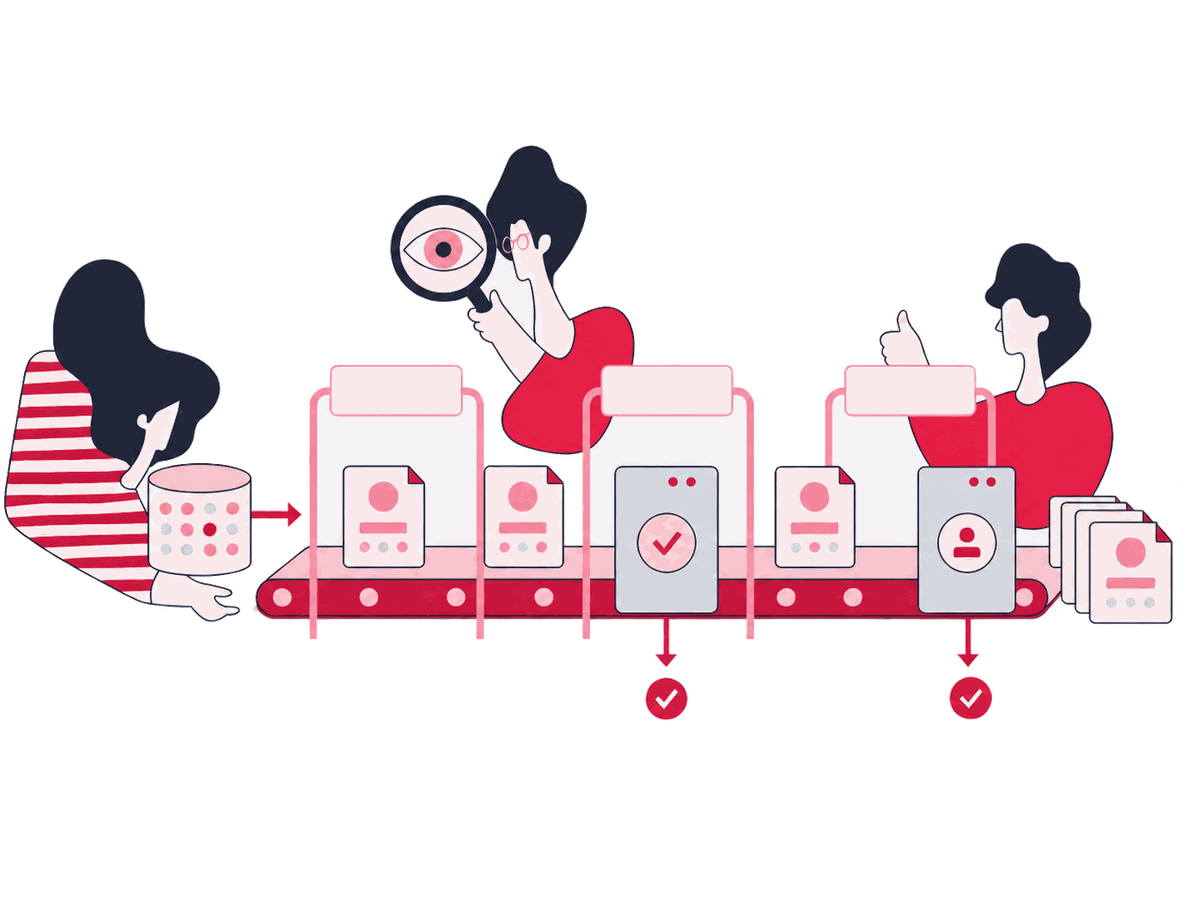
Quality control gates inspect programmatic database records, filtering out incomplete entries before they generate low-quality landing pages.


Programmatic SEO
Page Templates & Content Models
Automated content validators check rendered templates for copy duplication and layout integrity prior to public sitemap inclusion.

Programmatic SEO
Generation & Publishing Pipelines
Index management policies determine dynamic noindex tagging and publishing throttling for large-scale programmatic batch releases.
Next step
Review the cohort your teams disagree about


Before we start