






YouTube & Video Campaign Management
Reach is easy to buy. Proof takes real discipline.
We agree on the job video needs to do before choosing the format. Then we confirm the buying route, creative rights and tracking. Once delivery starts, we check pacing, frequency and placements at a cadence that matches the risk. Spend only scales when the available evidence supports it. You end up with a video program with a clear record of what ran, why it ran, and what the evidence shows it did. Teams that want video held to the same evidence standard as their other paid channels.


Some of the 500+ brands we've worked with
See all references















































How the work runs
Keep the brief beside every live decision
The approved brief remains the reference while the campaign moves from paused build to live review. AI can sort evidence, compare the build with the checklist and draft a review brief. It never publishes, activates or changes a live campaign or its budget.
How we hold ourselves to it
- The buying route, fees, and controls stay disclosed
- Every creative, destination, and tracking event gets preflighted
- Frequency and placements get reviewed before spend scales
- A person approves every live change
Agree the role and the buying route
Choose whether video is there for reach, consideration or a specific action. Put the buying route, budget and frequency limits in the brief, along with the people who can approve launch or a budget change. Media lead and client owner approve the brief.
Signed brief naming video's role, the buying route, budget and frequency limits and the approvers.


Clear the creative and match the format
Check every asset against rights, brand rules, and the format's real specs, then compare the approved copy with what the trafficking sheet expects. Creative lead and the authorized media owner sign off.
Cleared creative set checked against rights, brand rules and the format's real specs.

Build paused and QA it twice
Configure the campaign without publishing it. Check destinations, tracking, audiences, exclusions, budgets, dates, and suitability settings against the build sheet. A second reviewer signs the preflight checklist.
Paused-build QA covering destinations, tracking, audiences, exclusions, budgets, dates and suitability settings.
Activate inside the approved limits
Turn on only the approved scope, confirm delivery and measurement are actually working, and watch budget and frequency exposure from day one. An authorized media owner makes every live change.
Activation record confirming delivery and measurement work, with budget and frequency exposure watched from day one.


Review pacing, frequency, and placements
Compare delivery against the plan, audit where the campaign actually showed up, and check the frequency spread before anyone talks about scaling. Media owner and an independent reviewer validate findings against raw exports.
Delivery review comparing pacing to plan, auditing placements and reading the frequency spread.


Decide and record the next review
Promote, pause, exclude, or rebalance budget and frequency, then write down the evidence, the uncertainty, the owner, and the next review date. The media lead approves the decision. The client approves exceptions.
Decision entry naming the promote, pause, exclude or rebalance call, its evidence, its uncertainty and the owner.

What lands with your team
Leave the next reviewer a campaign they can follow
The core files go further than a views chart. They show what is live, why it changed and what the next review still needs to check.


Campaign dossier
Role, buying disclosure, creative versions, trafficking, QA, pacing, placements, measurement, and decisions in one readable file.

Format-role matrix
Which video format supports each role in the journey, and what evidence beyond a single metric supports that choice.
Exposure and rollback plan
The approved budget and frequency envelope, the stop conditions, and the exact steps to contain a placement or signal that misbehaves.
Delivery and placement brief
A short view of what ran, what the frequency and placement evidence shows, what's still unknown, and what's approved next.
Before the work starts
When this work is the right next step
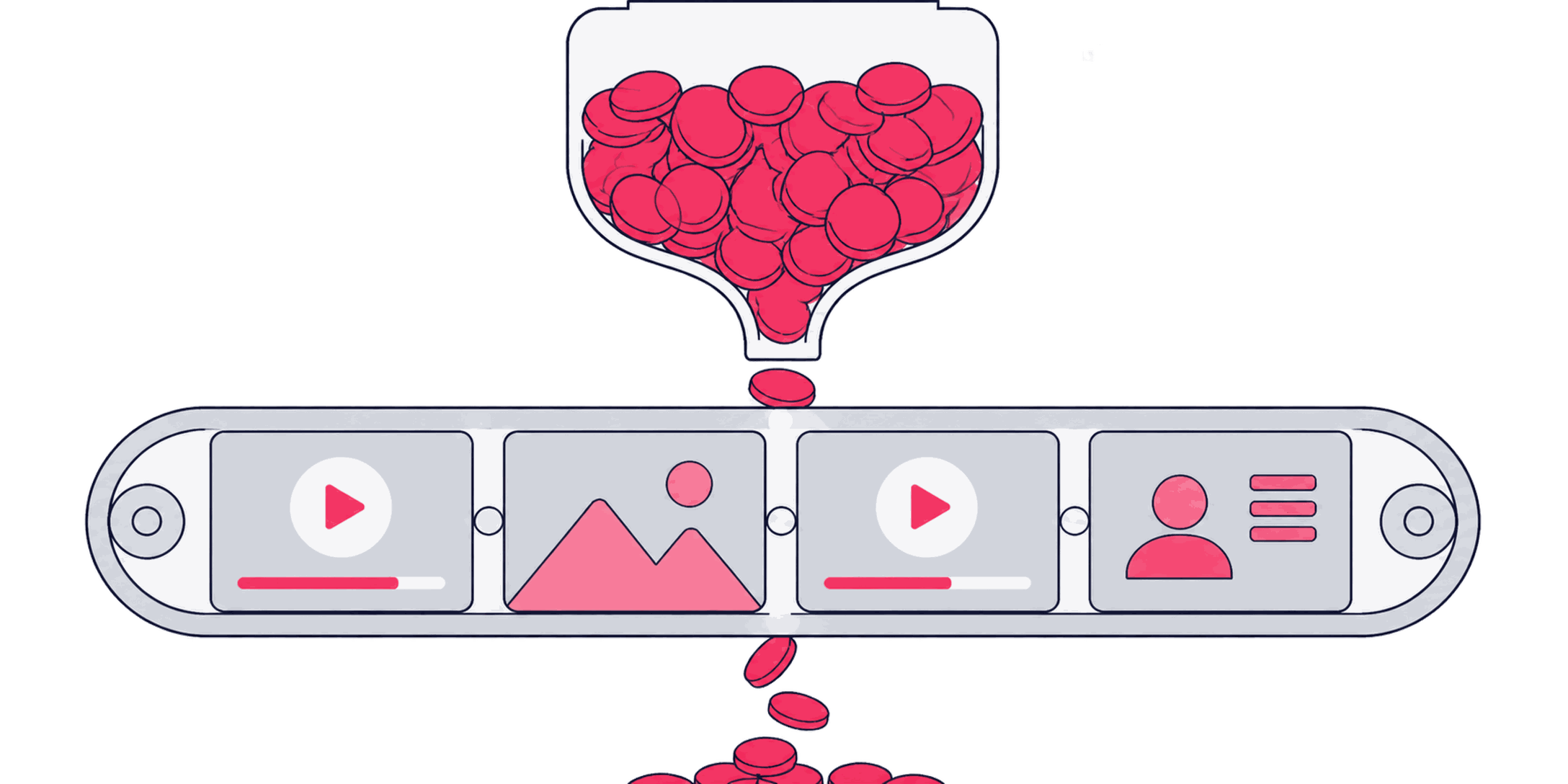
More views do not necessarily mean more attention. A video campaign can spend its budget, record views, and stay within a frequency cap without answering whether people paid attention or took a meaningful action. Served, viewable, watched, and attributed are distinct claims. When a dashboard blends them together, important gaps can remain hidden for weeks.
A good fit when
- Video has a defined role, but the team still needs a format and buying route that can support reach, consideration, or action.
- The creative is rights-cleared and the destination page works, yet format and tracking checks still need to pass before the paused build can launch.
- Frequency or pacing can cross the approved limits during delivery, so the person who owns the budget needs evidence for a quick exception decision.
- Frequency caps get set at launch and never checked against real delivery again.
- Placement reports pile up, but nobody opens them until something looks wrong.
- View-through and click conversions get counted side by side as if they were the same signal.
- Nobody can say whether last month's completion rate came from real attention or autoplay.

Better handled as other work when
- The brief is built around active search intent, while this method chooses video's role in reach, consideration, or action, so Paid Search should own the campaign.
- Creative rights or the destination page are still unresolved, so the paused build cannot pass preflight or send traffic to an approved experience.
- The brief expects a guaranteed brand-safe, fraud-free, or fixed-ROAS result before launch, although the available verification signals cannot support that promise.
People who own a single channel
Paid Search, Paid Social, CRO, and Programmatic each run under a named owner at Zeo. The consultants below are matched to the channel this page is about, so you can see who you'd actually work with.

Didem Himmetli
Marketing Executive

Serap Yurtvermez
Performance Marketing Team Lead

Abdullah Tanıdır
Performance Marketing Team Lead

Sevda Yurtvermez
Performance Marketing Team Lead

İlker Emir
Senior Performance Marketing Executive

İpek Ezer
Performance Marketing Executive

Zafer Yıldız
Web Analytics Manager
Content we've produced on this topic
Tools we use
Tools behind this work
 Google Analytics
the read on what happened after the view, which the view count itself can never answer
 Zefr
Zefrthe pre- and post-bid suitability signal built specifically for YouTube inventory, not adapted from open-web verification
Related work


Parent service
Programmatic, Display & Video Advertising
The main practice for disclosed video and display execution, trafficking, pacing, placement review, and measurement handoffs.


Platform entrance
YouTube Ads Management
YouTube-specific formats, platform controls, suitability inputs, and measurement mechanics.
Know what the video campaign can prove
Start with the job, buying route and available evidence