




Cross-Engine Paid Search Management
One search discipline. Two engines that need their own decisions.
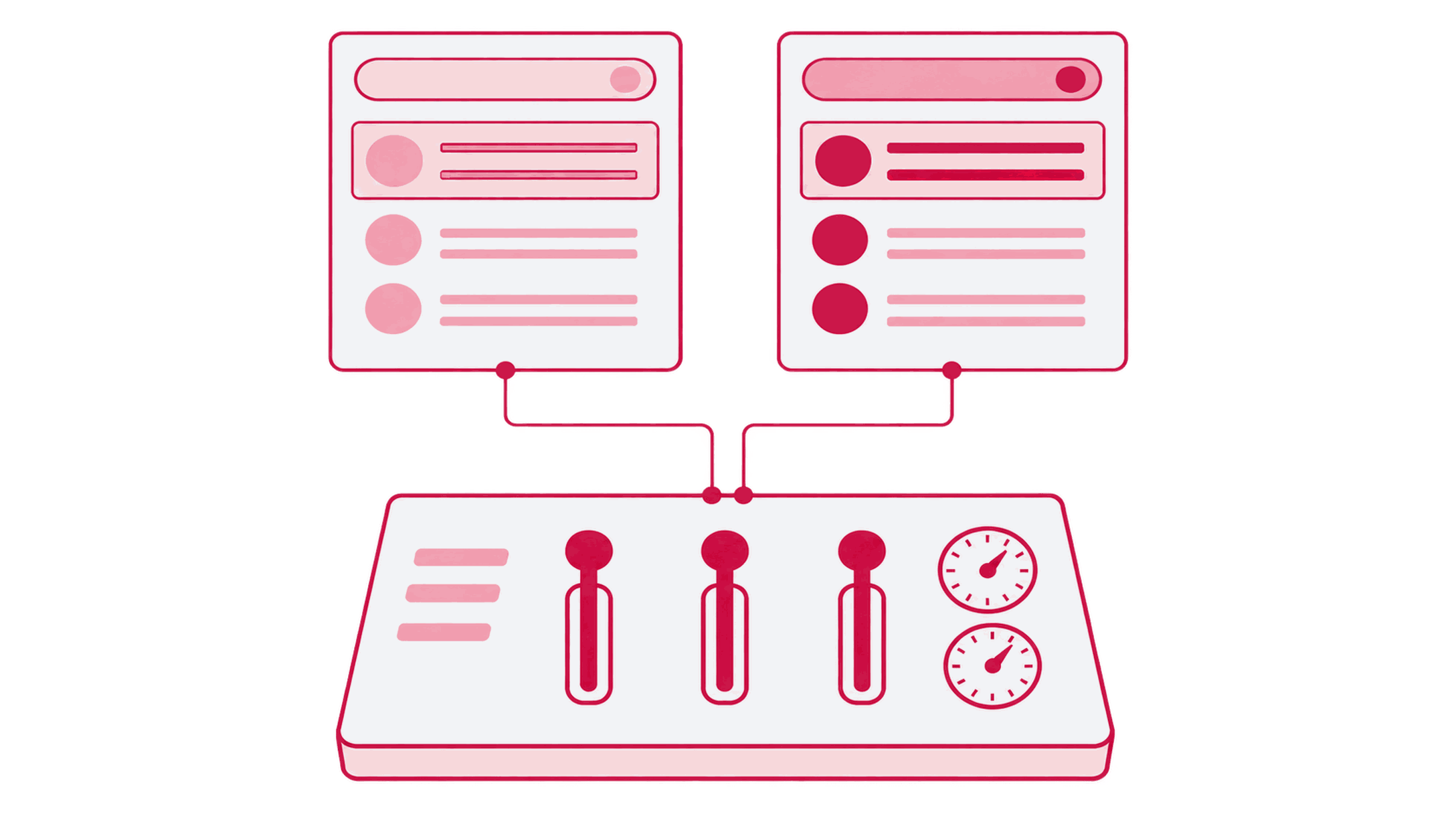
Google Ads and Microsoft Advertising begin with the same commercial brief, but each account is built and managed according to its own controls. Shared definitions make reporting easier to compare, while engine-specific checks catch import and setup differences before they affect spend. You end up with a paid-search portfolio that is easier to steer, explain, and review across both engines. For teams that already use more than one search engine, or are ready to add a second one without duplicating every habit from the first.

Some of the 500+ brands we've worked with
See all references

















How the work runs
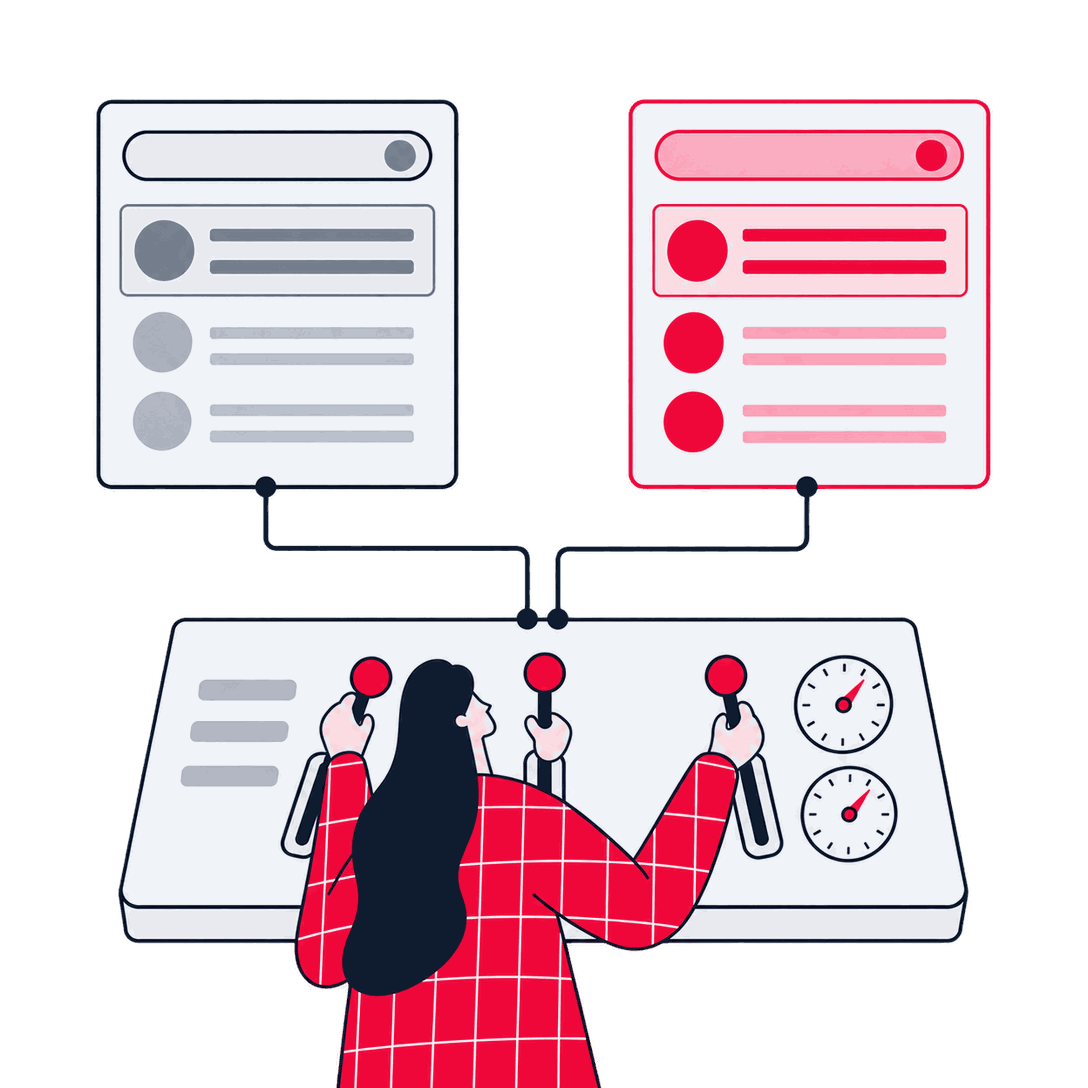
Shared definitions guide each engine's build
AI can organize evidence and flag mismatches at each stage. A person checks that work, and only an authorized owner can publish, pause, exclude, or change spend.
How we hold ourselves to it
- Share business definitions across engines
- Query evidence guides the next move
- Budget and launch changes stay human-approved
- Compare platform reports with business outcomes
Agree the commercial contract
Define the primary conversion, value or cost guardrail, approved offer, sales capacity, account owners, and who can approve budget or launch changes. Open questions stay visible. Strategy lead and client owner approve the brief.
Signed commercial contract naming the primary conversion, guardrail, approved offer, capacity, owners and open questions.
Read the evidence
Inspect query history, account structure, conversion signals, change logs, destinations, and downstream quality. Sort findings into immediate risk, foundation work, and testable opportunity. The paid-search lead validates the findings against raw exports.
Evidence read sorted into immediate risk, foundation work and testable opportunity.

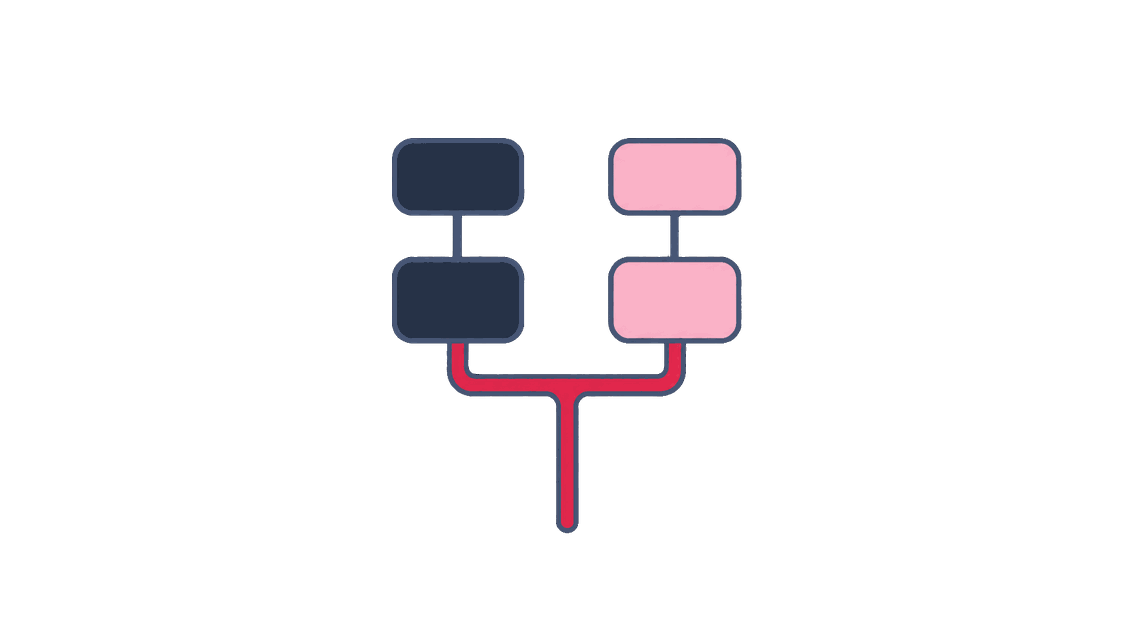
Design the shared spine and local branches
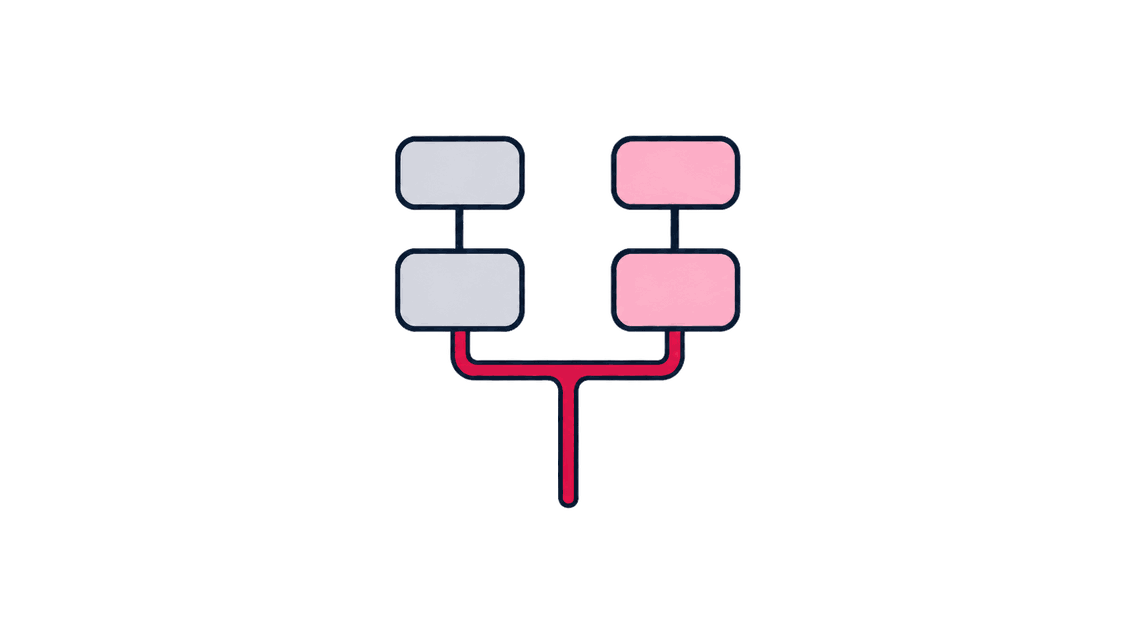
Set one naming and conversion vocabulary, then choose the structure, bids, audiences, negatives, budgets, and rollback points each engine actually supports. The search lead owns the architecture, and the client approves material scope and budget.
Shared taxonomy plus per-engine structure, bids, audiences, negatives, budgets and rollback points.
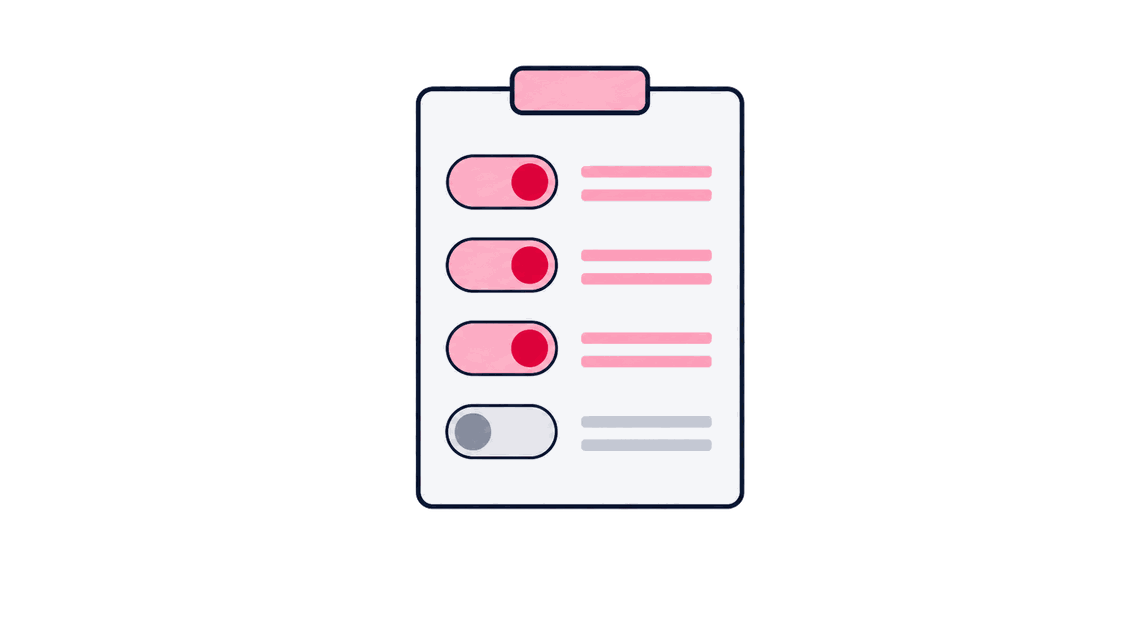
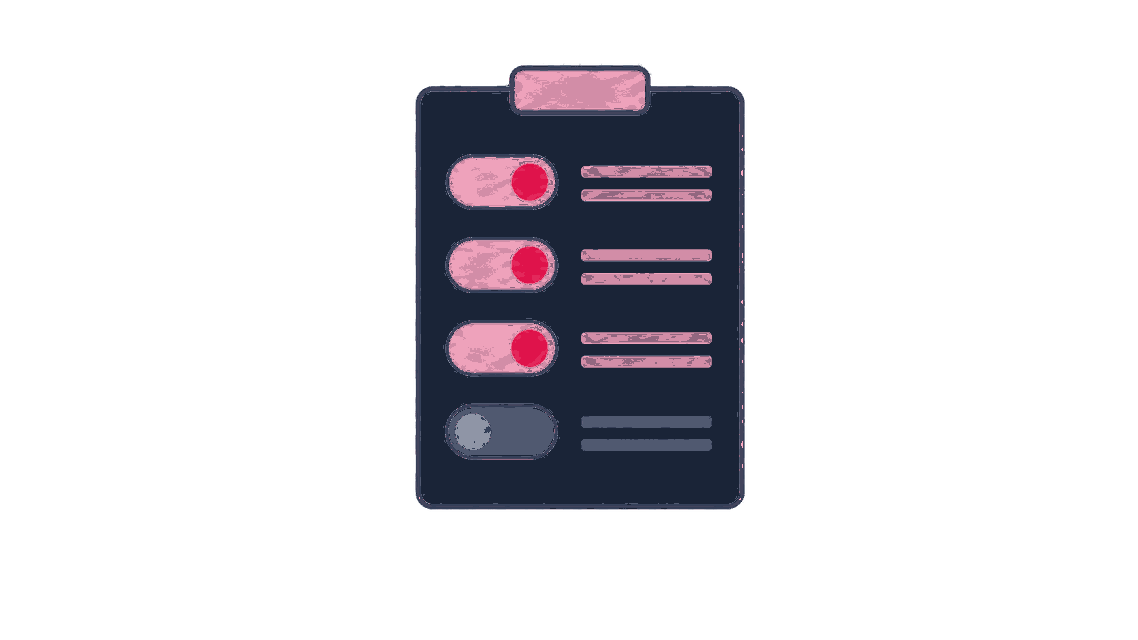
Build paused and check twice
Configure the campaigns without publishing them. Check destinations, conversions, exclusions, budgets, dates, naming, and policy-sensitive claims against the build sheet. A second person signs the preflight checklist.
Build-sheet QA covering destinations, conversions, exclusions, budgets, dates, naming and policy-sensitive claims.
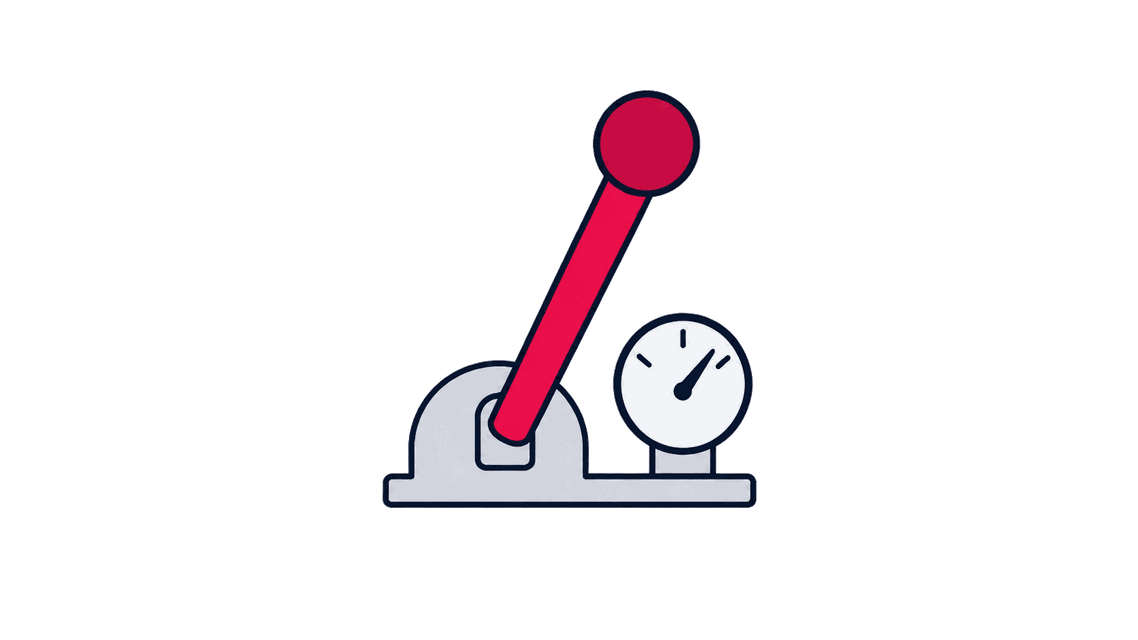
Launch under active review
Activate only the approved scope. Confirm delivery and measurement, watch budget exposure, and use the runbook when a destination, signal, or setting behaves differently than expected. An authorized media owner performs every live change.
Launch record confirming delivery and measurement, with budget exposure watched against the runbook.
Decide and record
Promote, exclude, rebalance, test, or leave a query unchanged. Record the evidence, uncertainty, owner, expected effect, and the next review date. The search lead approves the decision, and the client approves exceptions.
Query decision entry naming the action, evidence, uncertainty, owner, expected effect and next review date.
What lands with your team
A documented operating record for both engines
The architecture map, query ledger, launch pack, and decision brief explain why the accounts differ, what changed, and what the team should review next.
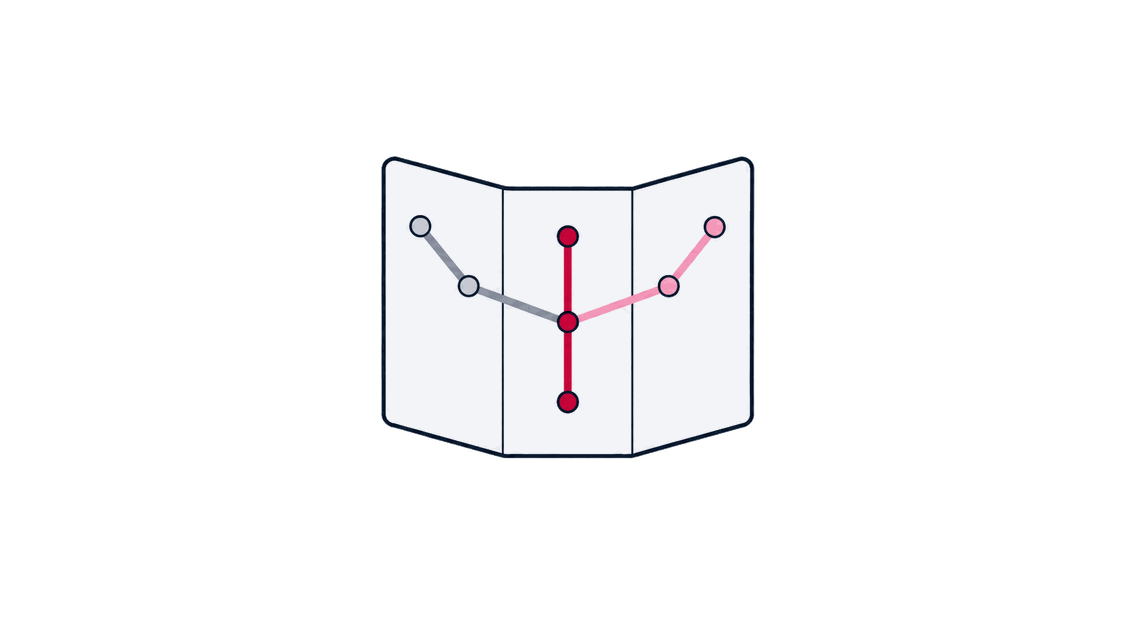
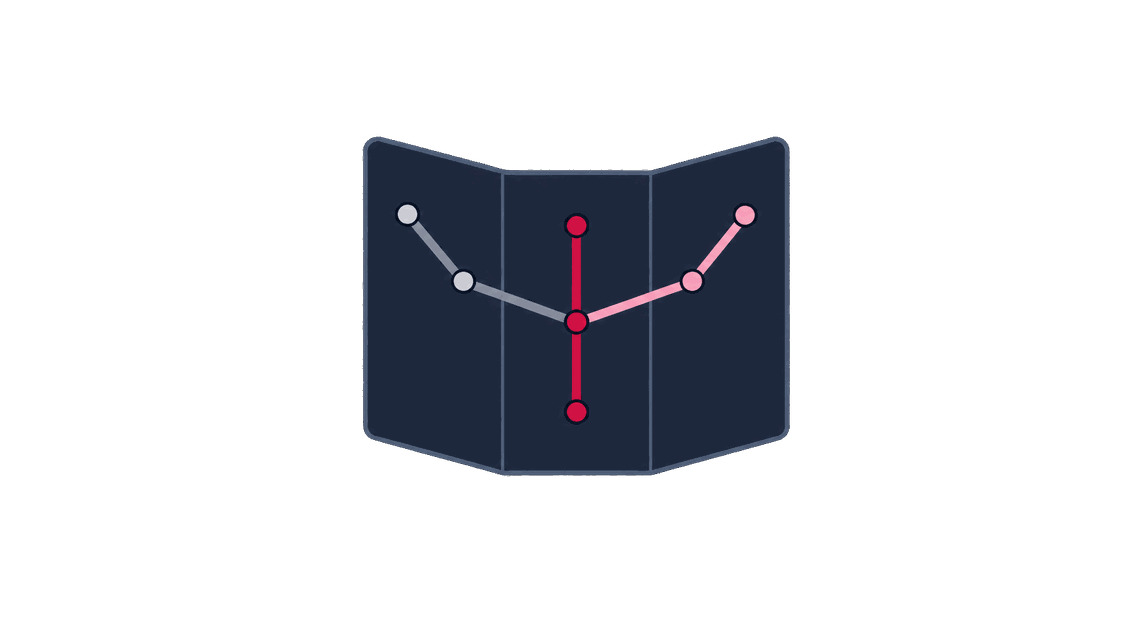
Cross-engine architecture map
The shared taxonomy, engine-specific branches, destinations, conversions, budgets, and owners in one readable view.
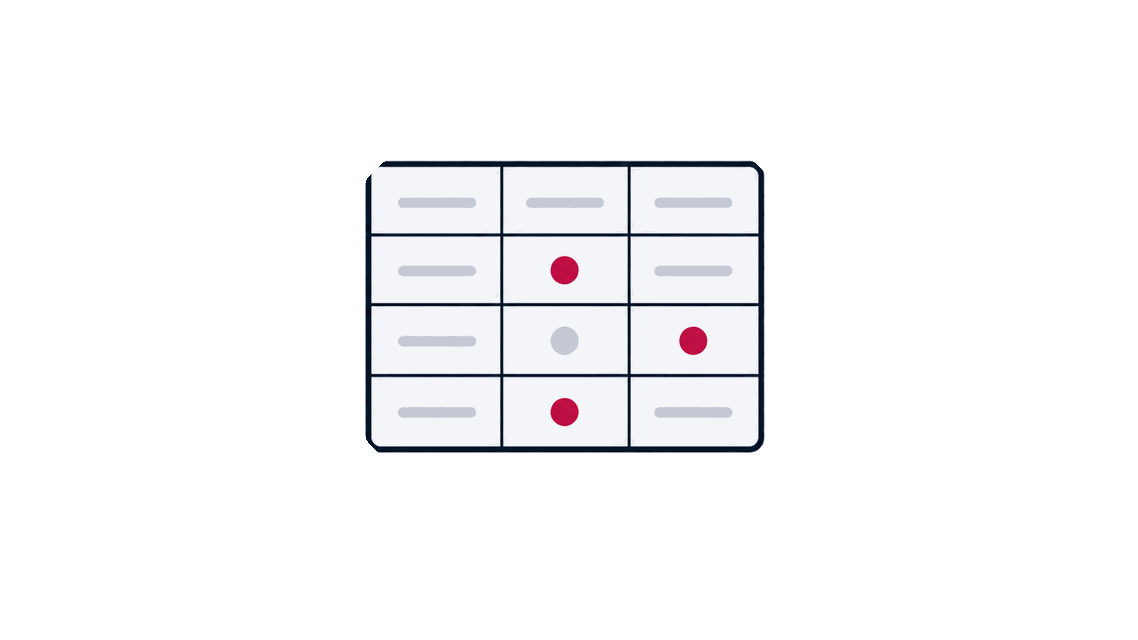
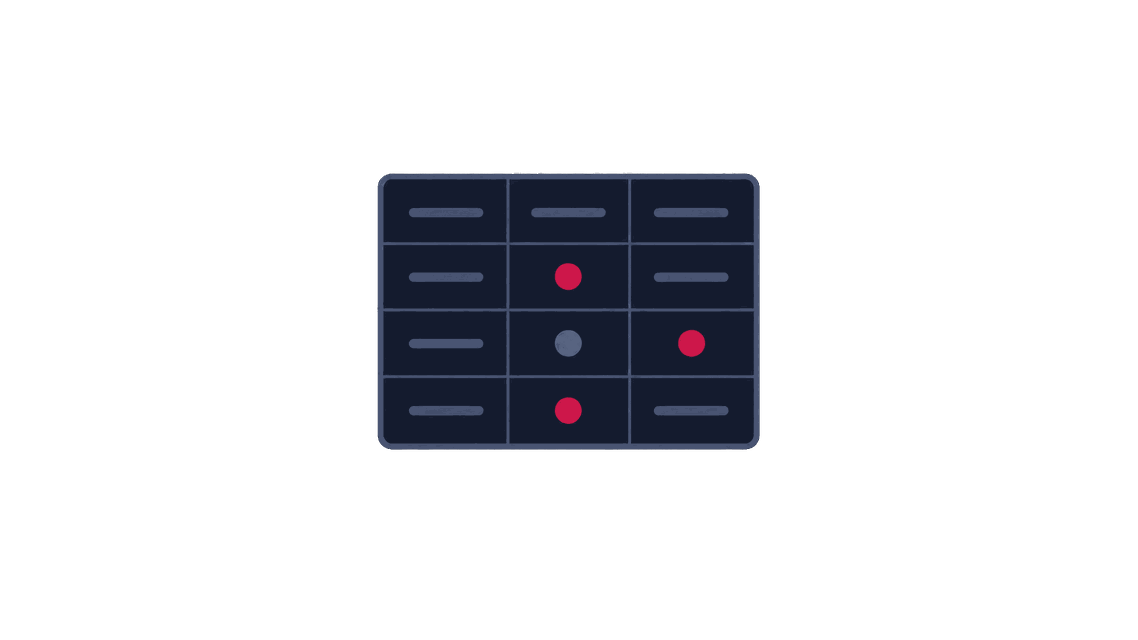
Query decision ledger
A running record of terms to discover, test, promote, exclude, retire, or revisit, with the evidence and reason beside each decision.

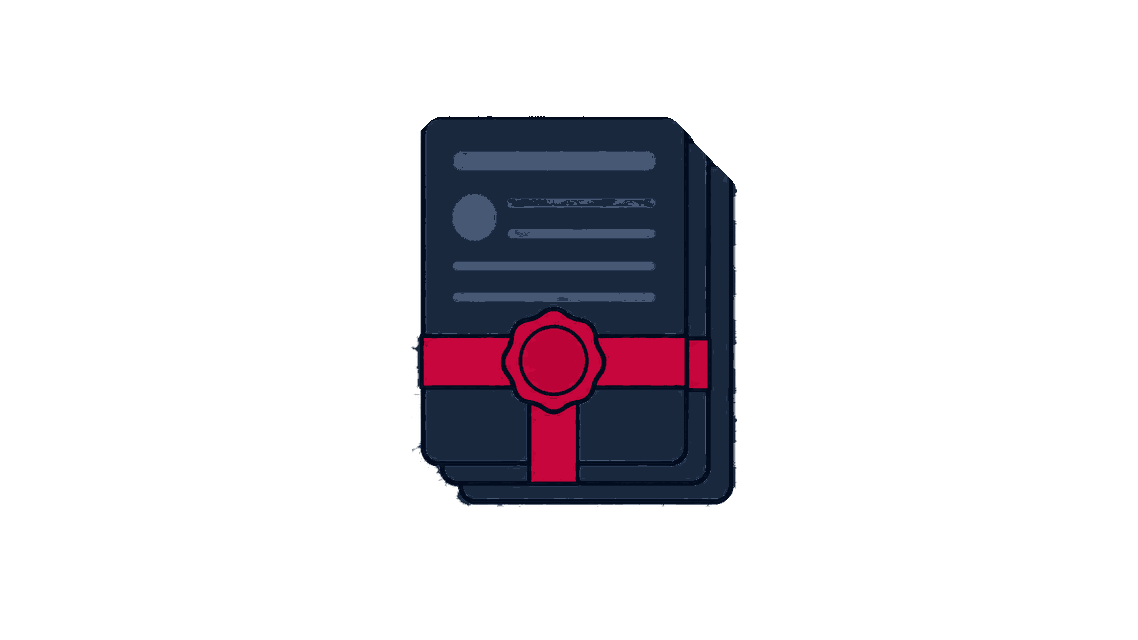
Launch and rollback pack
Build sheet, QA evidence, approvals, monitoring window, and the steps to contain a change when an assumption fails.
Search decision brief
A short view of what moved, what may explain it, what remains unknown, and which action is approved next.
Before the work starts
When this work is the right next step
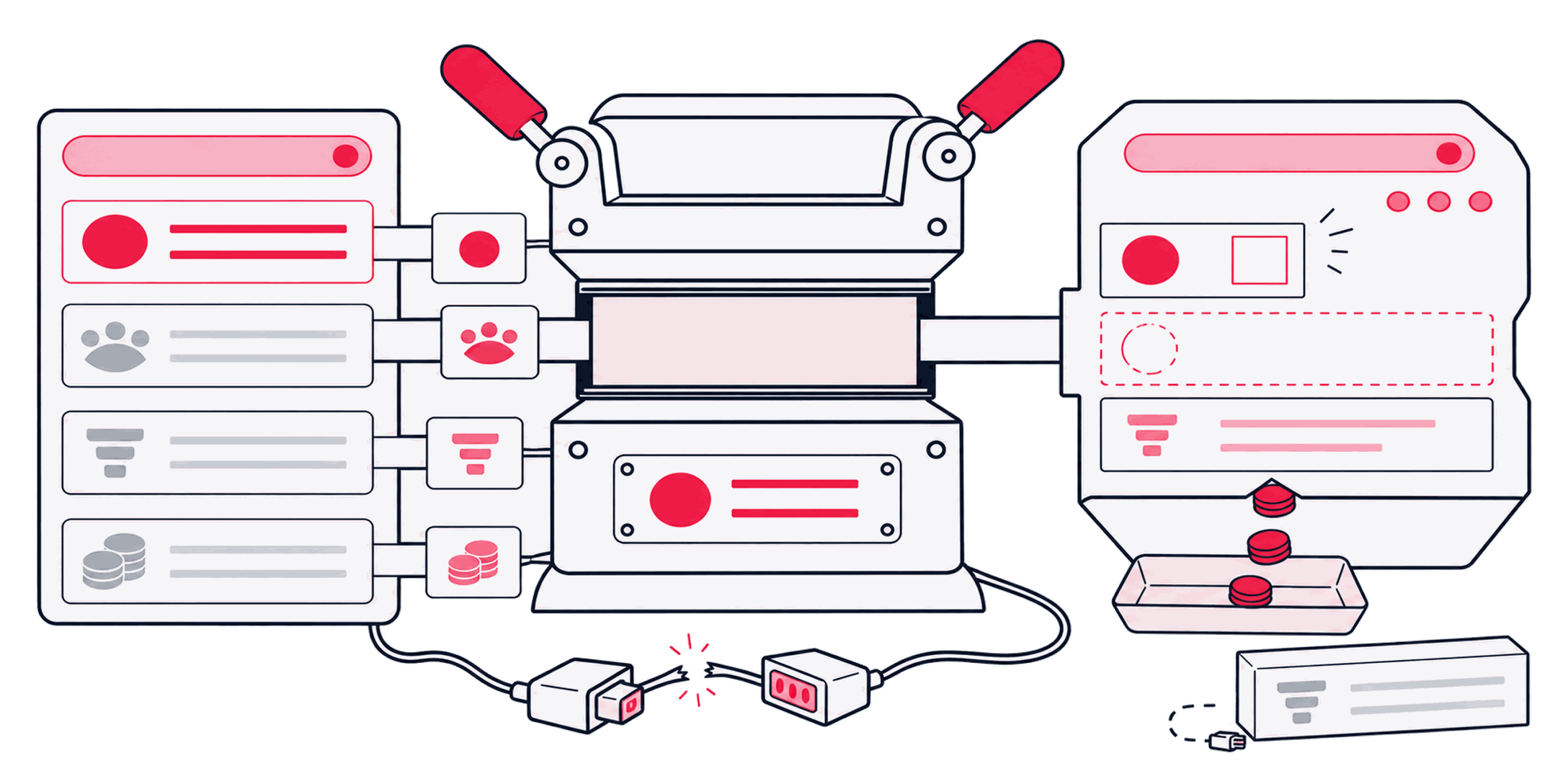
A copied account can hide important engine differences. Google and Microsoft do not share every setting, goal, audience, bid strategy, or attribution rule. Imports help with setup, but they can also hide a mismatch. Meanwhile, two dashboards can report a conversion without answering whether the same kind of customer arrived.
A good fit when
- Google and Microsoft both matter commercially, but nobody can compare their query mix and downstream quality under one conversion definition.
- Your primary conversion is defined, yet Google and Microsoft apply different tracking rules, so the team cannot tell which source should govern a budget move.
- The Microsoft account still behaves like an imported copy, so its engine-specific settings, audiences, and bid rules have no deliberate role.
- The Microsoft account still carries settings nobody has checked after import.
- Search terms are reviewed in one engine but not the other.
- Budget moves happen before lead or order quality is compared.
- Platform totals disagree and nobody has named which source governs the decision.
Better handled as other work when
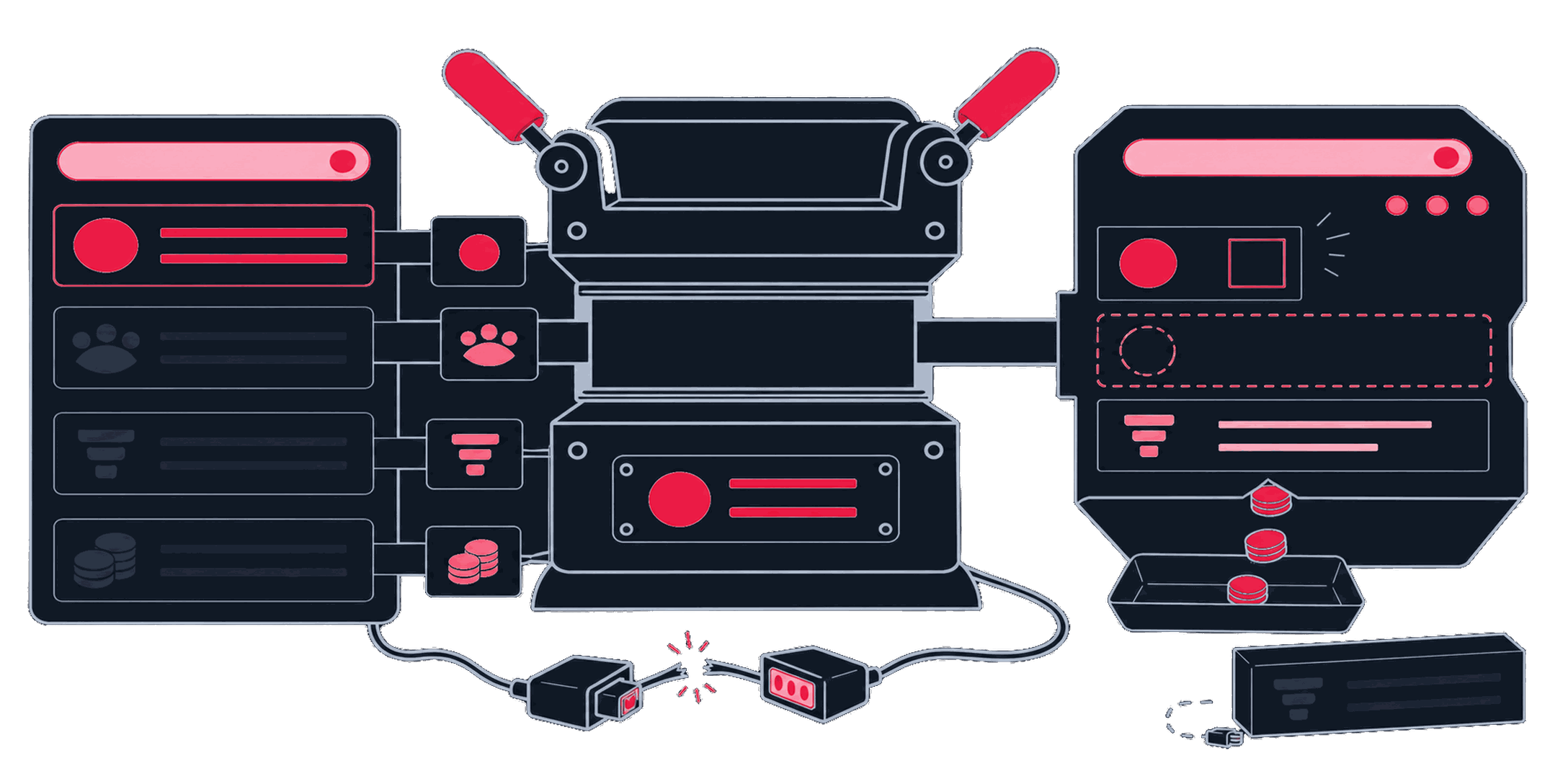
- Conversion events remain unclear or unreliable across the two accounts, so a shared report would compare numbers that do not mean the same thing.
- Landing pages, stock, or sales capacity cannot absorb more search demand, so a second engine would increase pressure on an unready path.
- Budget cannot sustain a useful learning period in both engines, so neither account would produce a readable result.
People who own a single channel
Paid Search, Paid Social, CRO, and Programmatic each run under a named owner at Zeo. The consultants below are matched to the channel this page is about, so you can see who you'd actually work with.

Sevda Yurtvermez
Performance Marketing Team Lead

Serap Yurtvermez
Performance Marketing Team Lead

Abdullah Tanıdır
Performance Marketing Team Lead

İlker Emir
Senior Performance Marketing Executive

İpek Ezer
Performance Marketing Executive

Onur Durdağı
Performance Marketing Executive

Zafer Yıldız
Web Analytics Manager
Tools we use
Tools behind this work
 Skai
Skaithe platform where the shared commercial brief actually gets built once for both engines
 Optmyzr
spots a search-term pattern repeating on both engines before a gap widens
Related work


Parent service
Paid Search & PPC Management
The main practice for Google and Microsoft search governance, query decisions, controls, and budget pacing.


Platform-specialist sibling
Google Ads Management
Native Google campaign work across Search, Shopping, Performance Max, landing readiness, and measurement.


Next method
Budget Allocation & Forecasting
Turn search evidence into scenarios, pacing limits, and better marginal budget decisions.
Bring both engines into one clearer system
Start with the decisions your reports cannot explain