


Experiment Implementation & QA
An experiment cannot be more trustworthy than its QA record.
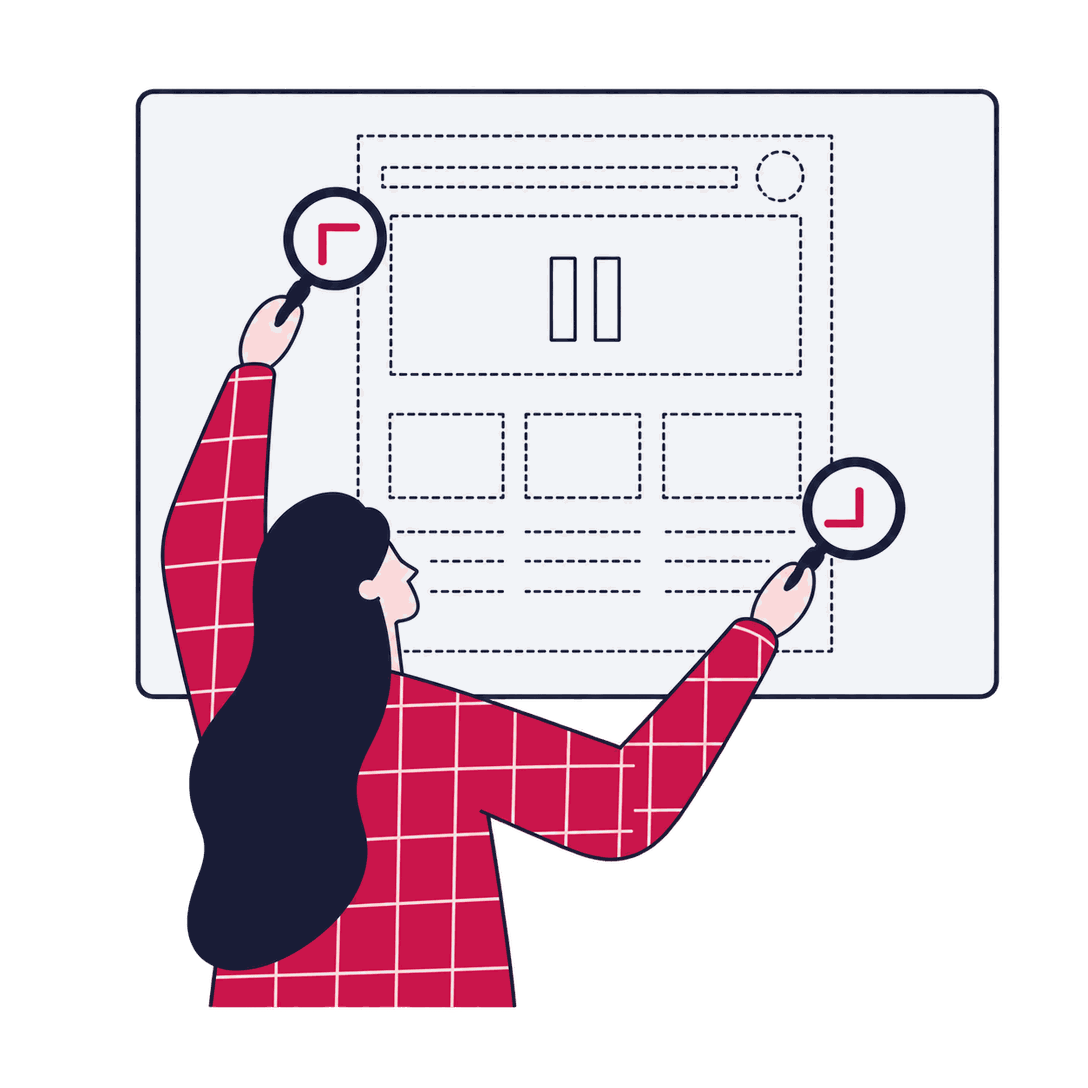
A visual editor shows one browser and one happy path. It doesn't show the mobile keyboard covering the CTA, the tracking script that quietly stopped firing, or the accessibility regression a screen-reader user hits first. We run every variant through the same checklist, verify assignment and tracking before exposure, and exercise the rollback path in advance. You get a signed QA record for every experiment before launch, plus a rollback path that has already passed a live drill. A standing release gate makes sense once experiments run often enough that checks by feel create avoidable risk.
Some of the 500+ brands we've worked with
See all references




































How the work runs
Run the same release gate for every variant
We apply the approved checklist to each variant and keep the evidence with the release record. AI can draft checks and flag mismatches. The experiment owner is the person who approves release.
How we hold ourselves to it
- Every variant clears one release checklist
- Assignment logs must match the configured split before exposure begins
- QA reviews performance and accessibility against the base page
- The rollback mechanism is exercised in advance
Build the release checklist for this program
Before the first experiment enters QA, define the checks required for this site or app, including functional behavior, cross-device rendering, accessibility, performance, tracking, and assignment. The CRO strategist and engineering owner approve the checklist before it's used.
Program release checklist covering functional, cross-device, accessibility, performance, tracking and assignment checks.

Verify functional and cross-device behavior
Check the paused variant across the browsers, viewports, and devices that matter for this audience. Confirm that the intended change renders and behaves as designed in the full matrix. An independent reviewer who did not build the variant signs off on functional QA.
Signed device and browser matrix result with every discrepancy noted.
Verify tracking and assignment integrity
Confirm every relevant event fires correctly in each variant and that the assignment mechanism splits traffic the way it was configured, before any traffic is exposed. The analytics owner confirms tracking is correct before the experiment owner authorizes exposure.
Event-firing and assignment-split verification recorded per variant before exposure.
Check performance and accessibility regressions
Measure the variant's effect on load performance and layout stability. Re-run an accessibility check against the same criteria used for the base page before release. The engineering owner reviews flagged regressions before sign-off.
Performance and accessibility comparison of the variant against the control page.
Prove the rollback path works
Exercise the rollback mechanism before the experiment goes live. The drill must leave a working exit if a guardrail breach occurs. The experiment owner confirms the rollback test passed before authorizing launch.
Rollback drill record showing the exit worked before launch.
Sign, launch, and log the record
Collect sign-off from every required reviewer, launch only the approved scope, and file the complete QA record so it's available if a guardrail trips or a post-mortem is needed later. The experiment owner authorizes launch only once every required sign-off is on file.
Complete, signed QA record filed with the launch scope it approved.
What lands with your team
The paperwork behind the release decision
These four records show which checks ran, what they found and who approved the variant before launch.
Program-level release checklist
The standing checklist every experiment on this program gets checked against, covering functional, cross-device, tracking, performance, and accessibility QA.
Functional and cross-device QA record
The signed result of running each variant through the configured device and browser matrix, with any discrepancies noted.
Tracking, assignment, performance, and accessibility findings
The QA record confirms that events fired, assignment split as configured, and performance and accessibility were reviewed against the control before release.

Tested rollback record
The signed result of exercising the rollback mechanism and confirming it worked before launch.
Before the work starts
When this work is the right next step
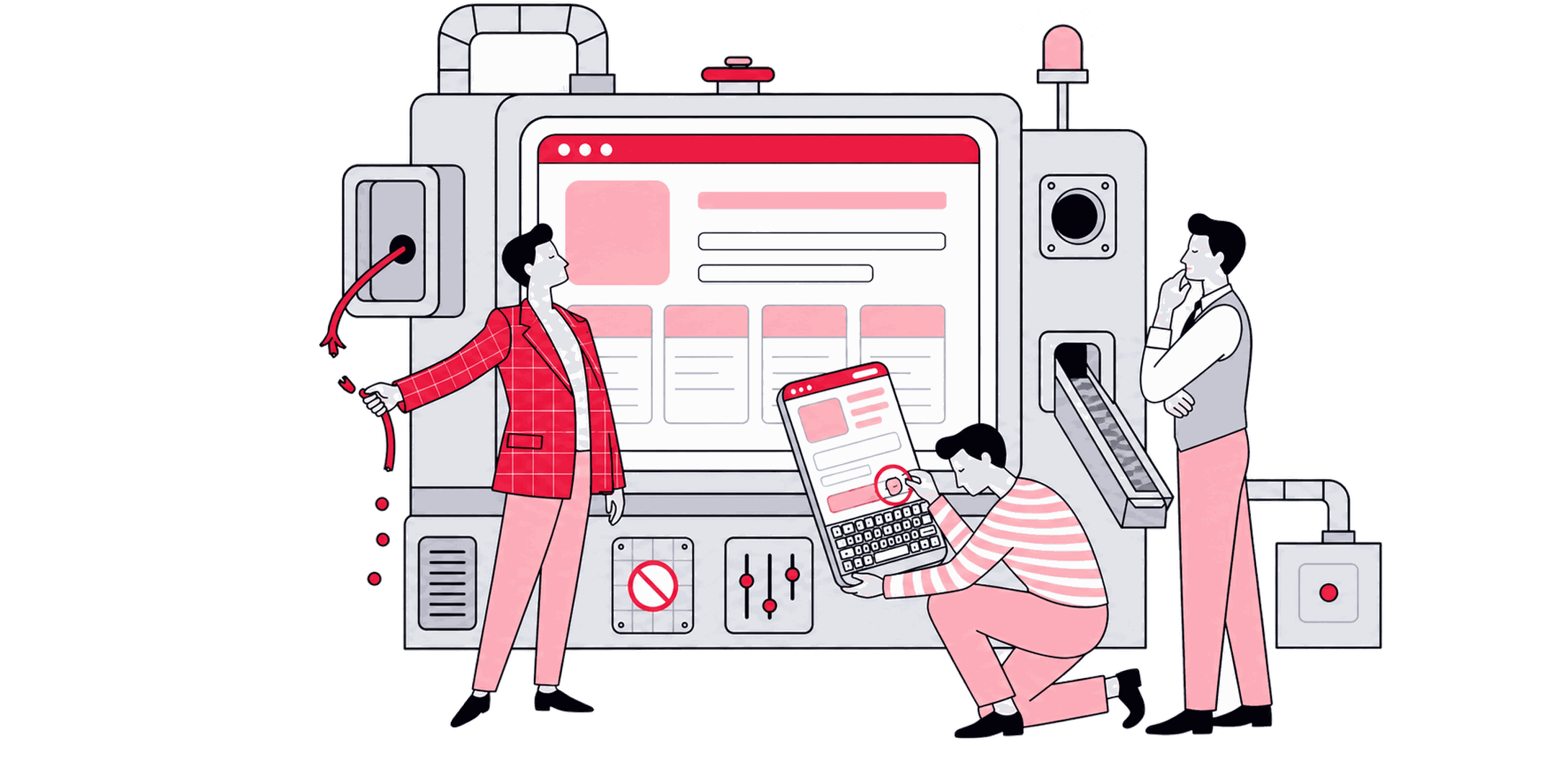
A variant that looks correct in the builder can still fail in production. The builder preview is only the starting point. Once variant code meets real browsers and devices, it can shift the layout, interrupt tracking, slow the page, or create an accessibility regression. QA has to inspect that production behavior before visitors are exposed.
A good fit when
- Experiments launch often enough that checks by feel create avoidable release risk, yet no repeatable checklist shows what every variant must clear.
- Variants come from an internal team or agency, but nobody independent has checked their tracking, device behavior, performance, and accessibility before exposure.
- A failed experiment release would disrupt real traffic, so the team needs the rollback path tested before a guardrail ever trips.
- One desktop browser is the entire review.
- Assignment splits go unchecked until the results look odd.
- A new script or style changes page load or layout stability before anyone measures it.
- The team has no tested rollback path once exposure starts.
Better handled as other work when
- You run only a handful of experiments each year. The preflight inside test design already covers them.
- The variants still exist only as ideas, so there is no staged build, assignment log, or event firing to inspect yet.
- QA keeps finding issues, but no one owns the release or rollback decision, so every flag waits without a route to action.
People who own a single channel
Paid Search, Paid Social, CRO, and Programmatic each run under a named owner at Zeo. The consultants below are matched to the channel this page is about, so you can see who you'd actually work with.

Zafer Yıldız
Web Analytics Manager

Sevda Yurtvermez
Performance Marketing Team Lead

Serap Yurtvermez
Performance Marketing Team Lead

Abdullah Tanıdır
Performance Marketing Team Lead

İlker Emir
Senior Performance Marketing Executive

İpek Ezer
Performance Marketing Executive

Onur Durdağı
Performance Marketing Executive
Content we've produced on this topic
Tools we use
Tools behind this work
 BrowserStack
catches the mobile keyboard covering the CTA on a real device, not an emulator's guess at one
 Google Tag Manager
shows which tags actually fired, and in what order, before the variant goes live
Related work
Parent service
CRO & Experimentation
This gate proves a variant can ship safely, not that it should ship. The hypothesis, guardrails and verdict it will be read against arrive from the experiment contract.
What gets QA'd
A/B Test Design & Analysis
The method that designs the test whose variants move through this release checklist before launch.
Applied example
Campaign Landing-Page Experimentation
That method carries a single preflight step. This offering runs the same QA discipline as a standing program.
Put the release decision behind a real checklist
Check the next variant before launch