






Campaign Landing-Page Experimentation
Evidence should determine a landing page's next version.
We trace where visitors get stuck, write a hypothesis that can be disproved and check the build before anyone sees it. Once the experiment is live, we watch the guardrails alongside the primary metric. Wins, nulls, negative results and invalid runs all stay in the record because each one changes what the team should do next. You get a reviewable landing-page decision backed by the evidence, guardrails, and recorded verdict. Your campaign is already sending live traffic to a page, and the next change needs a reviewable basis before it ships.
Some of the 500+ brands we've worked with
See all references














































How the work runs
Six checks between the idea and the decision
Each step leaves a record the next person can inspect. AI may cluster approved evidence, compare the paused build with its checklist and draft a first summary. It doesn't invent a cause, choose the winner or touch a live account. Named people approve the hypothesis, exposure and release.
How we hold ourselves to it
- Separate what you observed from what you assume it means
- Write the decision down before exposure begins
- Protect visitors, measurement, and page performance with guardrails
- Keep null, negative, and invalid results as real learning
Diagnose the friction before proposing a variant
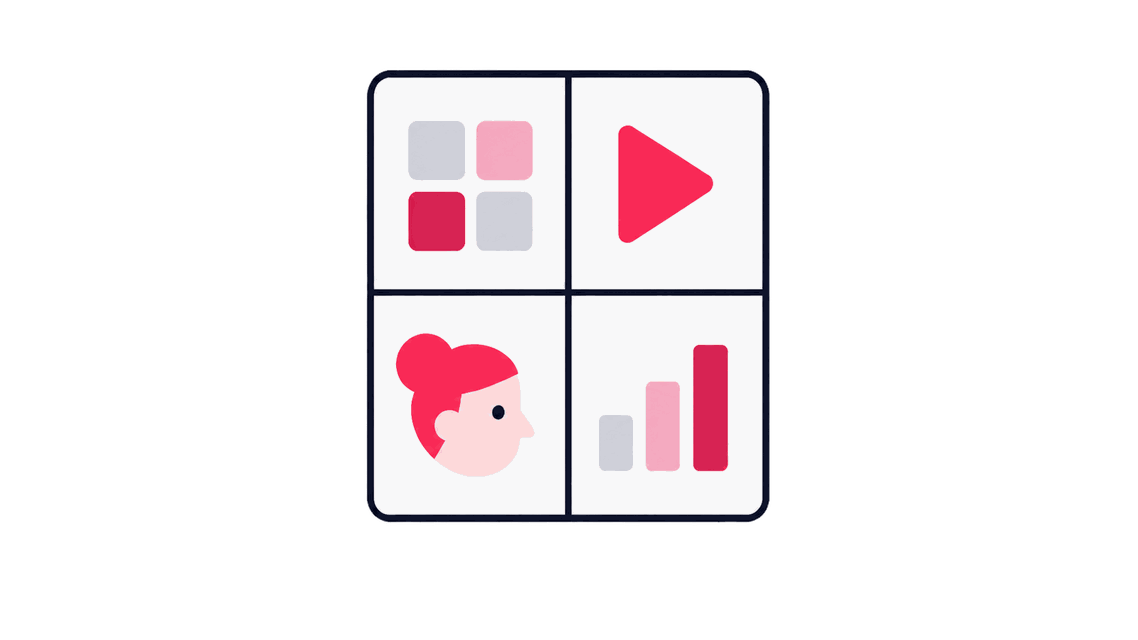
Read analytics, qualitative evidence, campaign context, accessibility, performance, and technical behavior together. Each heatmap, recording, interview, or metric is one input, logged with its source and confidence, and no single one stands as proof of cause. The CRO strategist and research owner approve the register before a hypothesis gets written.
Evidence register listing each analytics, qualitative, accessibility and technical input with its own source.

Anchor the test to one approved business event
Name the primary conversion, such as a purchase, qualified lead, booked action, or approved proxy, along with its value, delay tolerance, and the person who owns that definition. A diagnostic click does not stand in for it. The CRO strategist and client owner sign off on the decision-value brief.
Named primary conversion with its value, delay tolerance and the person who owns the definition.
Write a hypothesis that can be proven wrong
State it plainly: if we change X for eligible users, Y should move because Z. Declare the primary metric, guardrails, expected direction, practical threshold, and the condition that would invalidate it, while keeping the campaign's audience, message, and eligibility intact. The CRO strategist and research owner approve the registered hypothesis before design starts.
Falsifiable hypothesis with its primary metric, guardrails, expected direction, practical threshold and invalidation condition.
Build it paused, then check it twice
Configure the control and variant without publishing them. Compare the paused build against the approved experiment contract, staging QA exports, and the release checklist: copy, layout, accessibility, responsive behavior, performance, events, assignment, and consent included. An independent human reviewer signs the preflight checklist before the experiment owner authorizes exposure.
Signed preflight pack: the paused build checked against the experiment contract, the QA exports and the release checklist.
Go live, watched
Activate only the approved scope. Confirm that delivery and measurement are working, then monitor guardrails such as sample-ratio mismatch, event loss, material regression, consent defects, and harmful experiences as closely as the primary metric. The experiment owner reviews any flagged breach and decides whether to pause exposure.
Live monitoring log covering sample-ratio mismatch, event loss, material regression and consent defects from the first hour.


Read the result, then record the decision
Reconcile assignment, analytics, and business-outcome counts before trusting the verdict. Ship, iterate, stop, gather more evidence, or call it invalid, and keep the evidence, the uncertainty, and the next review date attached to whichever one it is. The CRO strategist and research owner approve the decision. The client owns the final production call.
Reconciled readout and a decision-log entry naming the verdict, its evidence, its uncertainty and the next review date.


What lands with your team
What needs to survive after the dashboard closes
A screenshot won't explain the test months later. These four records show what was tested, how the build was checked, what the systems reported and why the team made its decision.

Research and hypothesis record
The evidence register, the falsifiable hypothesis, the guardrails, and the invalidation conditions in one versioned, owned document.
Preflight and rollback pack
Signed functional, analytics, accessibility, and performance QA, the release checklist, and the exact steps to contain a change if a guardrail trips.

Reconciliation note
Assignment, analytics, and business-outcome counts compared side by side, with any material difference investigated before the verdict is trusted.
Decision log
The ship, iterate, stop, gather-evidence, or invalid verdict, including its evidence, uncertainty, owner, next review date, and any null or negative results.
Before the work starts
When this work is the right next step
A landing page may look finished without evidence that it should change. A heatmap, a handful of session recordings, or one metric is a useful clue about what may be wrong. Meanwhile, the campaign that sent the visitor made a promise, and the page has to keep it: same offer, same eligibility, same tone, all the way to the form. Skip either check, and a page redesign turns into an argument nobody can settle.
A good fit when
- Your live campaign sends enough traffic to the page, so the planned sample can close within a window that still supports the pending decision.
- The page's primary conversion is defined and trusted, but nobody has yet tested whether the next change moves that approved business event.
- Design, engineering, analytics, and final approval are in place, so a winning page variant can move from readout to release.
- One heatmap or a handful of recordings gets treated as proof of what's wrong across the whole page.
- A click or a form start gets called a win before anyone checks whether it became the outcome the business actually approved.
- The page's copy quietly stops matching the ad or email that sent the visitor there.
- The brief says "make it better," with no metric, no threshold, and no way to be proven wrong.
Better handled as other work when
- Campaign traffic is too thin to reach a reliable read before the flight ends, so research, instrumentation repair, or a controlled release fits better.
- The primary conversion event is undefined or distrusted, so analytics and business-outcome counts cannot support the verdict required for a live page change.
- No one can approve or implement a live page change on the required timeline, so the experiment would end with evidence that cannot be shipped.
People who own a single channel
Paid Search, Paid Social, CRO, and Programmatic each run under a named owner at Zeo. The consultants below are matched to the channel this page is about, so you can see who you'd actually work with.







Tools we use
Tools behind this work
 Contentsquare
filters straight to the frustrated moments, which is where the friction diagnosis starts
 AB Tasty
builds the whole redesigned page as a variant, not just one swapped element
Related work


Parent service
CRO & Experimentation
Live campaign traffic and an ad promise scope this test to one page; which conversion question earns a test slot at all is settled in the experiment contract.
Measurement dependency
Web Analytics Consultancy
The verdict here rests on reconciling assignment, analytics and business-outcome counts; the event definitions and collection behind those counts are owned by the measurement team, not by this experiment.
Start with the decision that's holding up the page
Scope one landing-page experiment