



Schema that says only what's true
Knowledge Graph & Schema Architecture
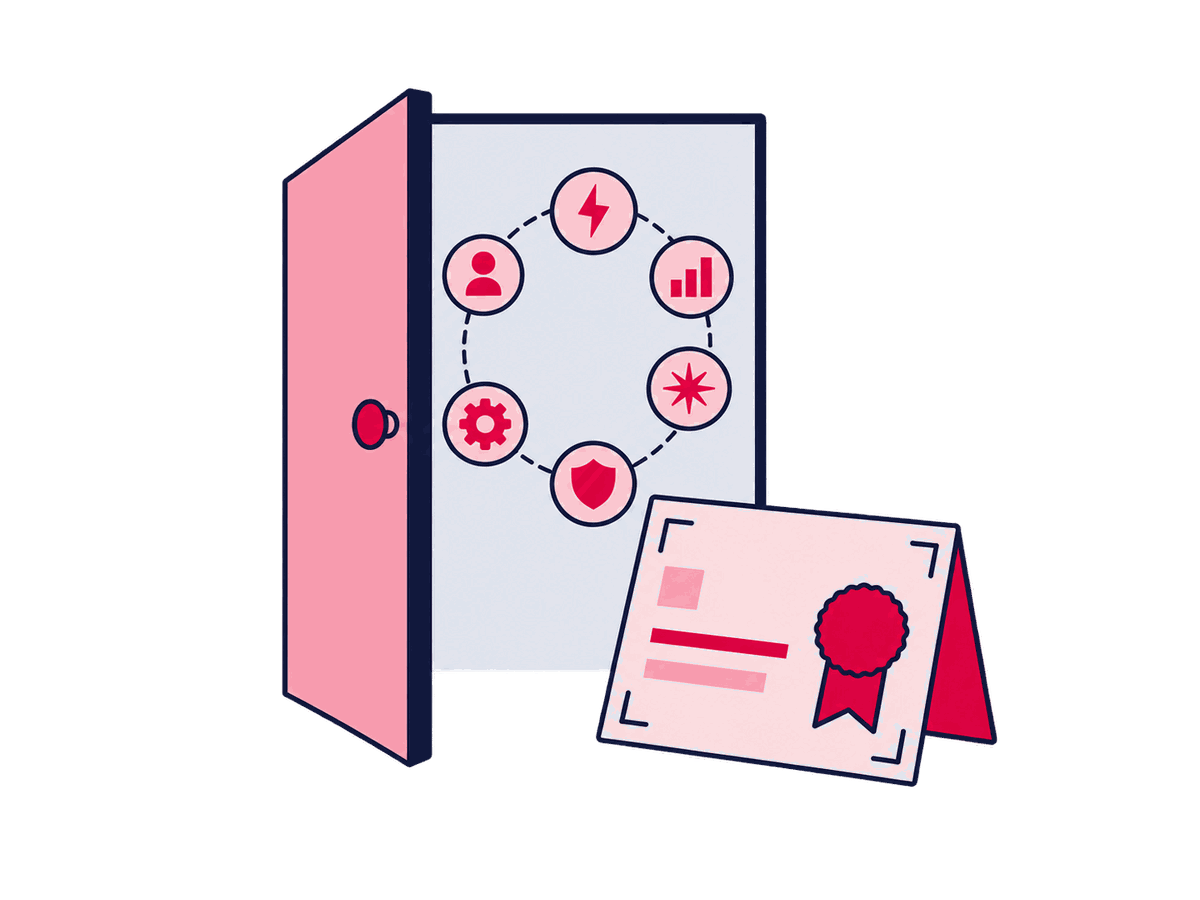
A restrained markup model in which every node, @id, and relationship agrees with the page's visible, verifiable claims.
Each template gets one page role and one primary entity. We remove duplicate or unsupported nodes, then validate the rendered production output. The draft isn't the acceptance state. Every JSON-LD block on the site says the same thing the page and the approved graph already say, checked on the live pages. Technical SEO and engineering leads whose templates each generate their own version of the same entity in structured data.
Some of the 500+ brands we've worked with
See all references


























From approved graph to production
From approved graph to live parity check
Five steps from the approved graph to a validated, deployed template.
How we hold ourselves to it
- One @id per template
- Visible-content parity
- Production gets checked
- No invented relationships
Map templates to entity roles
Every page gets one documented role and one permitted slice of the approved public graph before any markup is written. Content, entity, and technical owners approve each template's role and the graph boundary it's allowed to touch.
A template-to-entity map with the primary @id and the graph fragment each page is allowed to express.
Reconcile identifiers with the canonical graph
Current identifiers and canonical URLs get checked against the register before any relationship gets attached to them. The entity owner and an engineer approve merge, retain, or replace for every identifier that doesn't already match.
An identifier reconciliation register with merge, retain, or replace decisions for every @id.
Verify every relationship against evidence
Each proposed relationship gets checked for direction, an approved graph edge, and visible-page support before it ships. Domain, privacy, and legal owners approve relationship direction and reject anything unsupported or prohibited.
An approved relationship register that records every unsupported edge as an explicit rejection.
Remove duplicate and unsupported markup
Duplicate nodes and relationships the visible page can't support get traced and removed in a sequence that doesn't break dependent templates. Engineering, content, and entity owners approve the removal scope, migration order, and rollback plan.
A defect map with a safe removal sequence and affected-template dependencies.
Validate production syntax and parity
We parse the live JSON-LD and compare identifiers, edges, and visible facts on representative and edge-case pages after release. An independent technical SEO reviewer approves only output that passes the original graph and visible-parity rules.
A syntax, parity, and regression report from the actual deployed pages.


Template spec, then a parity check
The production markup contract
Engineering gets one implementable template specification, along with a metric showing whether live pages still match the approved model.
Entity markup audit
A rendered-page audit of duplicate identities, conflicting @id values, and edges the visible page doesn't support.
Schema relationship specification
Canonical nodes, directed edges, provenance, and explicit exclusions, mapped by template.
Reusable template implementation plan
Ownership, examples, and safe reference behavior included, so an editor can't accidentally recreate the duplication problem.
Graph parity rate
Measured on the live deployment, with the page set and the pass rule both agreed before we compare anything, so a passing draft that regresses in production doesn't get counted as a win.
Parity fixtures wired into your release pipeline
A release reruns the check when a template, identifier, or relationship changes. A previous pass isn't evidence that the markup stayed stable.
When markup outruns the page
Your page and JSON-LD tell different stories
Two templates emit two different @id values for the same organization, and the JSON-LD claims a relationship the visible copy never mentions.
A good fit when
- Every template invents its own markup — The about page, the product page, and the author bio each generate their own Organization node.
- The graph and the page disagree — A JSON-LD block asserts a "parentOrganization" relationship or a job title that the visible text on the same page never states.
- Identifiers drift across locales or templates — The English page and its localized variant use two canonical URLs, splitting one node into two.
- An approved entity graph already exists — This method implements an agreed canonical model, and a missing one goes to Entity Relationship Mapping first.
- Each template resolves to one primary @id — It also carries a documented purpose and a primary entity taken from the approved graph.
- Visible content must support every property — A fact belongs in JSON-LD only when a reader can verify it from the page's visible text.
- The deployed output needs its own check — A build step, a caching layer, or a CMS default can quietly change what ships. We check the live production output.
Better handled as other work when
- You want a guaranteed rich result — Correct markup makes a page eligible to be understood, and it forces no rich result, panel, or AI citation.
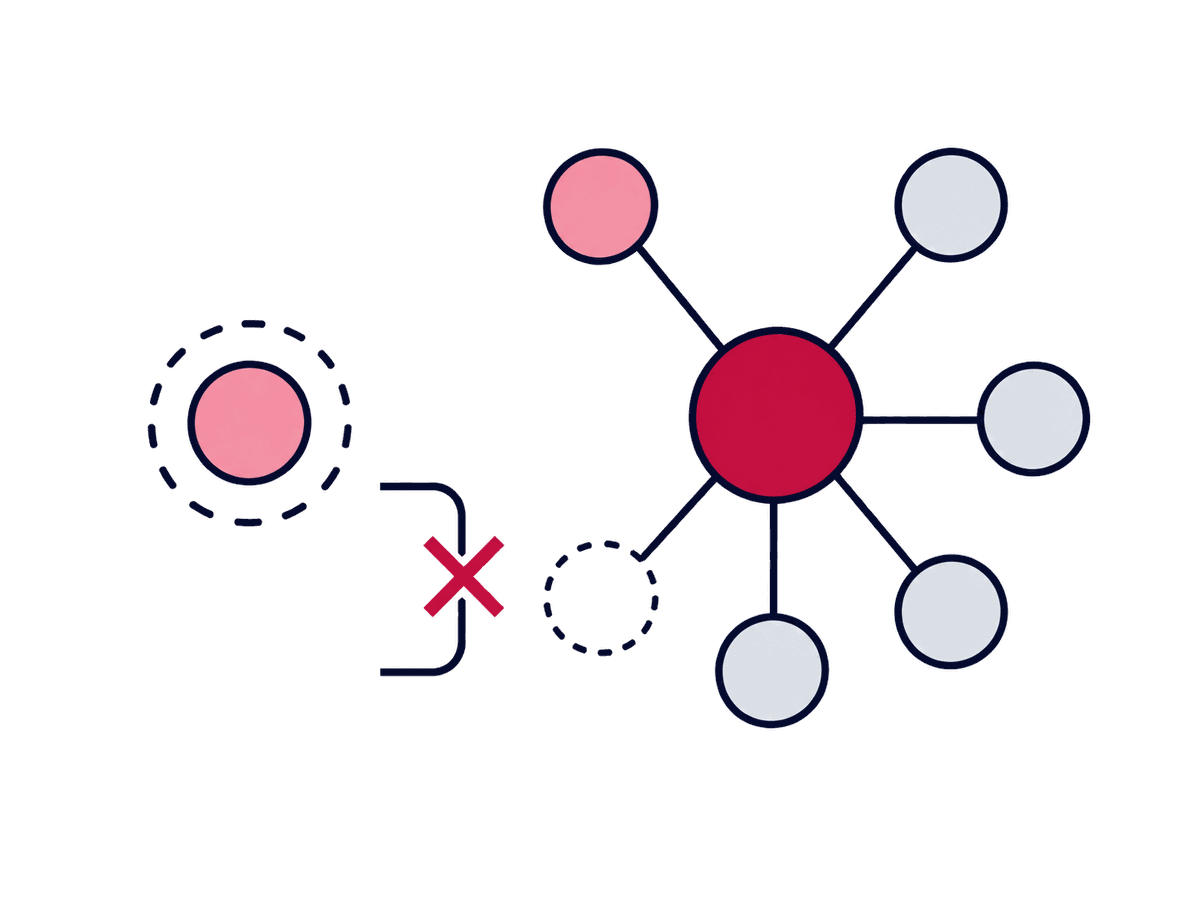
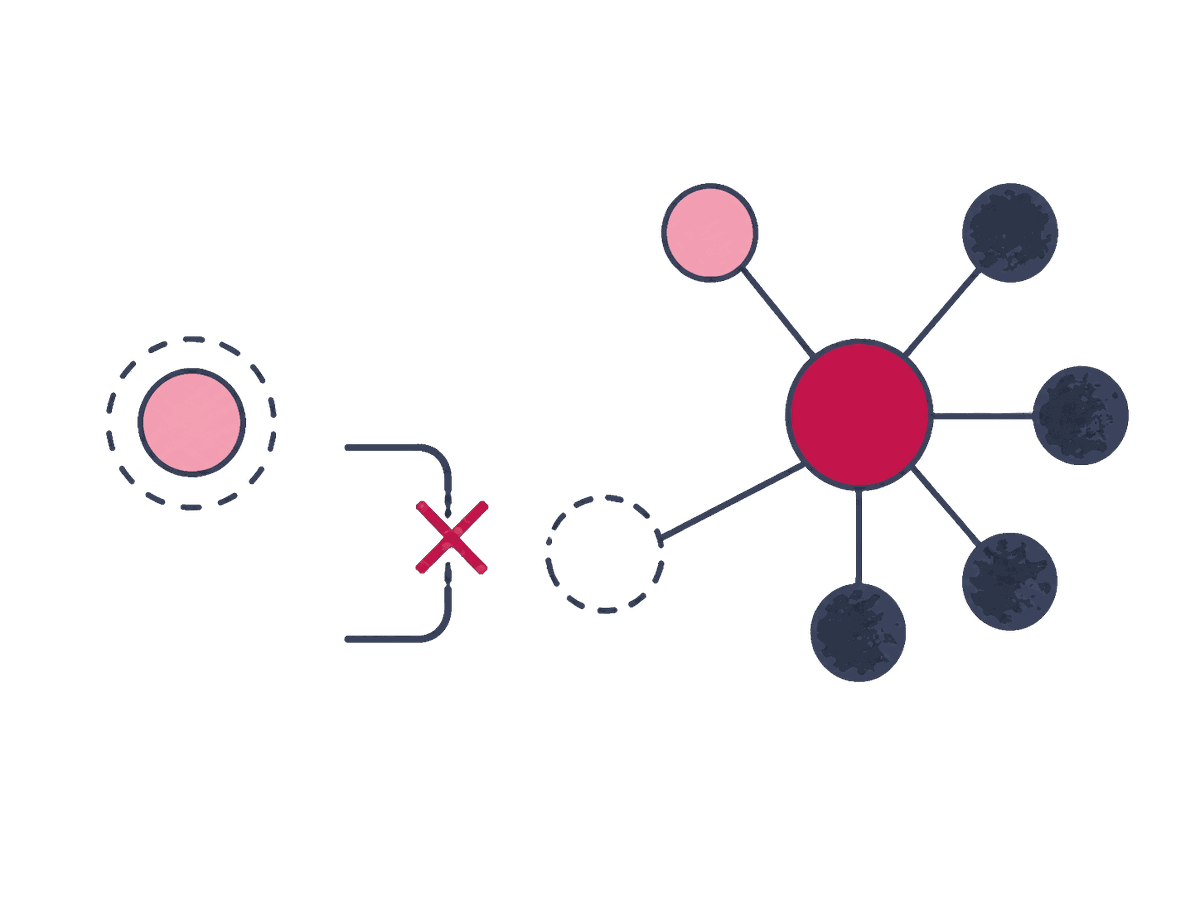
- Invented relationships are prohibited — Syntactically valid markup still fails when its meaning is false. Leaving the field empty is safer than inventing a value.
- You want the markup to guarantee an outcome — Markup earns eligibility, and a well-formed JSON-LD block still cannot manufacture a real relationship.
People who watch how AI cites a brand
GEO work starts with recording what AI answers actually say about a brand today, then moves to the parts you can influence. The consultants below work on the specific capability this page covers.

Samet Özsüleyman
SEO Manager

Elif Naz Akan Karakoç
Senior SEO Executive

Hande Parmaksız
SEO Manager

Ezgi Gülsen Yaylı
SEO Manager

Sena Önder
Senior SEO Executive

Ali Özgün Öz
SEO Executive

Aybüke Göktuna
Senior SEO Analyst

Bensu Tınastepe
Senior SEO Analyst

Ruhan Tiryaki
Senior SEO Analyst

Emir Kağan Kahveci
SEO Analyst

Mehmet Aktuğ
Co-Founder & COO

Metehan Urhan
New Business & Partnership Manager

Zafer Yıldız
Web Analytics Manager
Tools we use
Tools behind this work
 Schema App
authors the JSON-LD itself, tied to the one approved graph so duplicate nodes can't slip in
 InLinks
proposes the template's entity references from page content, keeping the graph fragment minimal
 Schema.org Validator
the vendor-neutral syntax check, separate from any one engine's own rules
 Google Rich Results Test
the live-parity check on rendered production output, not the draft
 Screaming Frog
extracts rendered JSON-LD across templates so duplicate @id values surface as a list
 Sitebulb
validates markup during the crawl and groups failures by the template that produced them
Nearby methods and services
Parent capability
Entity & Knowledge Graph Optimization
The capability page connects this markup work to canonical identity and relationship governance.
Upstream source
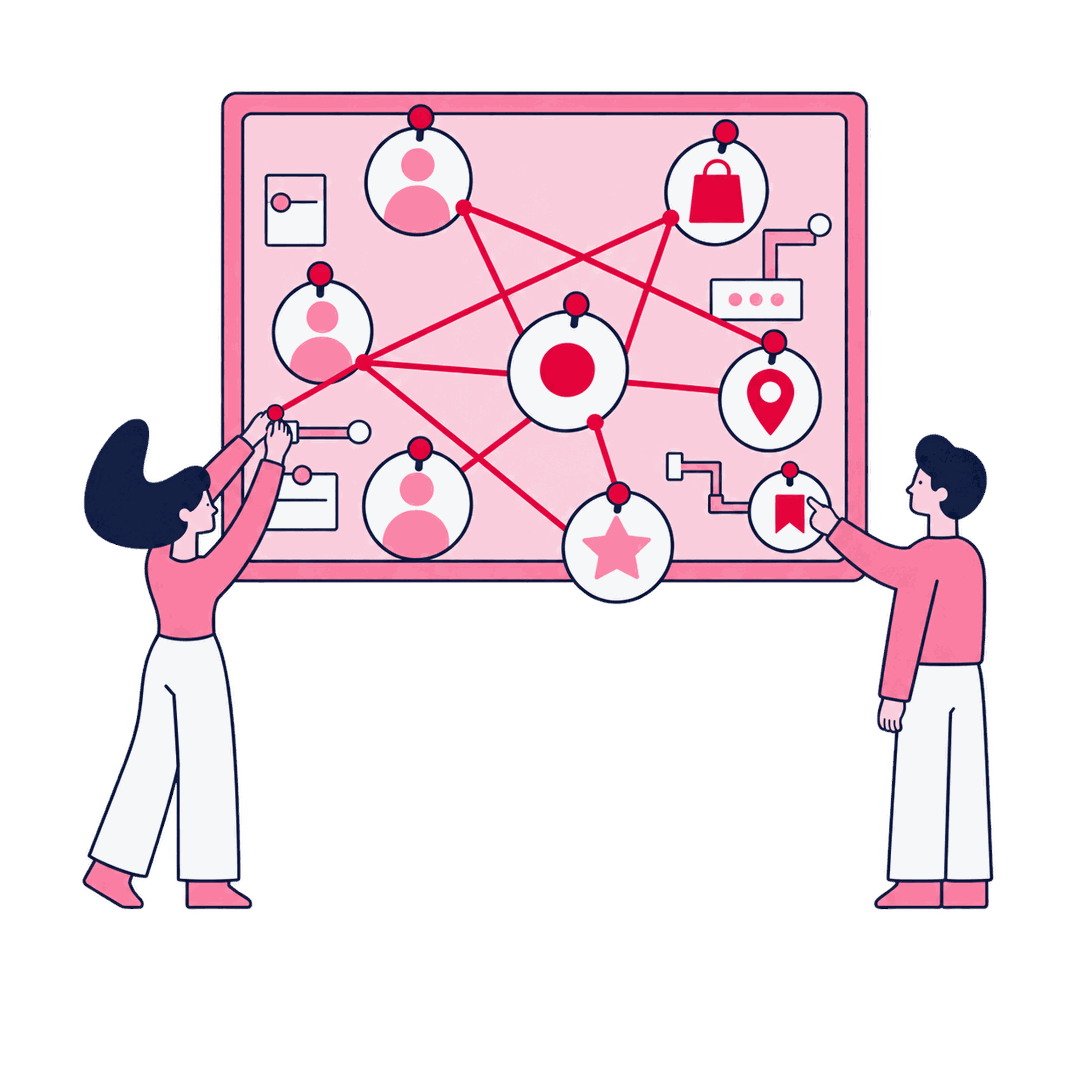
Entity Relationship Mapping
The approved relationship graph this method converts into markup (build the graph here first if it doesn't exist yet).
What the schema has to support
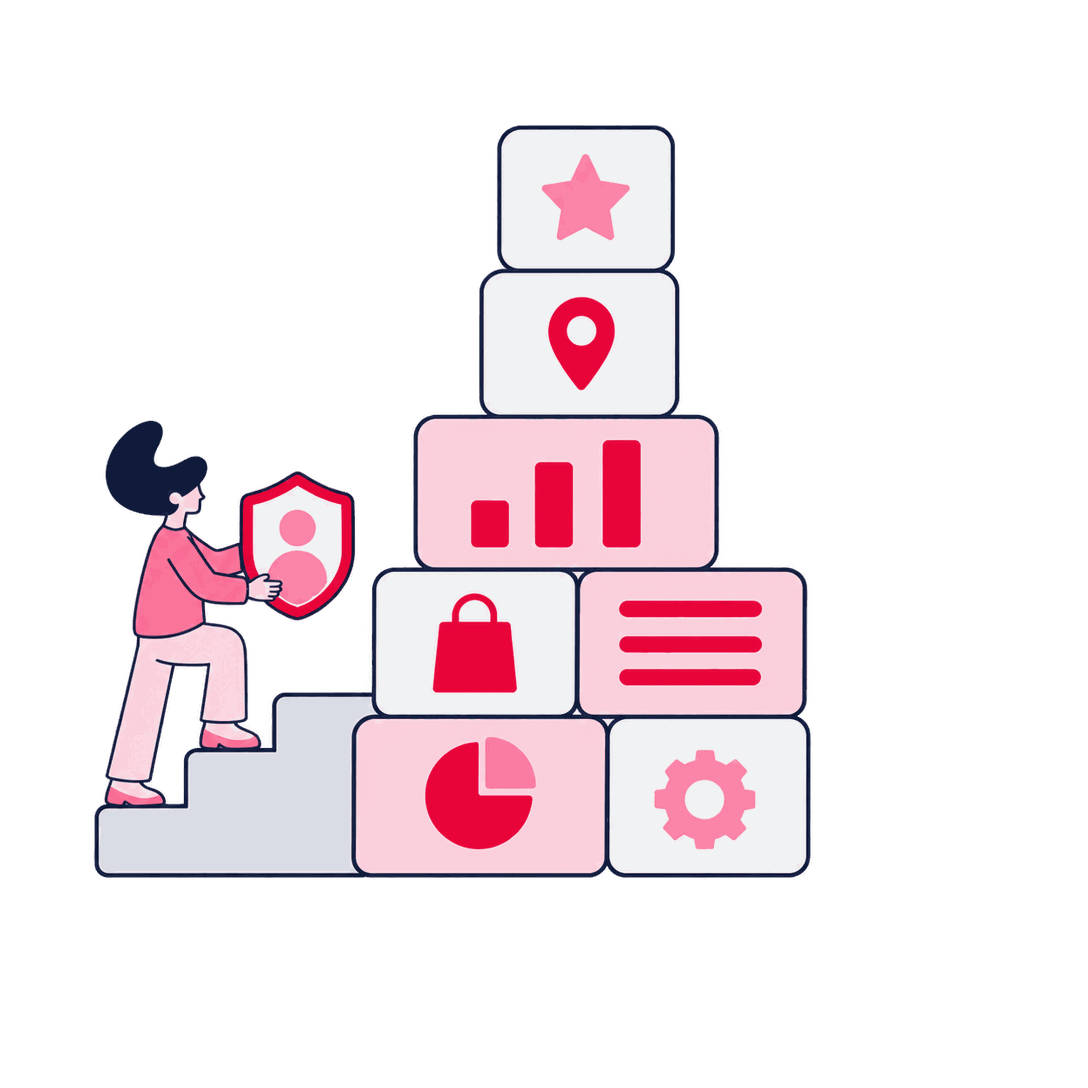
Topic & Entity Authority Architecture
Markup only helps when the surrounding topic coverage gives the entity adequate support.
Markup can only say what the page says
Check whether your JSON-LD matches the page