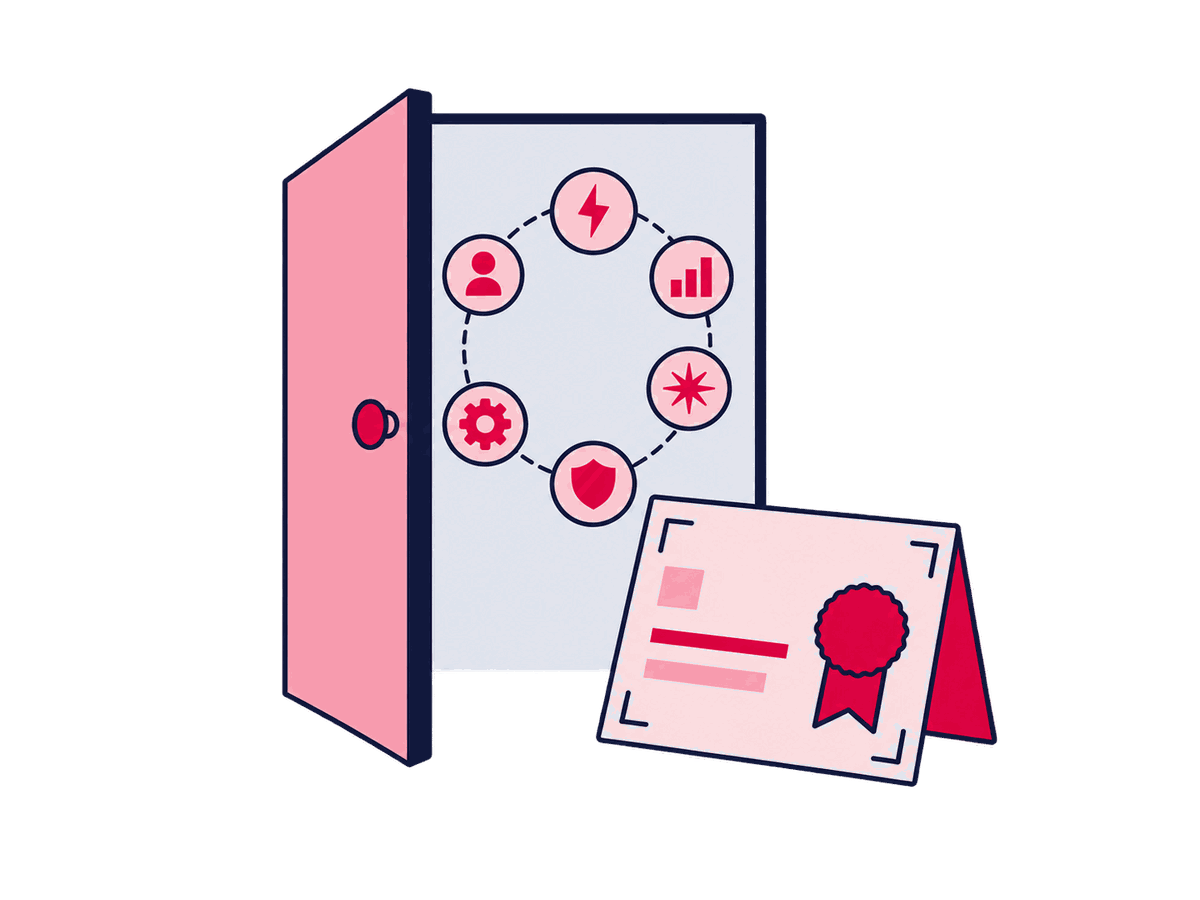






Commercial evidence with a visible unknown bucket
AI Referral & Assisted Conversion Measurement
Identifiable AI-referred visits are followed through on-site behavior and into approved assisted revenue paths, with the evidence boundary visible at every step.
Retained referrers and campaign markers are reconciled with consented behavior and approved conversion records. Direct, last-touch, assisted and unattributed journeys keep separate definitions, and observed association stays an association. You can see which identifiable AI-referred visits continue into approved behavior and assisted revenue records. Unidentifiable journeys remain in a visible unknown bucket. Analytics and growth leads deciding whether the next investment belongs in collection, attribution, the landing page or follow-up.


Some of the 500+ brands we've worked with
See all references















































Trace only approved joins
Agree the rules before connecting records
Taxonomy and consent boundaries are agreed before records meet. Session data connects to outcomes only after the event definitions, conversion windows and join rules have named approval.
How we hold ourselves to it
- Identified traffic only
- Unknown stays unknown
- Association isn't causation
- Windows fixed before comparison
Freeze the measurement dictionary
We draft the source rules from retained examples and put every exclusion on the record. The dictionary is not frozen until every exclusion carries a reason and a named owner on the record.
Versioned referrer, event, window and evidence-state specification.


Validate collection coverage
We replay representative journeys across tags, consent states, events and approved joins. The known collection gaps are accepted in writing before any coverage figure is used in a comparison.
Coverage report for tags, consent states, events and joins.


Classify referral sessions
The frozen rules then run against every retained source signal, and ambiguous cases stay visible. A sampled review of each session state has to agree with the classification before the ledger is published.
Session ledger with direct, campaign, ambiguous and unknown states.


Reconstruct approved journeys
Eligible events connect to conversion records inside the fixed windows and the authorized identity rules. No journey enters the path table until it clears the fixed window and the authorized identity rule.
Path table connecting entries, events and eligible conversion records.


Separate direct and assisted outcomes
Each observed layer is calculated against the set of sessions it actually applies to. Each metric is released only after the owner confirms which decision it may and may not support.
Metric table where every number names the sessions it was counted against, with no two definitions overlapping.


Publish limits and next actions
We write down the coverage gaps, the non-results and the decision each owner can take from them. The interpretation ships only when the coverage gaps and the non-results are stated alongside it.
Decision report for instrumentation, landing pages or no action.


A replayable commercial record
Outputs another analyst can reproduce
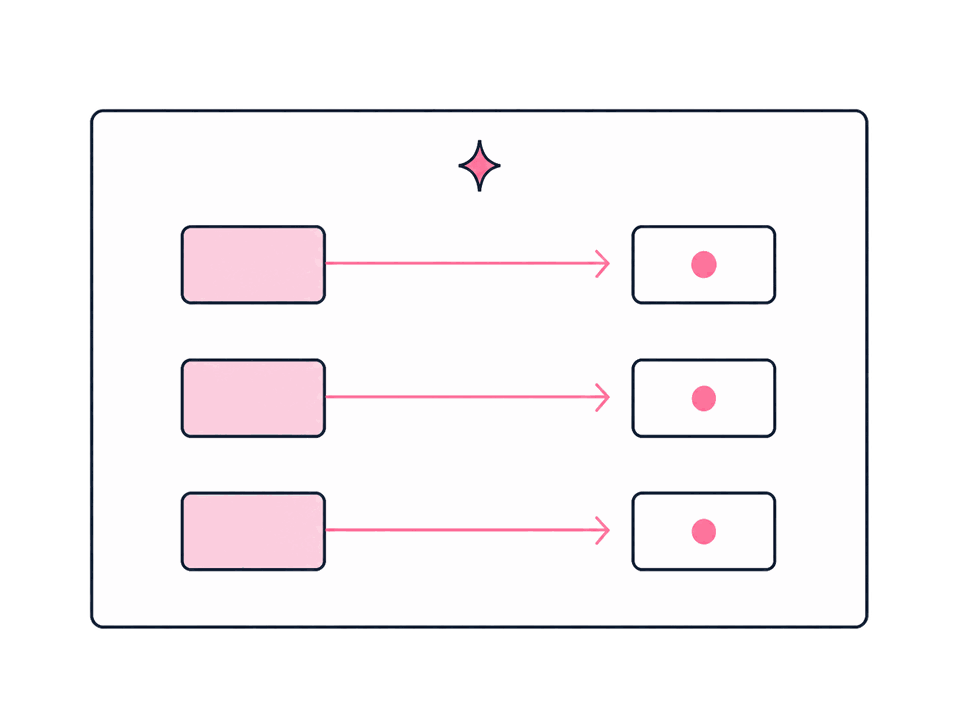
Another analyst can replay the source rules, exclusions, joins and formulas. Unknown records remain beside identified journeys, where their effect on the revenue total is visible.
Measurement dictionary
Every chart and query cites it.
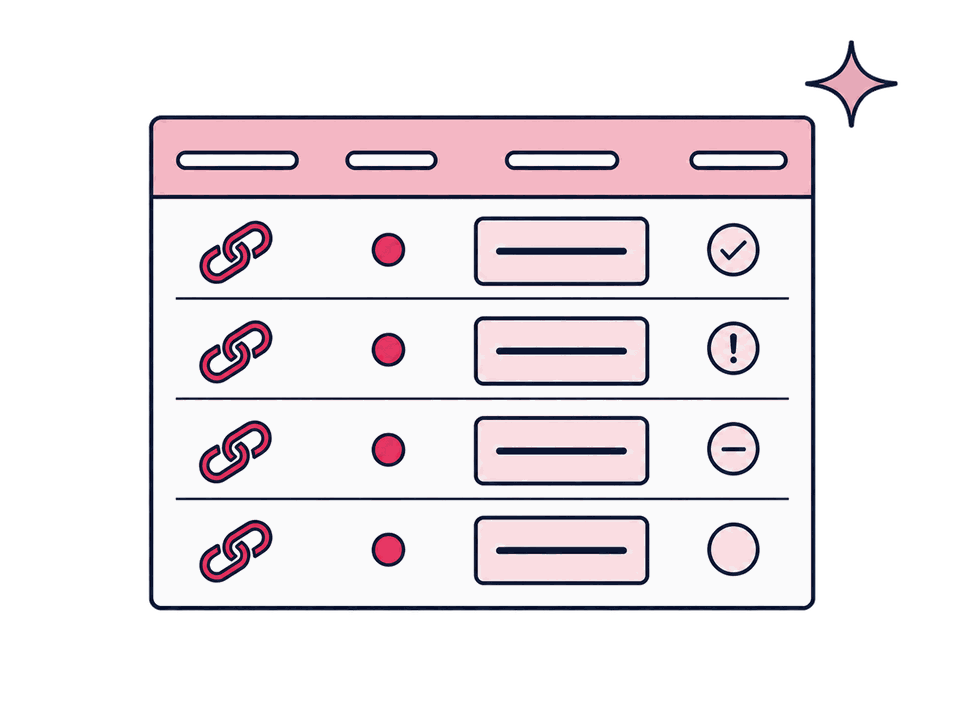

Referral-session ledger
Raw examples support sampled review.
Assisted-journey table
Unmatched records stay visible.


Decision report
No unsupported revenue attribution.


Identified AI referral count
The headline number for identified traffic. It isn't total AI influence.
Start with source evidence
When an AI-referred journey can be inspected
A retained referrer or approved campaign marker gives the investigation a defensible starting point. The team then keeps direct, last-touch and assisted paths separate before deciding whether collection, the landing page or follow-up needs attention.
A good fit when
- AI referrer labels disagree — Retained examples lack a tested taxonomy.
- Journeys cross sessions or systems — Approved CRM joins still leave matching limits.
- Investment is blocked — The task measures, but doesn't optimize, the page.
- A visit has an approved AI source marker — Landing-page topic alone cannot identify the platform.
- Site behavior is mixed with source — The report keeps them separate.
- Assisted paths blur into last touch — The fixed window must keep both definitions apart.


Better handled as other work when
- Prompt visibility is the question — Answer monitoring owns model exposure.
- Unknown AI visits need a total — This work leaves visits unknown.
- Direct traffic is assigned to AI — No retained source supports it.
People who watch how AI cites a brand
GEO work starts with recording what AI answers actually say about a brand today, then moves to the parts you can influence. The consultants below work on the specific capability this page covers.

Hande Parmaksız
SEO Manager

Sinem Bakır Yavaş
Senior SEO Executive

Elif Naz Akan Karakoç
Senior SEO Executive

Sena Önder
Senior SEO Executive

Ali Özgün Öz
SEO Executive

Aybüke Göktuna
Senior SEO Analyst

Gülşah Şahin Özkan
Senior SEO Analyst

Ruhan Tiryaki
Senior SEO Analyst

Yağmur Bayram
Sr. SEO Analyst

Mehmet Aktuğ
Co-Founder & COO

Metehan Urhan
New Business & Partnership Manager

Ataberk Yüzat
SEO Executive

Deniz İmre Temiztürk
Content Specialist
Tools we use
Tools behind this work
 Google Analytics
the consented session and conversion record every AI-referral journey gets reconciled against
 Similarweb
the channel-level classification a retained referrer string is checked against before reconciliation
 Google Tag Manager
implements the frozen measurement dictionary as live events, under the approved consent states
 BigQuery
holds the raw session and conversion records the approved joins are replayed against
 Looker Studio
renders the unknown bucket beside the identified journeys, where its effect stays visible
 Jupyter
runs the journey-reconciliation join as a documented, rerunnable notebook
Nearby methods and services
Canonical capability
AI Visibility Monitoring & Answer Accuracy
Commercial measurement sits beside answer and source monitoring on the capability page.


Sibling method
Brand Mention & Share-of-Model Tracking
Answer exposure belongs to this sibling method. Referral measurement starts once identifiable traffic reaches the site.
Cross-service dependency
Web Analytics Consultancy
Web analytics owns the wider collection architecture, consent design and tagging foundation.
Unknown traffic stays labeled unknown
Use the journeys that kept their source