



A working lifecycle · LLMOps & AI Observability
LLMOps & Model Lifecycle Platform Implementation
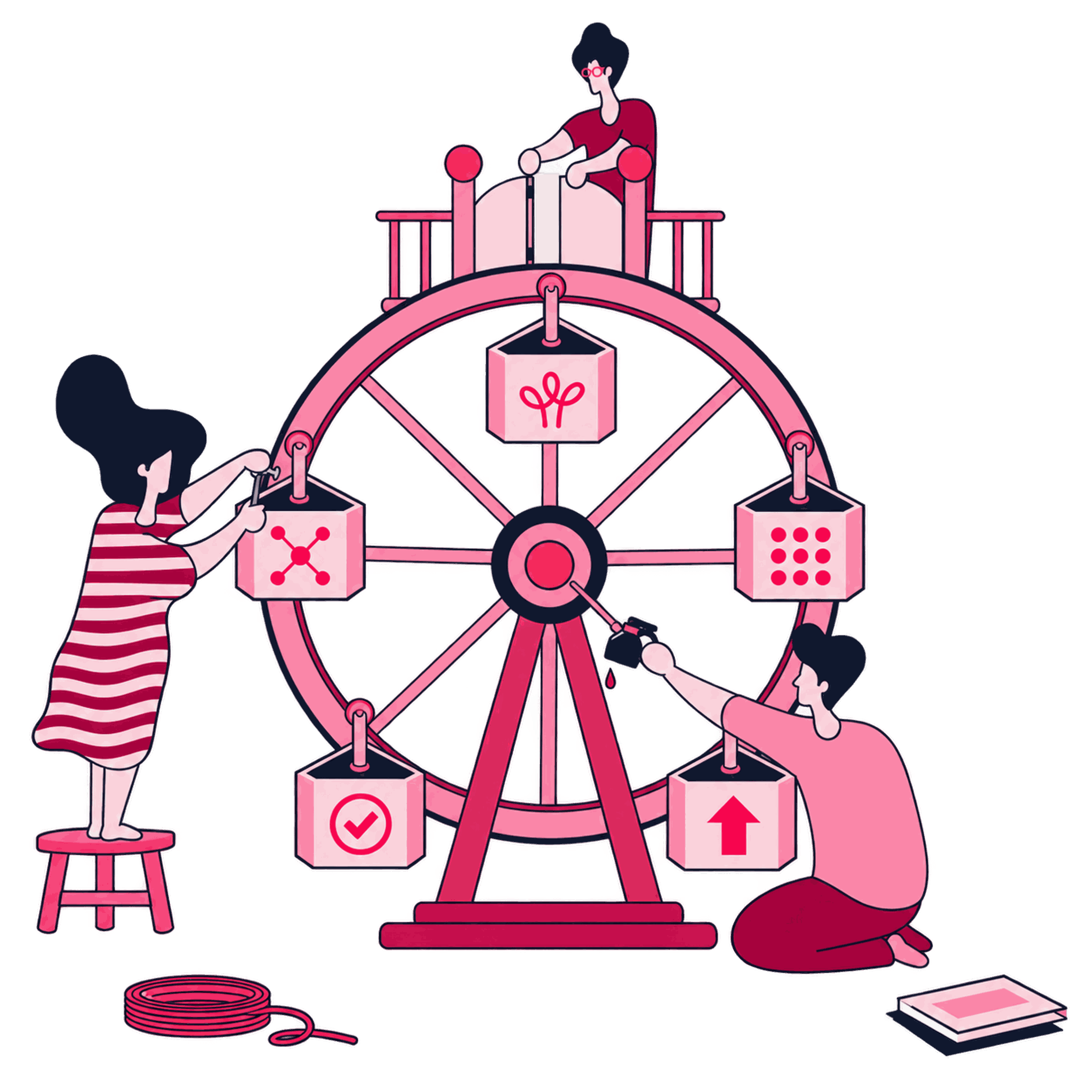
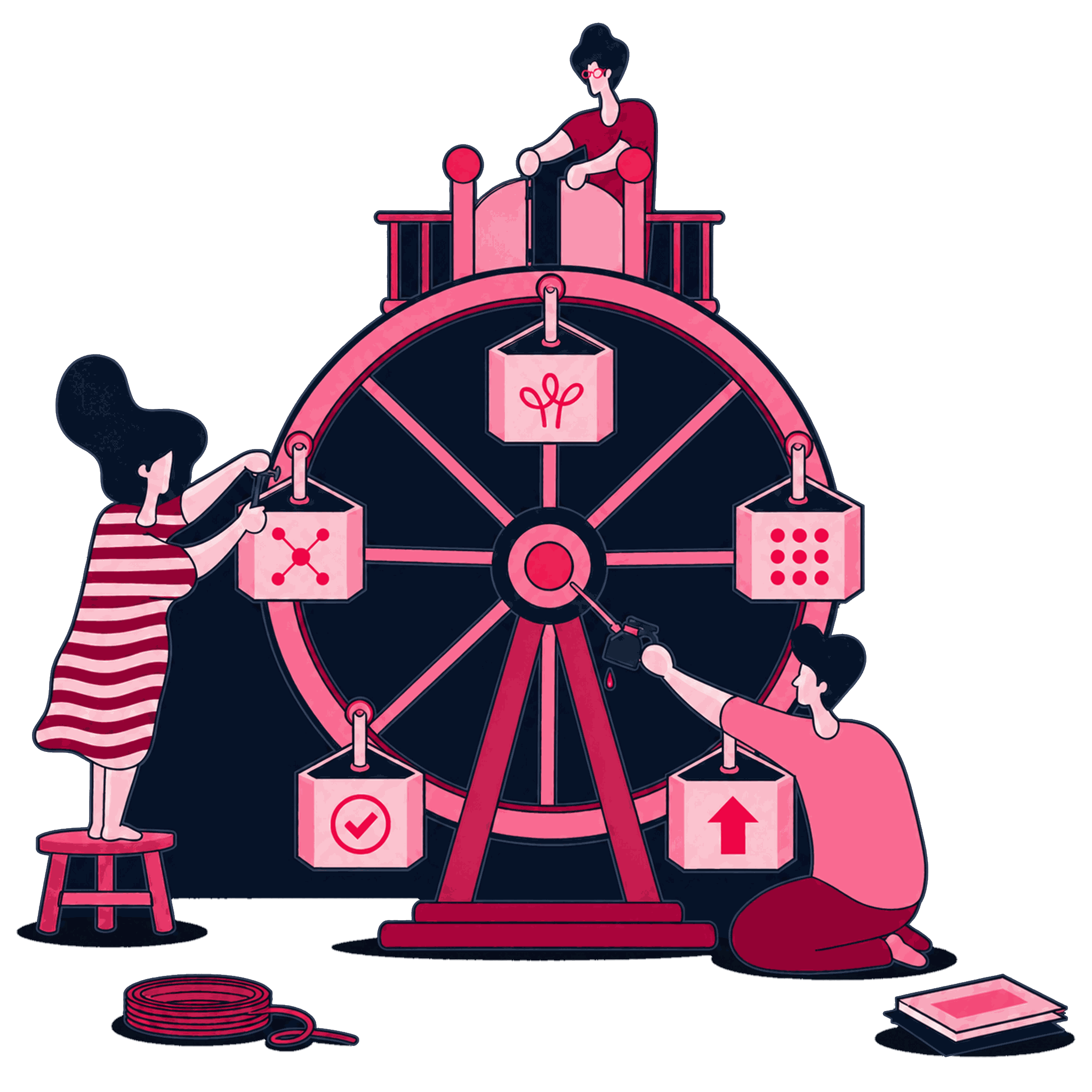
A working LLMOps lifecycle must carry versions, evaluation evidence, approvals, promotion state, monitoring findings, and rollback lineage through one connected path.
We build a working lifecycle for models, prompts, data, evaluations, deployments, monitoring, approvals, and lineage. Your team can see which version moved, what evidence supported it, who approved it, and how it behaves in operation. One representative change travels the tested lifecycle slice end to end, from versioned artifact to monitored deployment, with the evidence that approved each move attached to it.
Some of the 500+ brands we've worked with
See all references

































The run order, and who signs each step off
How we work
We prove one complete lifecycle slice before expanding the platform, giving each integration a clear purpose and owner.
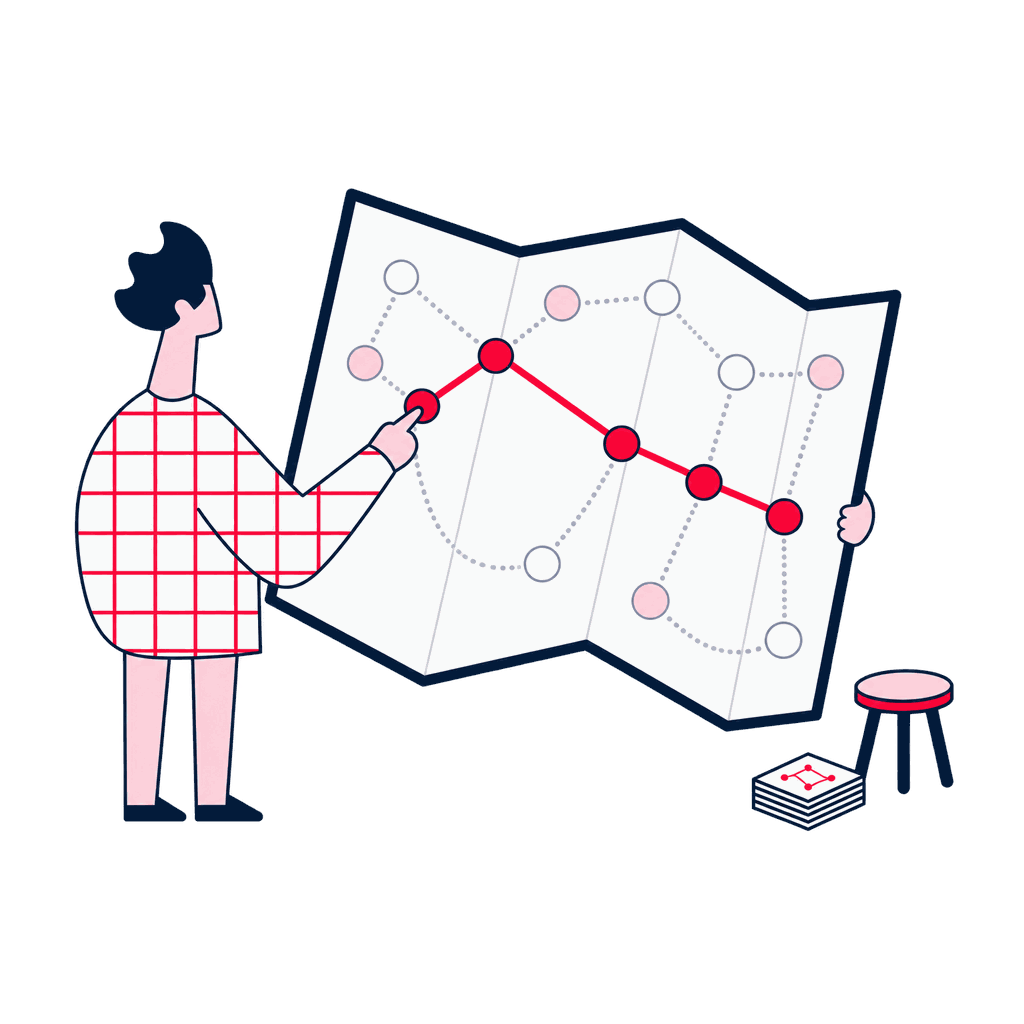
Map the lifecycle
We trace how models, prompts, data, evaluations, deployments, monitoring events, approvals, and lineage move through the current systems. Your platform owner confirms the first lifecycle slice and its acceptance path.
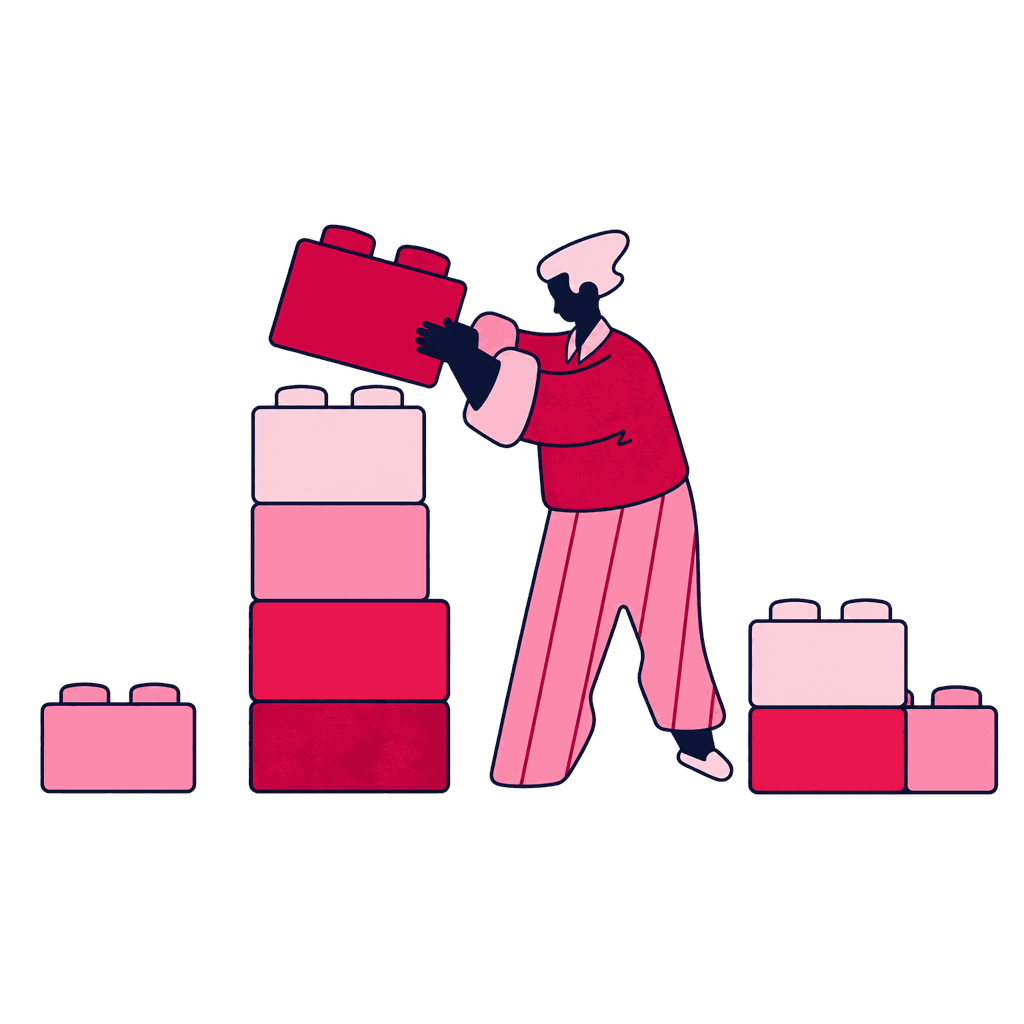
Build the thin slice
We implement the smallest useful path from versioned artifact through evaluation gate and environment promotion, using the systems that already fit. Engineering confirms one representative change moves through with evidence attached.

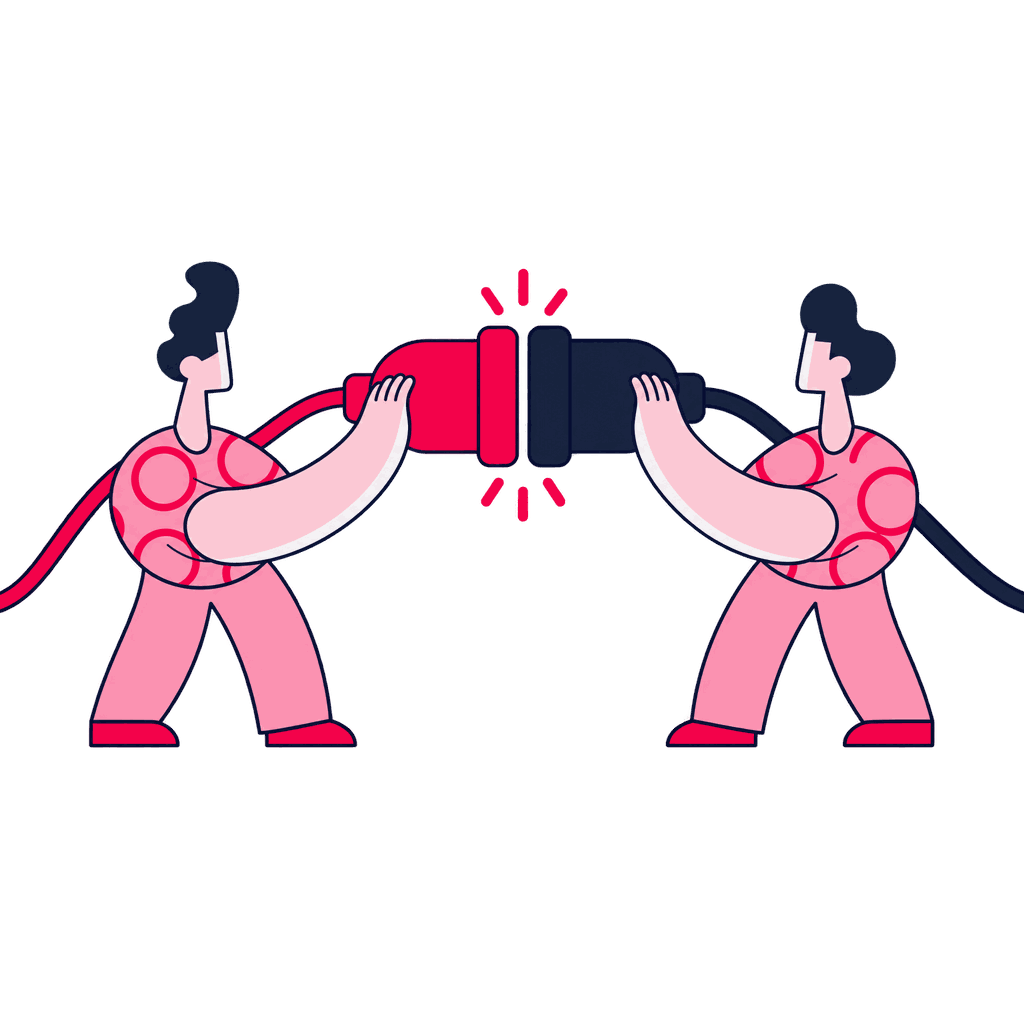
Integrate operating controls
We connect identities, approvals, exceptions, monitoring, rollback, and lineage so the platform records both normal flow and blocked changes. Your platform owner confirms consequential decisions stay in human hands.
Test and hand over
We run representative and adverse cases to check promotion, rollback, dependencies, and the operating handoff. Your platform owner accepts the tested behavior before handoff.
Named artifacts you keep
What you get
The output is a tested lifecycle slice plus the architecture, evidence, exceptions, and ownership needed to operate and extend it.
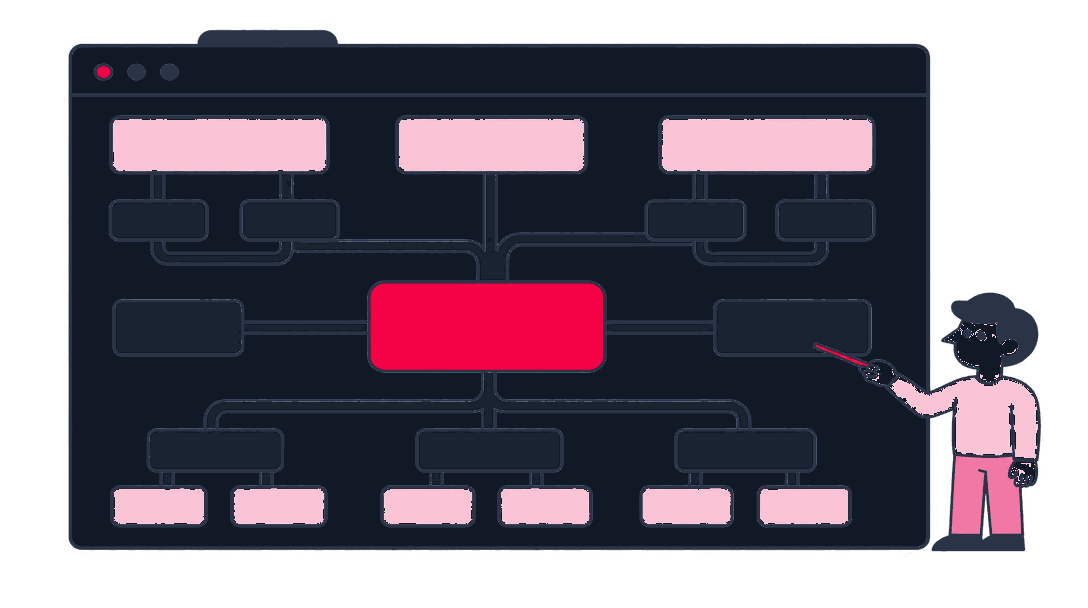
Architecture document
Working lifecycle implementation and control map
A working lifecycle path for versioning, evaluation, promotion, monitoring, approval, rollback, and lineage in the agreed scope.
Risk register
System dependencies and platform constraints ledger
The source systems, integration dependencies, assumptions, constraints, exceptions, owners, and unresolved decisions behind the platform.
Test evidence
Promotion, rollback, and blocked-approval findings report
Test results for the normal path, blocked approvals, missing evidence, failed promotion, rollback, and monitoring linkage.
Decision record
Accepted roles, permissions, and extension-priority list
The accepted scope, operating roles, permissions, open conditions, extension priorities, and next review point.
Scope and honest limits
When to bring us in
Experiments can reach production, but their versions, evidence, approvals, and operating history do not travel together yet.
A good fit when
- Model, prompt, data, and evaluation versions sit in separate systems, so nobody can reconstruct the exact configuration that reached production.
- Promotion depends on manual coordination, yet the approval evidence and lineage trail do not travel with the version moving between environments.
- Monitoring shows a production problem, but the finding cannot be linked back to the evaluation evidence and configuration behind that deployment.
- Version records exist across several tools, but model, prompt, data, deployment, and monitoring workflows do not share one lineage path.
- The lifecycle architecture names environments and identities, yet system dependencies and blocked exception paths remain implicit.
- A representative artifact can be versioned, but evaluation gates, promotion, and rollback controls are not connected in one working slice.
- Acceptance tests run, yet the operating owner lacks documentation that ties behavior to named responsibilities.

Better handled as other work when
- You want every engineering tool replaced even though a smaller integration can carry versioning, evidence, and approvals through the lifecycle.
- Platform automation should approve production risk or policy exceptions. Those consequential decisions remain with the people named in the operating model.
- You need unrelated model or application features built alongside the lifecycle slice. Those product changes require their own scope.
If one of these is closer to your situation, start here instead: View the parent service
We operate the systems we test
It's hard to test a system well if you've never had to keep one running. We operate production AI ourselves, so our evaluation, security testing, and LLMOps work starts from what actually breaks. The people on it are senior engineers, and Zeo has been doing client work since 2011.

Yiğit Konur
Founder & Chief Strategy Officer

Can Mutioğlu
Senior SEO Executive

Burak Pehlivan
Co-founder & CEO

Aybüke Göktuna
Senior SEO Analyst

Ataberk Yüzat
SEO Executive

Ezgi Gülsen Yaylı
SEO Manager

Elif Naz Akan Karakoç
Senior SEO Executive
Content we've produced on this topic
Tools we use
Tools behind this work
 PromptLayer
versions prompts as first-class lifecycle artifacts with release labels
 Confident AI / DeepEval
attaches repeatable evaluation evidence to every promotion gate
 Langfuse
links released versions to their real production traces and outcomes
 Datadog
connects lifecycle events to deployment, infrastructure, and incident telemetry
 MLflow
registers model versions, evidence, stages, approvals, and promotions
 DVC
DVCversions datasets and pipeline inputs beside the released code
Adjacent work
Where this leads
Operations
AI Trace & Quality Monitoring
LLMOps platforms integrate real-time tracing infrastructure to track invocation costs, latency spikes, and evaluation scores in production.


Operations
AI Cost & Latency Optimization
Automated model registry and routing capabilities enable dynamic traffic switching between frontier models and low-cost distilled endpoints.


Operations
AI Production Readiness & Release Engineering
CI/CD pipelines managed within the LLMOps platform automate pre-deployment evaluation, canary testing, and containerized model rollout.
Next step
Connect one complete lifecycle
Before you decide