












Enterprise Knowledge System Strategy & Architecture
A knowledge architecture becomes approvable when source authority, access, freshness, retrieval, evaluation, and operating ownership meet in one design that every responsible team can challenge.
When source rules, access decisions, and operating duties sit in different teams, the system has no single shape. We turn those decisions into an architecture your teams can challenge, approve, and run. Your teams can point at the accepted target architecture, say which failure paths we tested, name the owner of each dependency, list the assumptions still unresolved, and hold the review point before implementation.
Some of the 500+ brands we've worked with
See all references







































The run order, and who signs each step off
How we work
We start with the decisions the system must support. Architecture options follow, and each one is tested against actual sources, access conditions, dependencies, and owners.
Map jobs and authority
We name the knowledge jobs and connect each one to its trusted sources, users, access conditions, freshness expectations, and decision owner. Conflicting ownership is treated as an architecture issue from the start. Your knowledge owner confirms the priority jobs and source owners.


Design architecture options
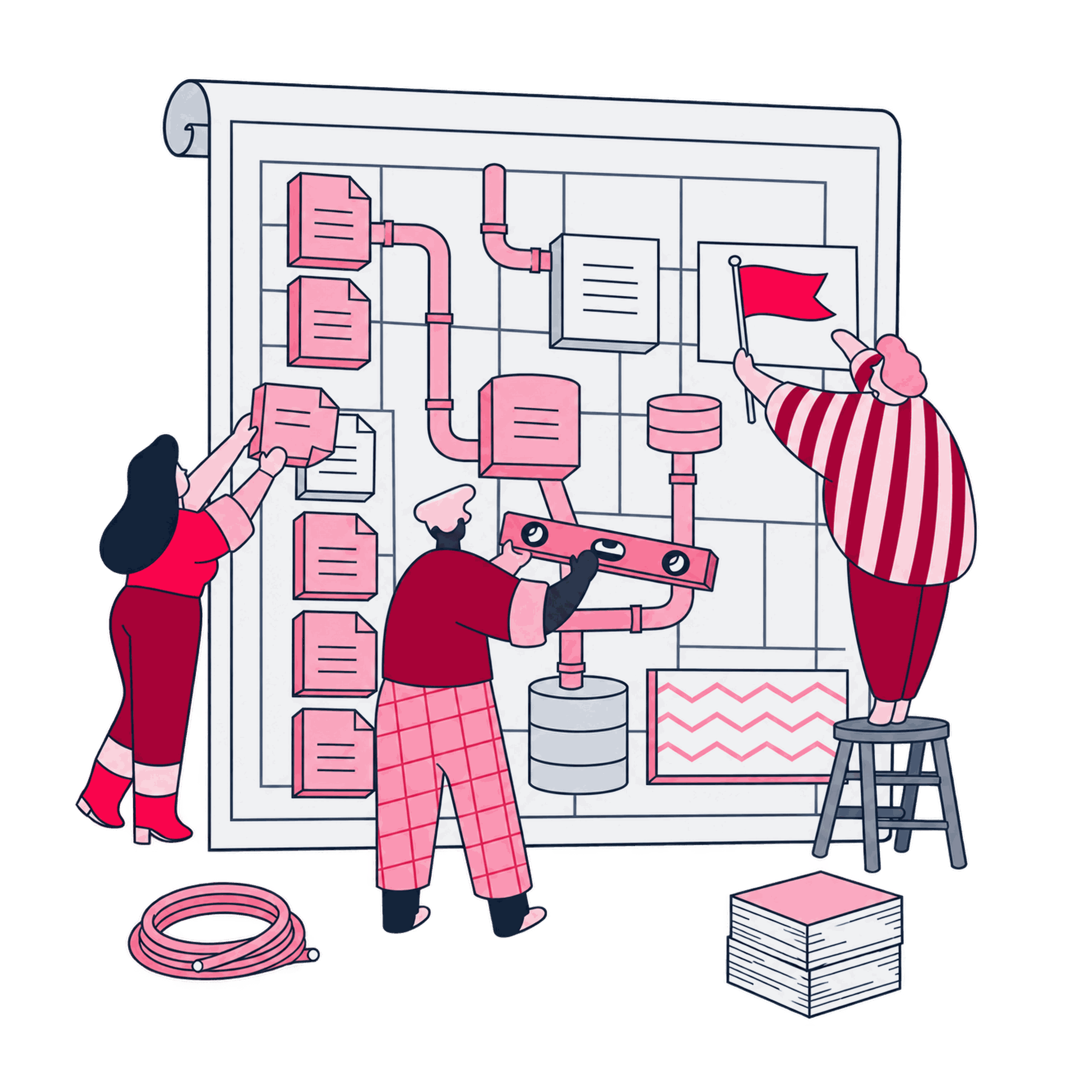
For each option, we show how information enters the system, how access and retrieval work, how quality is reviewed, and who operates each part. The diagram carries its dependencies and exceptions with it. Your architecture authority picks the option worth recommending.
Test the recommendation
Representative examples and failure paths put the preferred option under pressure. If a critical exception has no credible owner or response, the design returns to the comparison table. Your architecture authority accepts or sends back the tested recommendation.

Record ownership and handoff
The final record explains the selected option, the conditions behind it, what remains unanswered, and who acts next. Your architecture authority accepts both the design and the operating duties it creates. Your authority accepts the recommendation and its operating obligations.


Named artifacts you keep
What you get
Your teams receive the design together with the reasoning and obligations behind it, so implementation does not begin from an unexplained diagram.
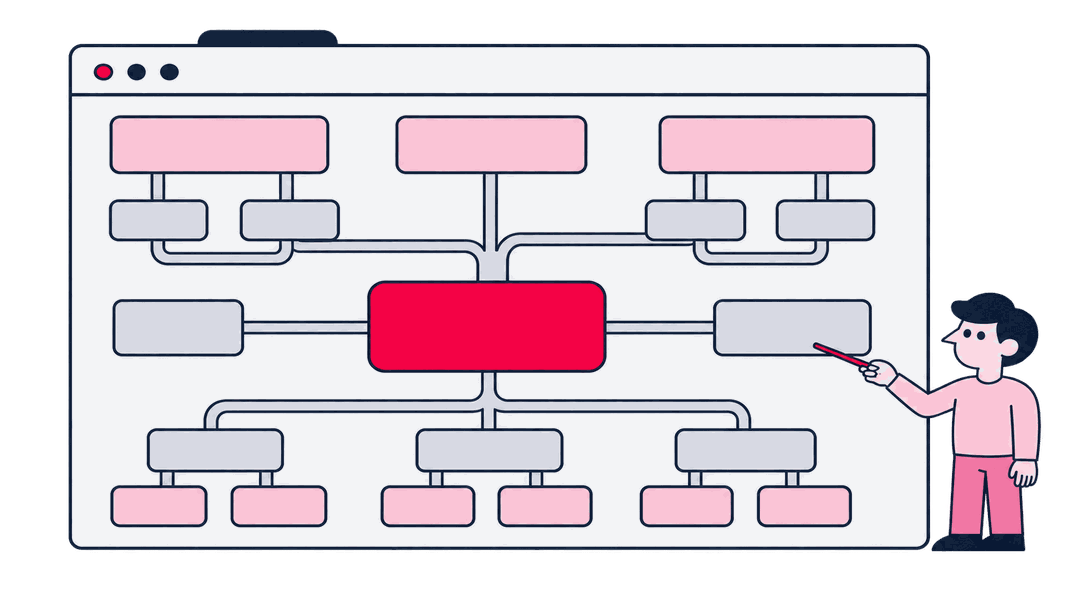
Architecture document
Enterprise knowledge-system architecture document
The proposed source, ingestion, retrieval, access, freshness, evaluation, and ownership design for the priority knowledge jobs.
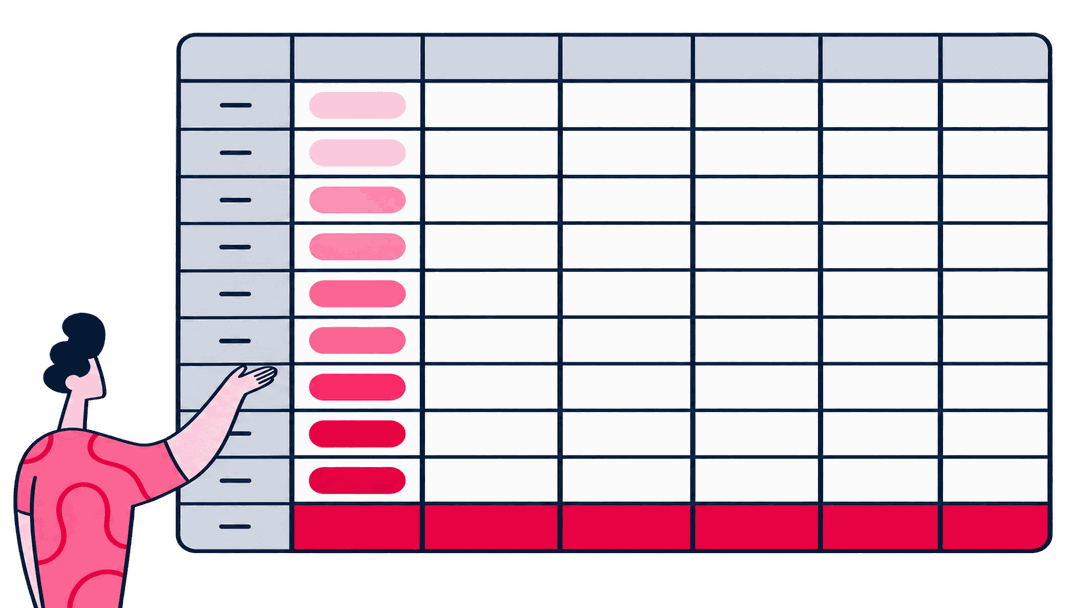
Risk register
Priority-job source evidence and dependency map
The representative evidence behind the recommendation, plus assumptions, cross-team dependencies, and unresolved questions.
Test evidence
Knowledge-architecture failure-path findings report
Acceptance cases, failure paths, critical exceptions, and the results used to challenge the preferred architecture.
Decision record
Accepted option, owner, and operating-duty brief
The accepted option, conditions, remaining uncertainty, owners, operating obligations, and next review point.
Scope and honest limits
When to bring us in
This work fits when several teams own pieces of the knowledge path but nobody owns the whole design.
A good fit when
- Priority knowledge jobs have been named, but trusted sources, access conditions, and owners still conflict across the teams expected to run them.
- Source authority, freshness, retrieval, access, and evaluation decisions sit in separate tools, so the knowledge system has no single design.
- An architecture choice is waiting, while nobody has accepted the operating duties and cross-team dependencies that follow from it.
- Each team has designed its own part of ingestion, retrieval, and access, but the ownership boundaries do not meet in one architecture.
- Several options exist, yet representative sources and failure paths have not shown which dependencies or exceptions would make the preferred architecture fail.
- Implementation is ready to start from a diagram, while acceptance tests, exception decisions, and the handoff owner remain unsettled.
- Critical assumptions remain open, but no decision record names who resolves them or when the architecture returns for review.
Better handled as other work when
- You need legal, regulatory, audit, or certification approval for the access design. The source-evidence document informs that judgment, and your authority makes it.
- You want a vendor chosen before representative sources and failure paths are tested, but product selection needs its own evidence and procurement review.
- You need the production system built or operated. This advisory work ends with an accepted target design, and implementation needs a separate scope.
If one of these is closer to your situation, start here instead: View the parent service
Engineers who ship production AI
This is the part of Zeo that writes and ships code. Our senior engineers build agents, chatbots, and RAG pipelines, along with the automation and data work around them, and they keep operating those systems once they're live. We've worked with more than 500 brands since 2011.







Tools we use
Tools behind this work
 LlamaIndex
the framework letting more than one architecture option get prototyped quickly
 Pinecone
the managed vector store giving one architecture option a known, published operating profile
 Qdrant
the self-hosted vector store option compared directly against the managed alternative
 Weights & Biases
the experiment log keeping architecture-option comparisons reproducible across runs
 Jupyter
the notebook running the option comparison as a shown, rerunnable result
Adjacent work
Where this leads
Build
Enterprise RAG Development
Strategic knowledge architecture defines the taxonomy and ingestion standards implemented in production RAG systems.


Build
Access-Controlled RAG
Knowledge governance policies establish document sensitivity levels and permission models enforced at retrieval time.
Assurance
RAG Evaluation & Groundedness Testing
Enterprise taxonomy and truth-source hierarchies provide the ground-truth benchmarks used in factual evaluation testing.
Next step
Make the architecture decision before the build begins
Before you decide