






Corporate AI Training & Literacy
Role-Based Workforce AI Training
Role-based training has to follow the work itself, because competence means different tasks, tools, data boundaries, and decisions for each audience.
An analyst, support lead, marketer, and developer may share one AI tool, but they don't share the same job or failure points. We give each audience practice built around its tasks, approved tools, data boundaries, and decisions, then hand reinforcement to managers and champions. An analyst and a developer share the tool but not the failure points, so each role on your team works through its own competency map, exercise pack, assessment findings, and manager reinforcement plan.

Some of the 500+ brands we've worked with
See all references

































The run order, and who signs each step off
How we work
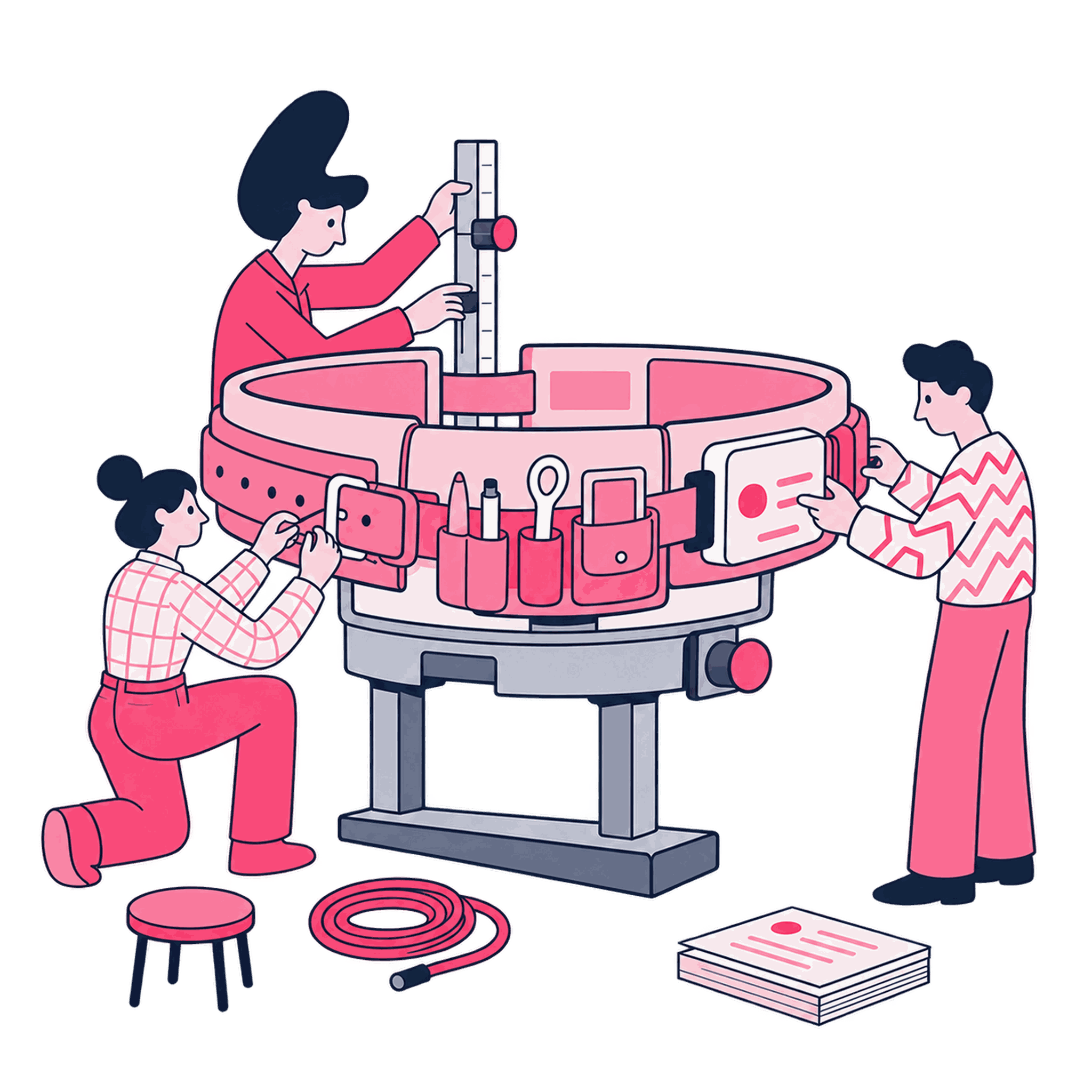
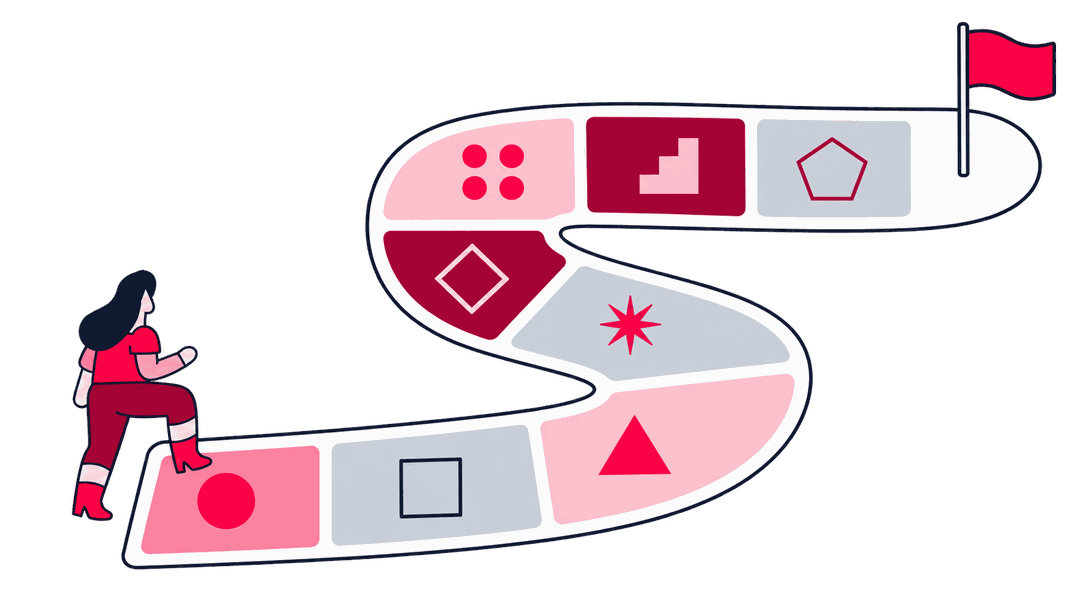
Each path follows one role from task mapping through practice, assessment, and support after the session.
One role, one competence target
We identify the tasks, approved tools, data rules, current capability, accessibility needs, and failure points for each audience. Your learning owner confirms each learning path's task and competence target.


Practice resembles the job
We turn representative work into demonstrations, guided labs, verification checks, and safe-use decisions at the right depth for the role. The facilitator confirms exercises don't expose prohibited data or systems.
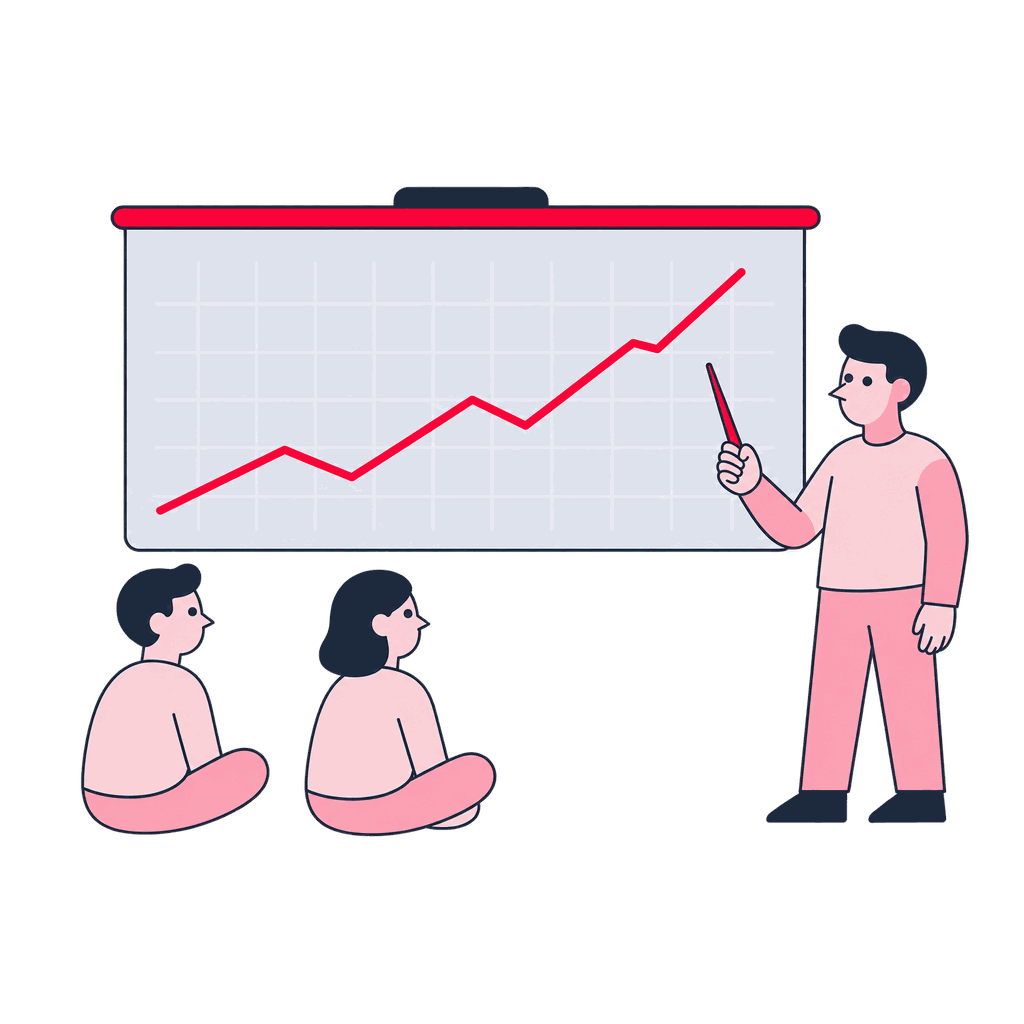
The skill has to be shown
Participants complete realistic scenarios and explain how they checked the output, handled uncertainty, and followed policy. The facilitator judges whether the response shows usable judgment.
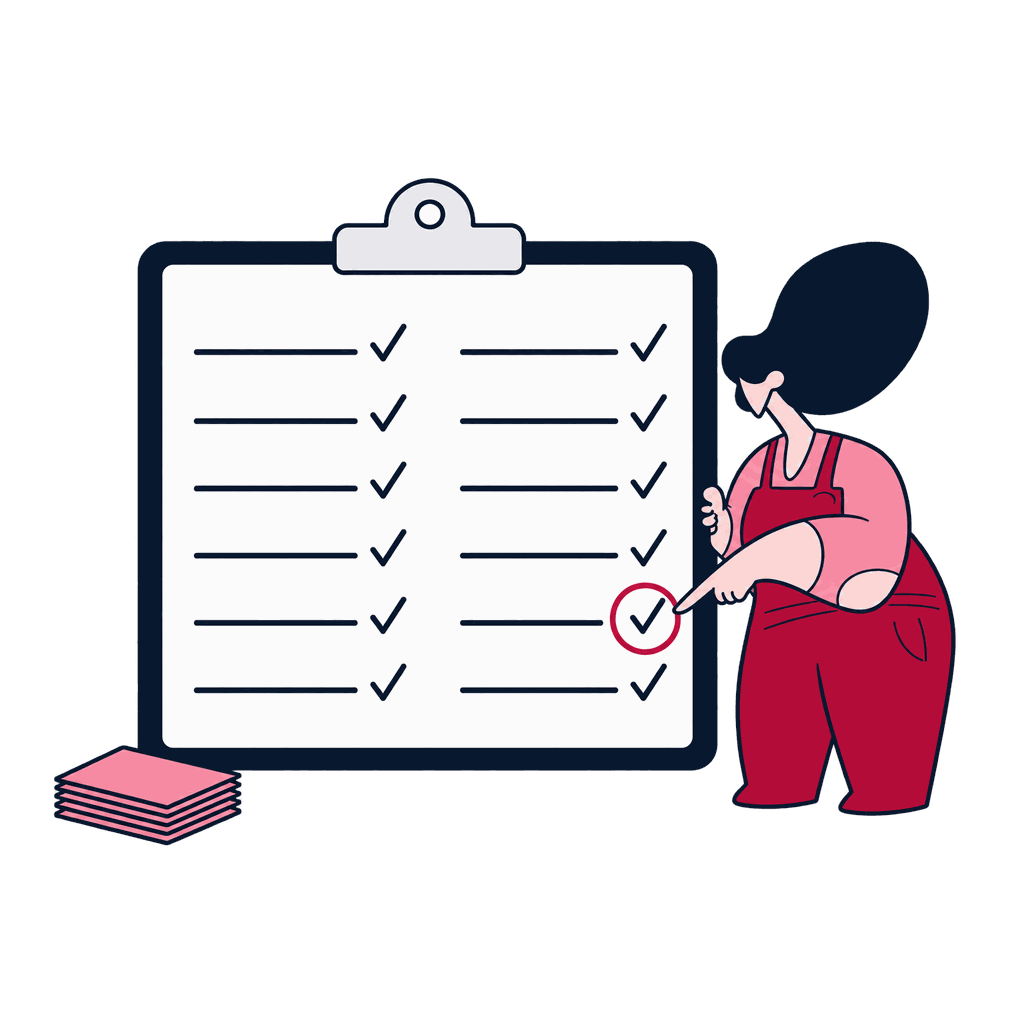
Managers carry it into work
Managers and champions receive job aids, coaching prompts, and review points for 30, 60, and 90 days where appropriate. Managers accept the reinforcement plan and their coaching role.


Named artifacts you keep
What you get
What each role learns stays connected to the task used for practice, the assessment evidence, and the support a manager or champion must continue.

Curriculum
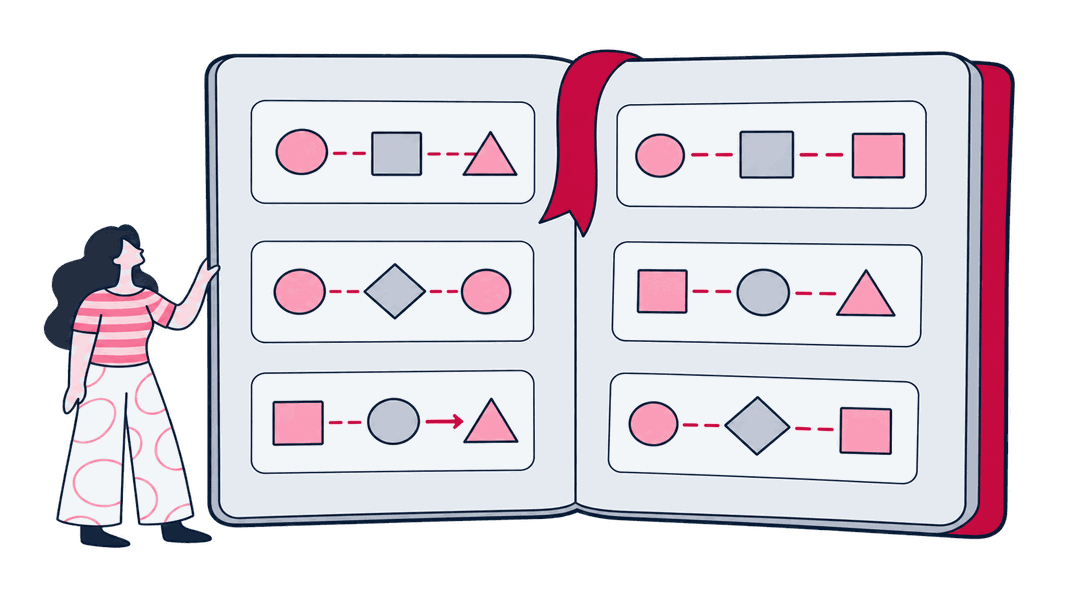
Role-task competency and policy map
Learning objectives, approved workflows, policy boundaries, and competence expectations for each audience.

Workshop record
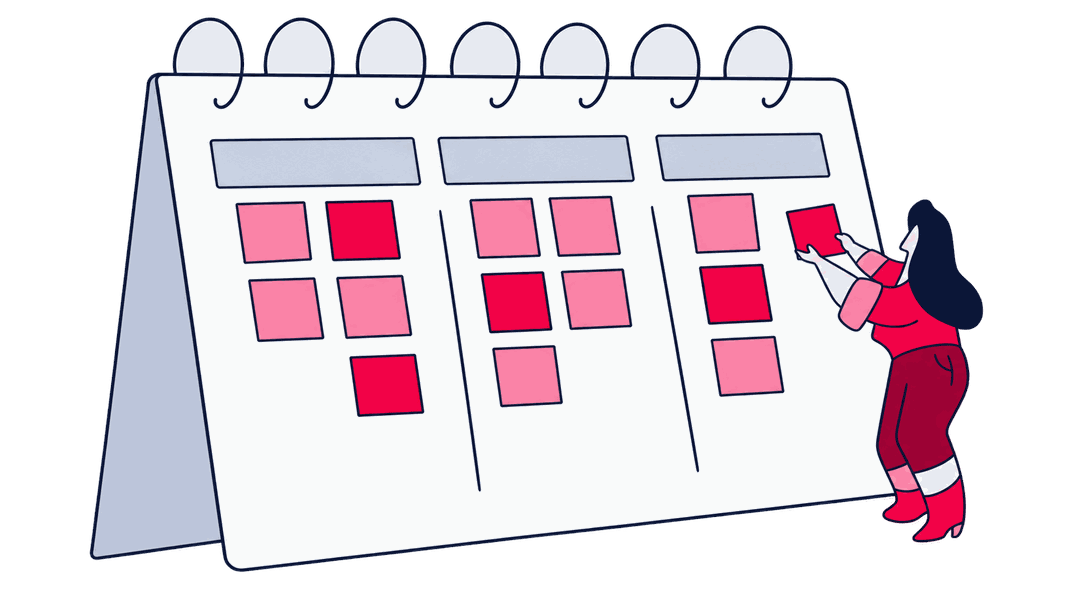
Representative-work lab exercise pack
Representative activities that let participants practice approved workflows with instructor feedback.
Test evidence
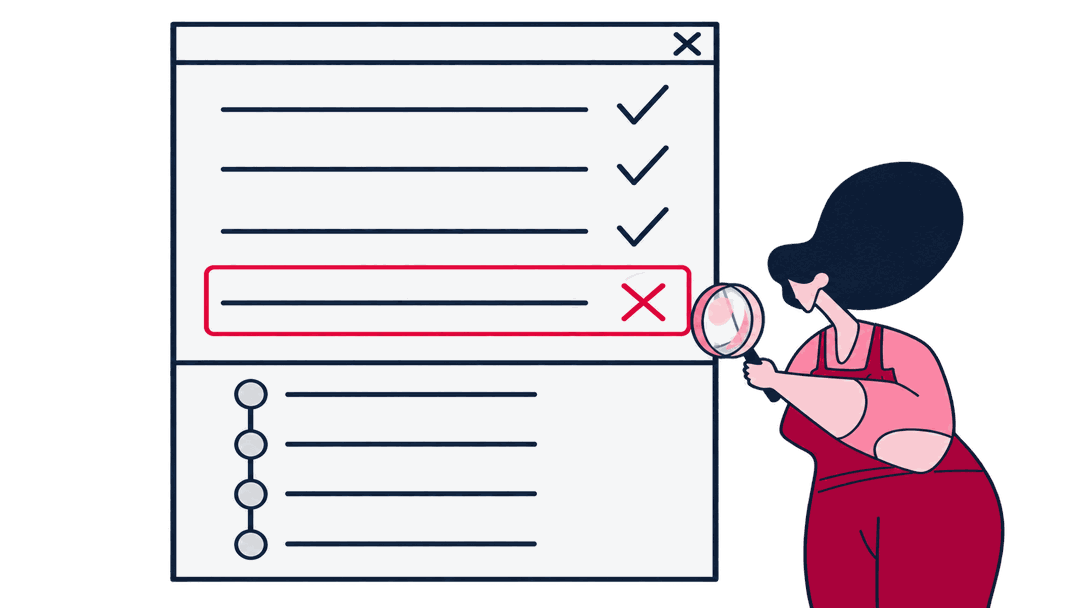
Task-performance assessment rubric and findings
Criteria and results for evaluating task completion, verification, safe use, and judgment.
Playbook
Role-specific job aids and manager reinforcement plan
Role-specific reminders, manager prompts, support routes, and follow-up review points.
Scope and honest limits
When to bring us in
A broad AI introduction loses usefulness when roles use different tools, handle different risks, and make different decisions. This work gives each audience practice that fits its day job.
A good fit when
- Several teams have the same AI tool, but analysts, support leads, marketers, and developers use it for different work and decisions.
- Examples from a general AI session sound familiar, but employees cannot apply them to the representative tasks they handle each day.
- Managers want to see what participants can demonstrate and keep the practice going after training.
- Roles share an AI tool, but their tasks, policy boundaries, starting levels, and competence targets have never been mapped side by side.
- Representative work exists, yet the general course has no role-specific demonstrations or labs that let people practice it safely.
- Participants can produce a fluent answer, while the training does not show how they use context safely, verify output, or handle an exception.
- Managers receive attendance records, but they lack scenario evidence, job aids, and follow-up points for coaching each role after the session.


Better handled as other work when
- You want the course to teach unapproved tools or use sensitive work examples without permission. Those choices need separate tool and data approval.
- Attendance or self-reported confidence must serve as competence evidence. This program requires representative scenarios and a role-specific rubric.
- One curriculum and one level of depth must cover every audience. Analysts, support leads, marketers, and developers need different task practice.
If one of these is closer to your situation, start here instead: See corporate AI training
Your trainers build AI for a living
The people who run our training build and operate AI systems the rest of the week, so the material comes from work we've shipped. Zeo has been around since 2011 and runs the Digitalzone conference community, which keeps us close to how teams across the industry are picking these tools up.

Didem Himmetli
Marketing Executive

Aybüke Göktuna
Senior SEO Analyst

Samet Özsüleyman
SEO Manager

Deniz İmre Temiztürk
Content Specialist

Ozan Ketenci
VP of Consulting & Strategy

Ezgi Gülsen Yaylı
SEO Manager

Elif Naz Akan Karakoç
Senior SEO Executive
Content we've produced on this topic
Tools we use
Tools behind this work
 OpenAI
one of the models a role's practice exercises actually run against
 Anthropic
the second model, matched to whichever role's approved tool is Claude specifically
 Microsoft Azure AI
represents the enterprise-hosted deployment some role tracks actually use
 n8n
n8nruns the actual automation workflow a developer or support track practices on
 Hugging Face
gives technical roles a self-hosted exercise path matching their real approved tooling
 Jupyter
runs the technical-track competence assessment as inspectable, gradeable work
Adjacent work
Where this leads


Enablement
Executive AI Literacy
Departmental training programs deliver tangible capability gains, giving leadership empirical evidence of workforce transformation.

Enablement
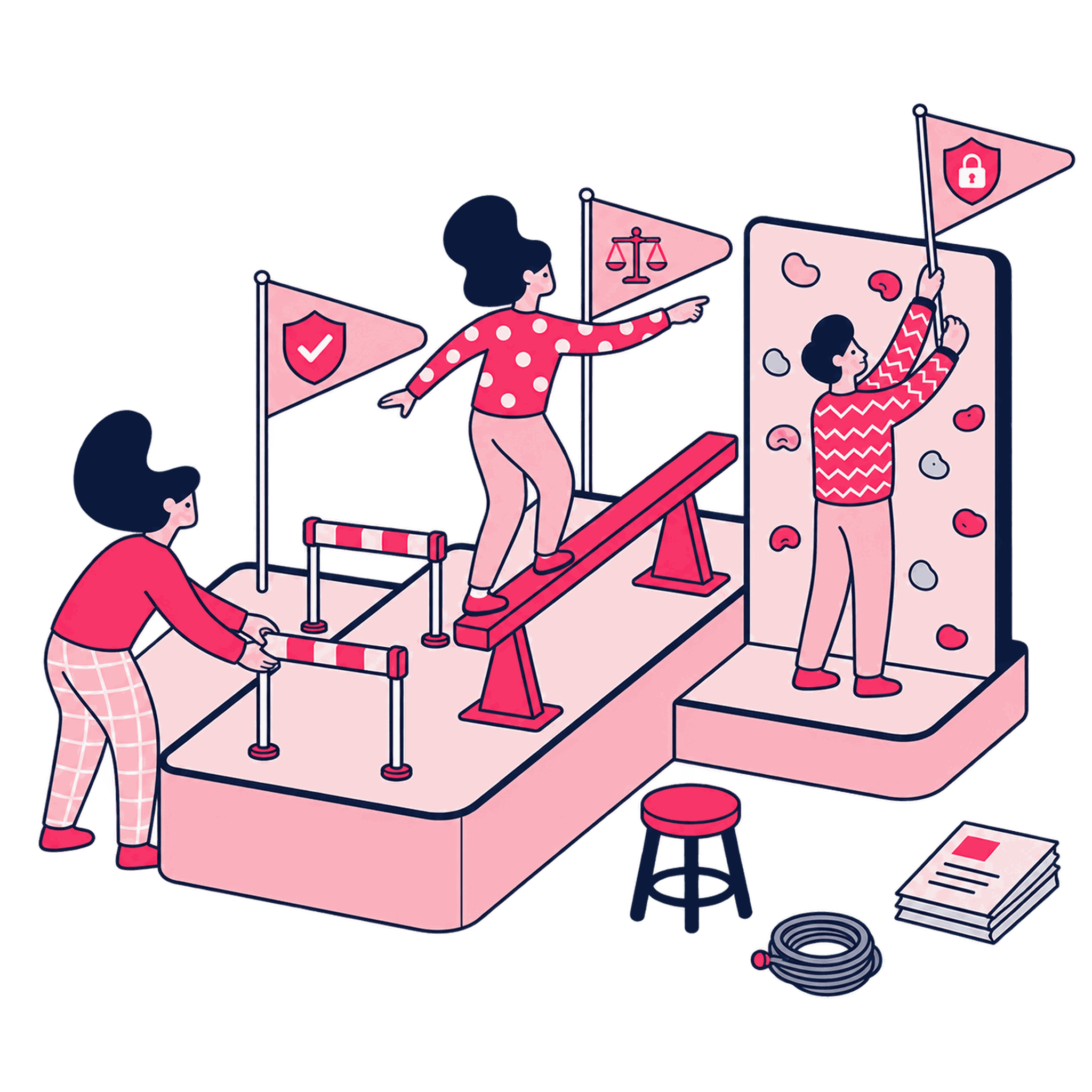
Responsible & Secure AI Training
Role-tailored enablement workshops integrate mandatory security protocols and privacy boundaries directly into domain-specific software workflows.

Enablement
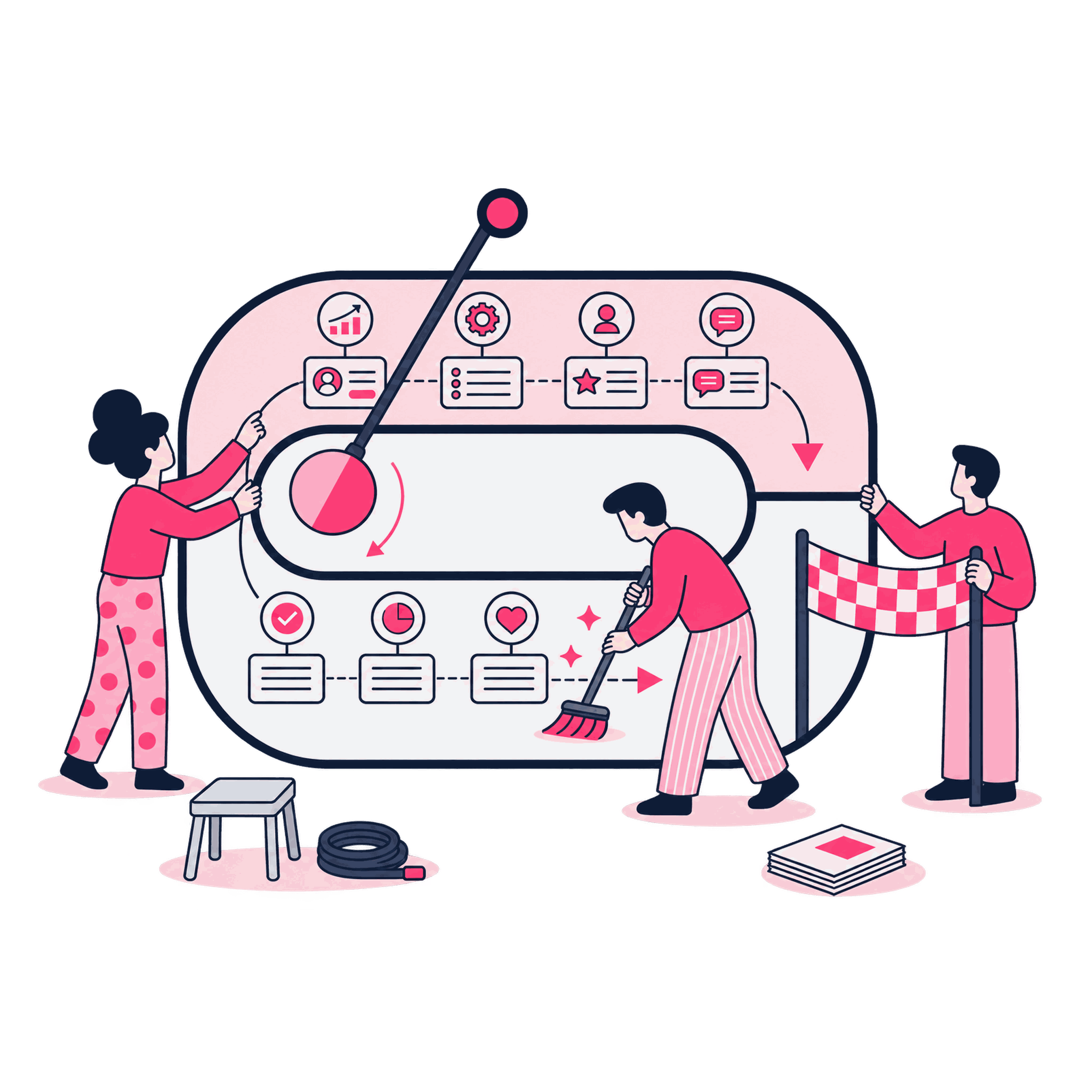
AI Productivity & Workflow Training
Specialized departmental curricula build upon foundational productivity concepts, teaching advanced tool integration and workflow automation.
Next step
Give each role practice it can use
Before you decide