













Conversational AI & Chatbots
Voice AI Assistant Development
A voice assistant is ready only when defined journeys survive real exchanges under agreed recognition, latency, identity, escalation, and channel limits.
Voice work is judged inside the exchange itself. We build around defined journeys, with clear requirements for speech recognition, turn-taking, latency, identity, escalation, and channel limits. Representative conversations show where the assistant works, where it should stop, and what context the human team receives. Your service owner receives a tested assistant dossier, journey and identity record, conversation review, and release handoff tied to the channel conditions exercised.


Some of the 500+ brands we've worked with
See all references














































The run order, and who signs each step off
How we work
We start from real journeys and end with a tested assistant. Any boundary expands only after a review with your owner.
Trace the spoken journeys
We walk each in-scope journey and trace how turn-taking, recognition, identity, escalation, and channel constraints behave along it. Exceptions that need a different path are marked before the build begins. Scope is set by your service owner, who confirms the journeys and channel limits.


Build the smallest testable slice
We assemble the smallest slice of the assistant that can carry the agreed journeys end to end, wiring in only the dependencies those journeys need. Anything the slice hasn't exercised stays outside the accepted boundary. Before we test the slice, your service owner approves its access and channel boundary.


Test representative and adverse exchanges
Representative and failure-case conversations run through the slice, then we review recognition, turn-taking, latency, identity, and escalation journey by journey. What each exchange exposes goes on the exception list. Every exception goes to your service owner for the final call, including which ones need a person.

Hand the channel team the record
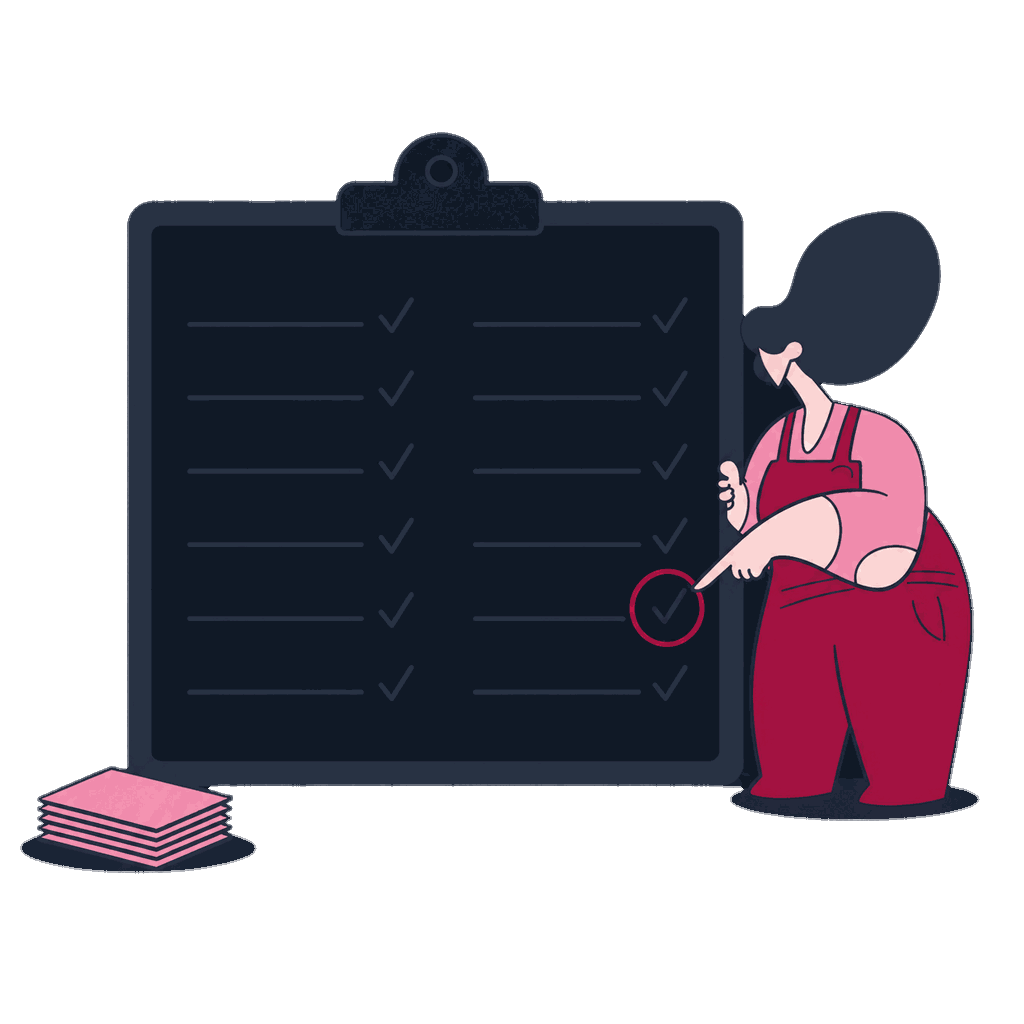
Accepted behavior, open exceptions, the responsible owner, and a date for the next review go into one record. The operating team reads it and knows which journeys may ship and which must wait. The handoff and its next review date take effect when your service owner accepts them.


Named artifacts you keep
What you get
The assistant arrives together with its evidence. The operating team receives the conversations, channel conditions, and decisions used to accept each journey.
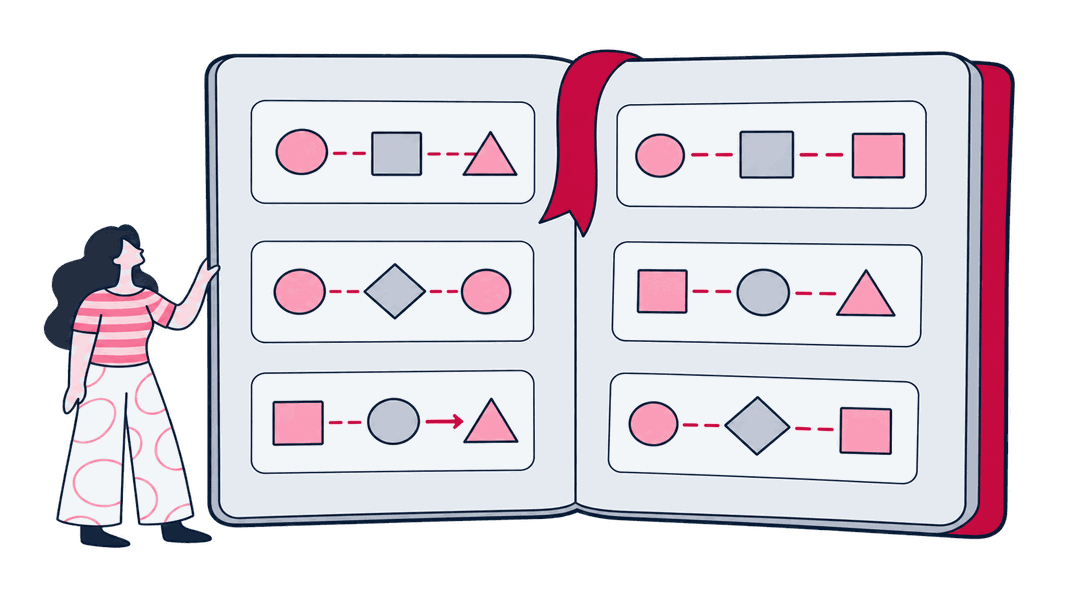
Playbook
Tested voice assistant channel operations dossier
The working slice, with the channel limits, escalation path, and operating steps agreed for the journeys it was tested on.
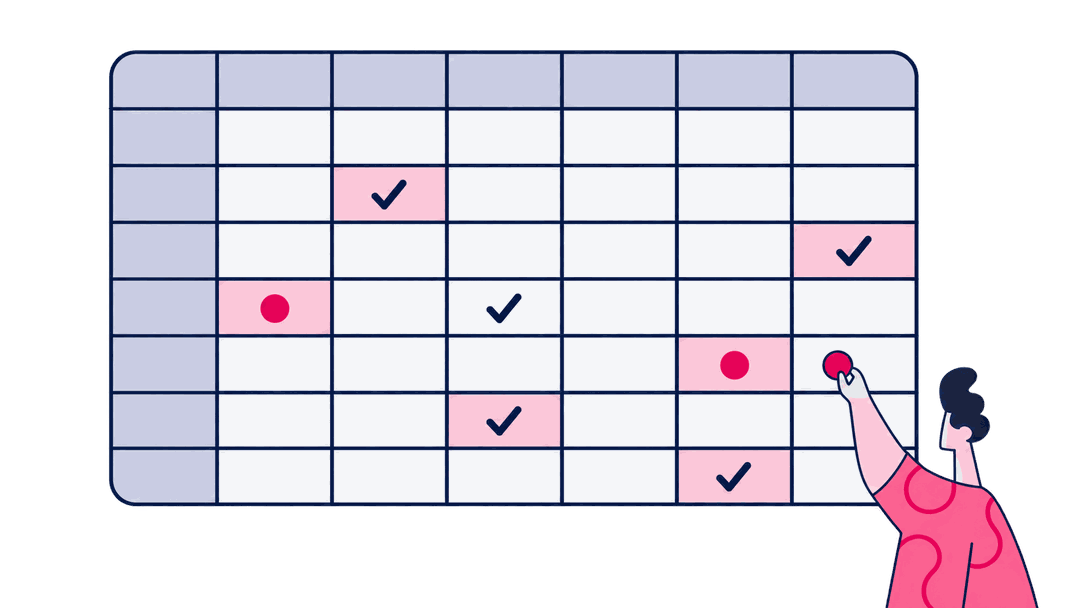
Matrix
Voice journey and channel record
One place to look up the representative conversations, channel constraints, identity rules, escalation routes, and build dependencies.
Test evidence
Representative conversation review
A journey-by-journey account of how speech recognition, turn-taking, latency, identity, and escalation behaved in the conversations we ran.
Playbook
Voice-journey release conditions and owner record
The record the channel team uses after handoff. Tested journeys, open conversation cases, the responsible owner, the escalation route, and the date of the next review.
Scope and honest limits
When to bring us in
A voice journey has to stand up inside clear channel, identity, and escalation limits before it carries daily traffic. This build produces that proof.
A good fit when
- Your first voice journeys are named, but nobody has accepted the channel limits or taken responsibility for the result.
- Representative conversations exist, but they do not cover the accents, channel constraints, identity checks, or escalation failures the build must face.
- Exceptions reach the service team, but nobody has decided which ones need a person, which block release, or when the assistant must stop.
- Speech recognition works in a demo, yet turn-taking, latency, identity, escalation, and channel limits have not been tested journey by journey.
- A working assistant exists, but it carries more dependencies than the agreed journeys need and its accepted access boundary is unclear.
- Representative conversation traces exist, but the service owner still lacks one file linking acceptance tests, exception decisions, and the operating handoff.
- The team wants to release the assistant, but the highest-priority journeys do not yet have test evidence tied to a clear gate.
Better handled as other work when
- You need voice journeys, channel access, or identity permissions released before testing. The service owner must review those boundaries against real conversations.
- You need perfect speech recognition, response quality, or latency in every condition. This build only supports decisions about the journeys and channels tested.
- You need the assistant operated in production after handoff. Ongoing channel support and work beyond the agreed build require a separate scope.
If one of these is closer to your situation, start here instead: More on AI chatbot development
Engineers who ship production AI
This is the part of Zeo that writes and ships code. Our senior engineers build agents, chatbots, and RAG pipelines, along with the automation and data work around them, and they keep operating those systems once they're live. We've worked with more than 500 brands since 2011.







Tools we use
Tools behind this work
 ElevenLabs
provides the spoken voice runtime and natural response playback
 Deepgram
runs real-time speech recognition and turn-taking inside the latency budget
 LangChain
keeps spoken context, tools, retrieval, and handoff state connected
 Voiceflow
maps spoken journeys, interruptions, repairs, and escalation points
 Langfuse
traces each spoken exchange from transcript through handoff
 Guardrails AI
checks spoken responses before they are ever read aloud
Adjacent work
Where this leads
Build
Enterprise AI Chatbot Development
Voice is one channel with its own limits. Holding the same job steady across chat and messaging as well means one service map and a channel-by-channel release.
Build
Customer Service AI Agent & Assistant Development
Recognition and escalation prove the call was handled. Letting the assistant resolve the case itself adds CRM and helpdesk contracts, a support policy, and a rollback route.

Build
Knowledge-Grounded Chatbots
The conversation review shows whether the caller understood the answer, not whether an approved source backed it. Registering sources, audiences, and freshness is the separate check.
Next step
Pick the journey we should hear first
Before you decide