







One service, governed channel by channel
Enterprise AI Chatbot Development
An enterprise chatbot is one governed service only when its audience, approved sources, channel permissions, repair behavior, and context-preserving handoff remain consistent from answer to release.
Your chatbot should do one defined job for one audience across its approved channels. We govern the knowledge and tools behind that service, then test whether the conversation, user context, and consent state reach the person who takes over. Your channel owner receives a service map, approved knowledge and permission record, whole-conversation findings, and a staged release file that support can operate.
Some of the 500+ brands we've worked with
See all references








































The run order, and who signs each step off
How we work
We start with one service slice. Design, scenario evidence, and channel release stay connected, and any change to scope, access, or behavior goes back to a named owner.
Define the service people need
We read the conversation evidence with your owners, then map the audience, job, journeys, intents, response voice, repair paths, channels, and support ownership. The blueprint states what the chatbot may handle, where it stops, and who receives the context. Your support owner signs off on the audience, job, and first-channel boundary.


Write rules into the answer flow
Approved knowledge, tools, identity rules, response behavior, safety limits, and handoff terms enter one knowledge, tool, identity, and permission record. Purpose limits, source ownership, least-privilege access, retention, and human checks sit beside the decisions they govern. Source and permission approval stays with your product owner.
Test whole conversations
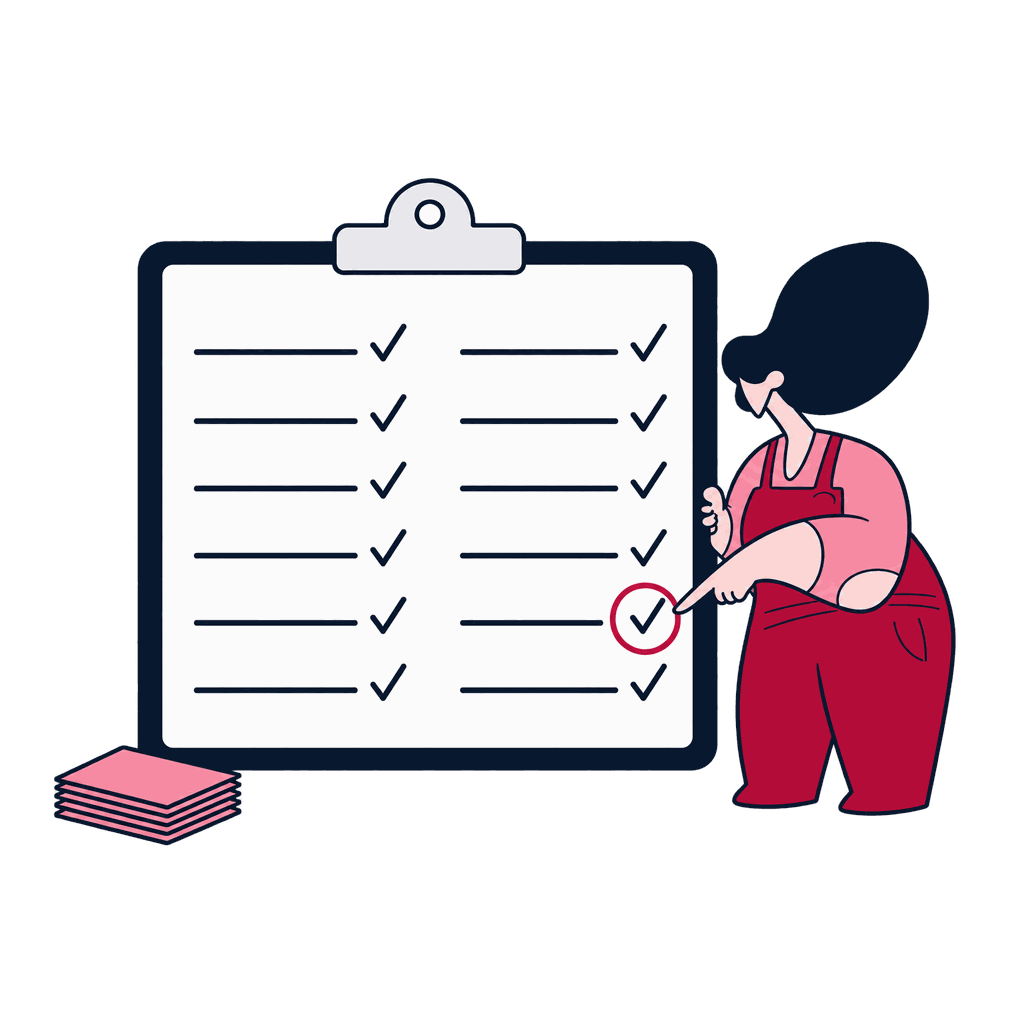
We run representative journeys through task resolution, policy responses, repair, abandonment, and context-preserving handoff. Reviewers inspect contained task resolution and response quality scenario by scenario as well as in aggregate, down to what the user saw and what support received. Your support owner marks scenarios accepted, conditional, or blocking.
Stage each channel with its owner
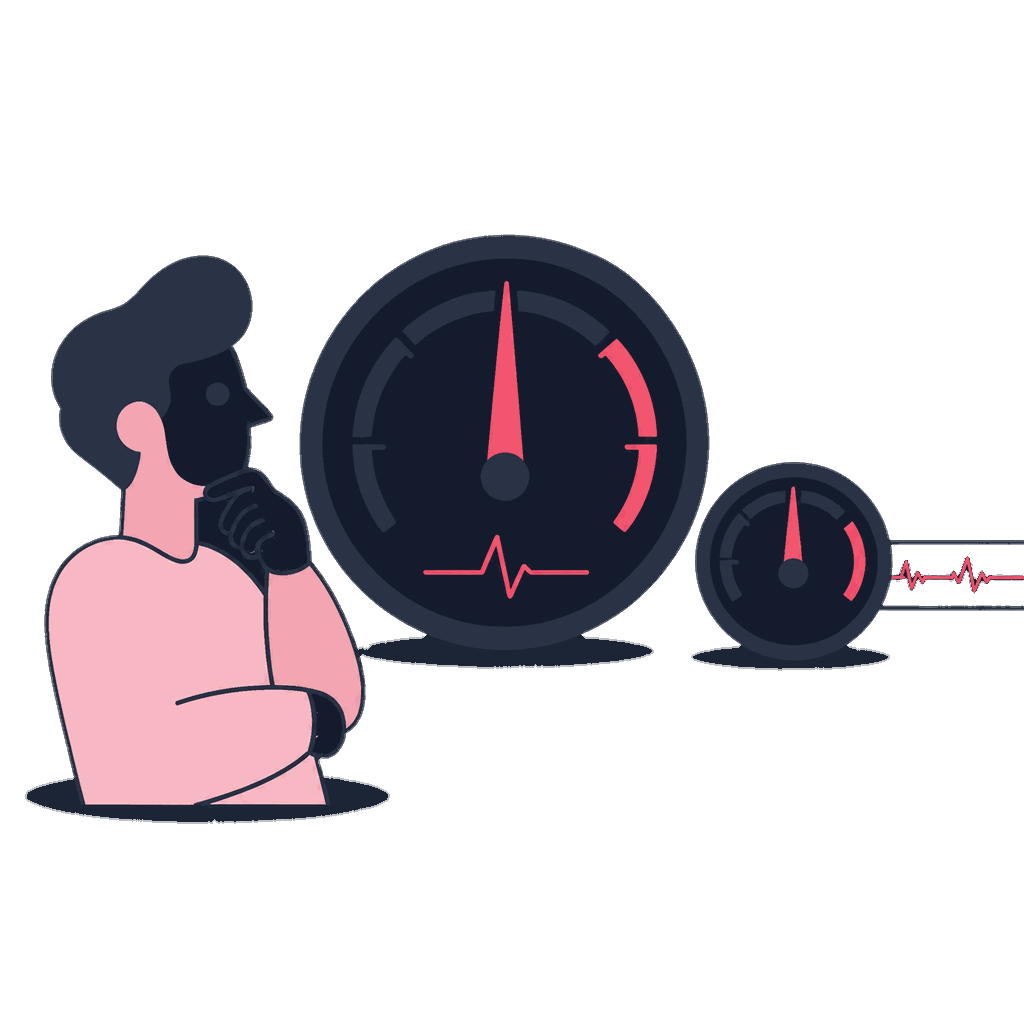
Agreed channels open in stages with narrow permissions, visible stop conditions, and a support routine. Conversation analytics and unresolved cases stay in the review pack so the channel owner can release, narrow, pause, reopen, or stop each stage. The channel owner approves each stage and its rollback conditions.

Named artifacts you keep
What you get
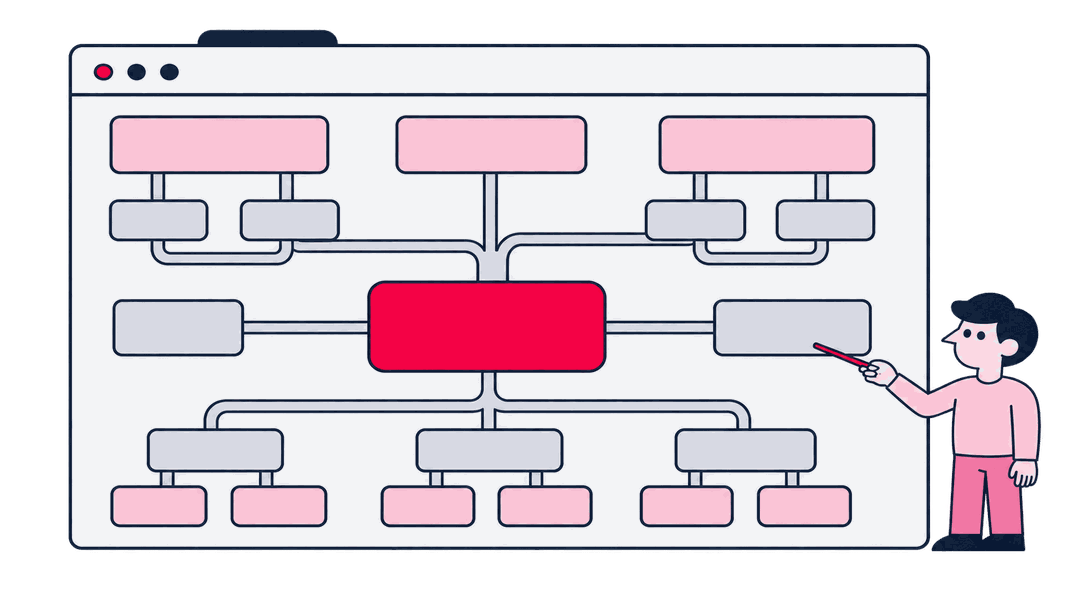
The four artifacts answer different operational questions. They define the service, record its rules, preserve scenario evidence, and give the channel owner a release and support record.
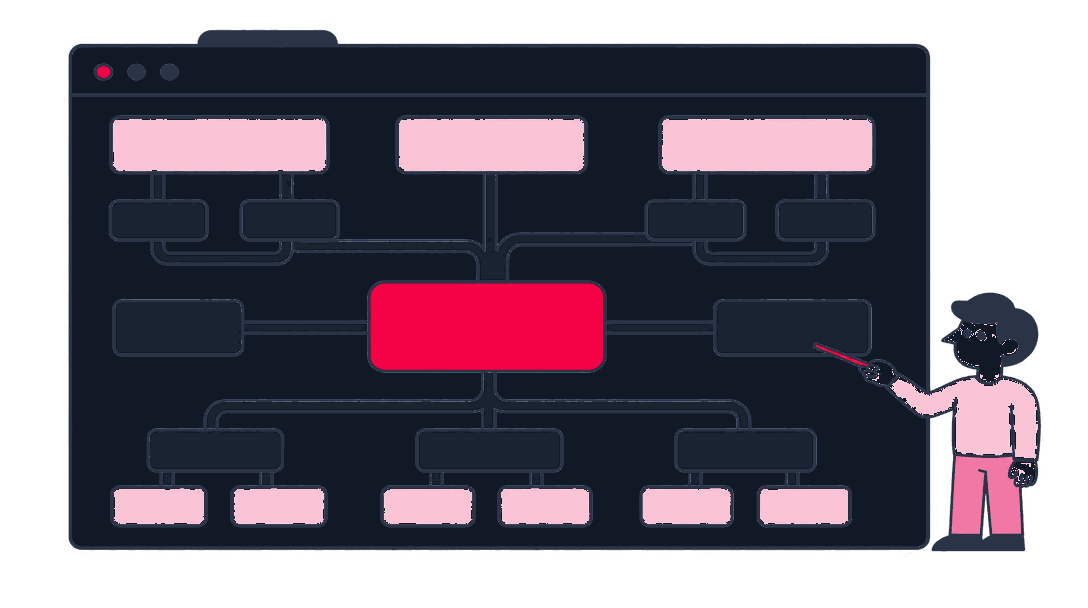
Architecture document
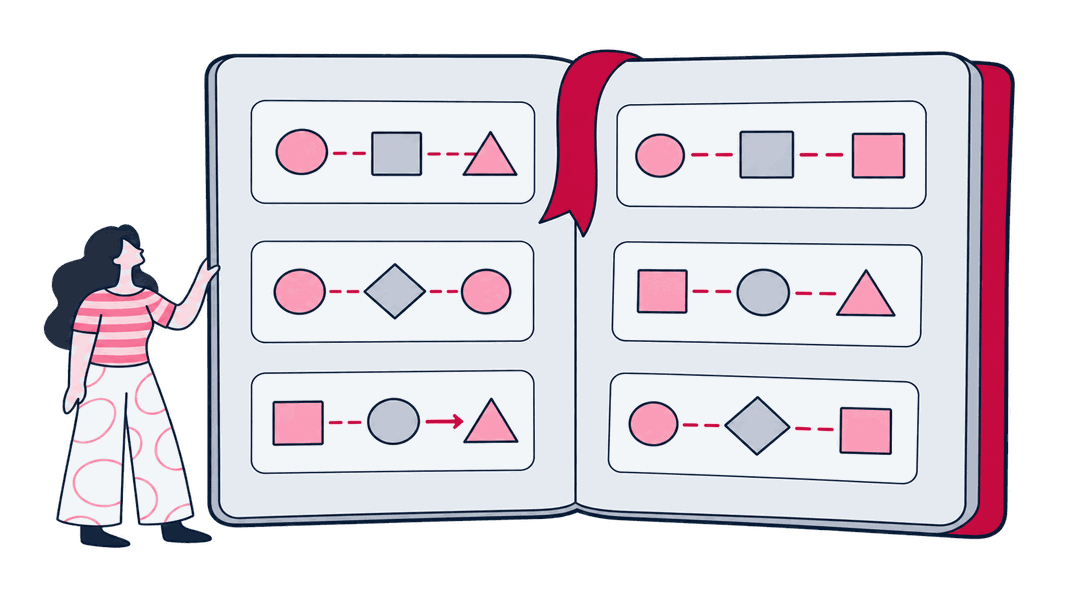
Audience, journey, and channel service map
Maps the audience and job across journeys, intents, response voice, repair routes, channels, and support ownership.
Policy
Knowledge, tool, identity, and permission record
Records approved knowledge and tools, identity rules, response voice and behavior, safety limits, retention, human checks, and handoff terms.
Test evidence
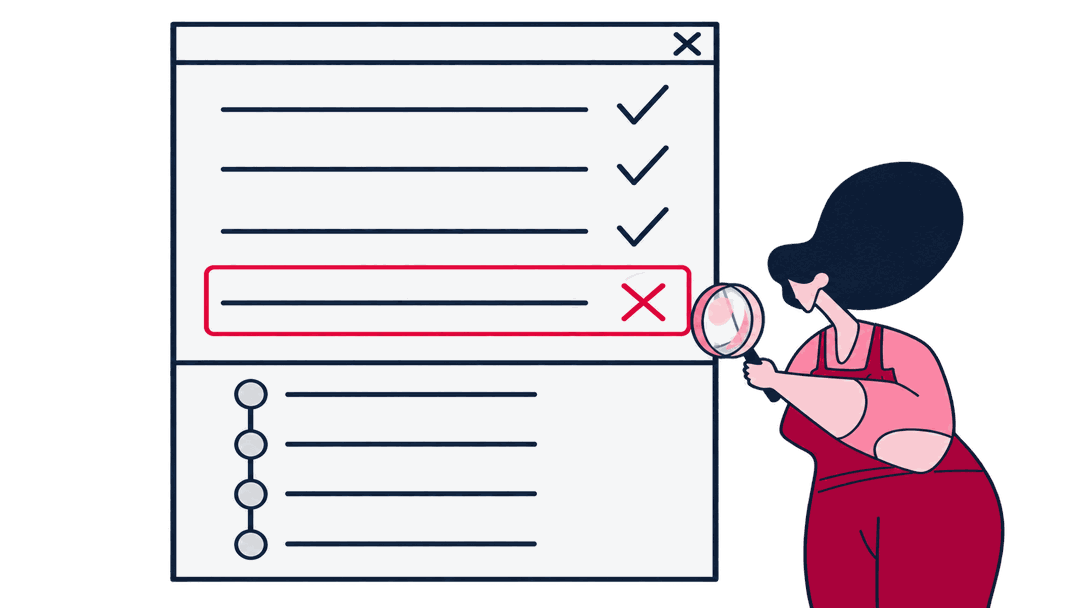
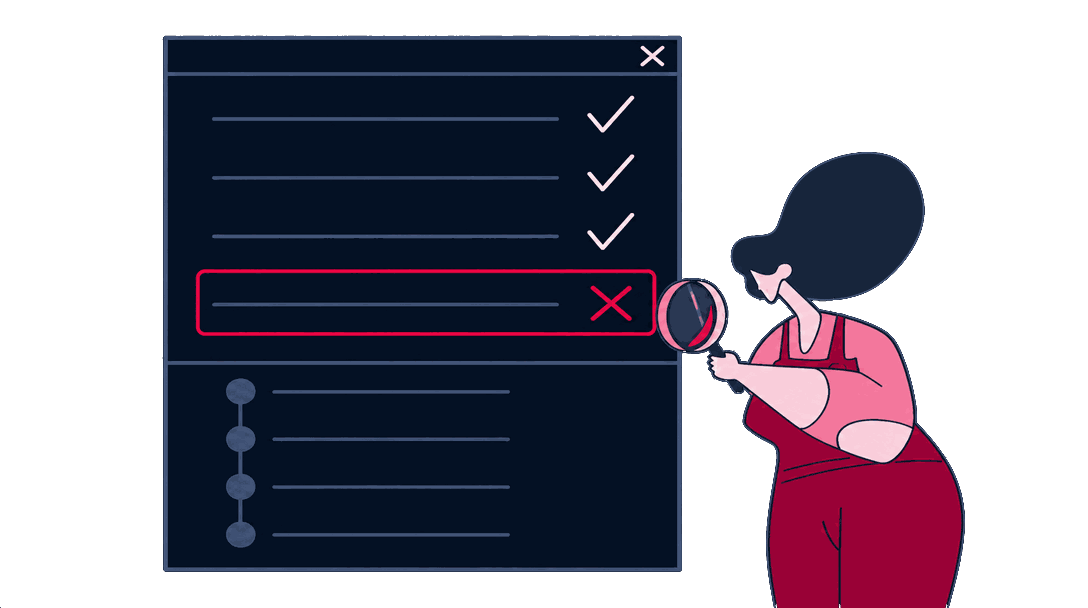
Whole-conversation scenario findings by channel
Covers representative tasks, policy responses, repair, abandonment, and context-preserving handoff before a channel opens.
Playbook
Channel support and release pack
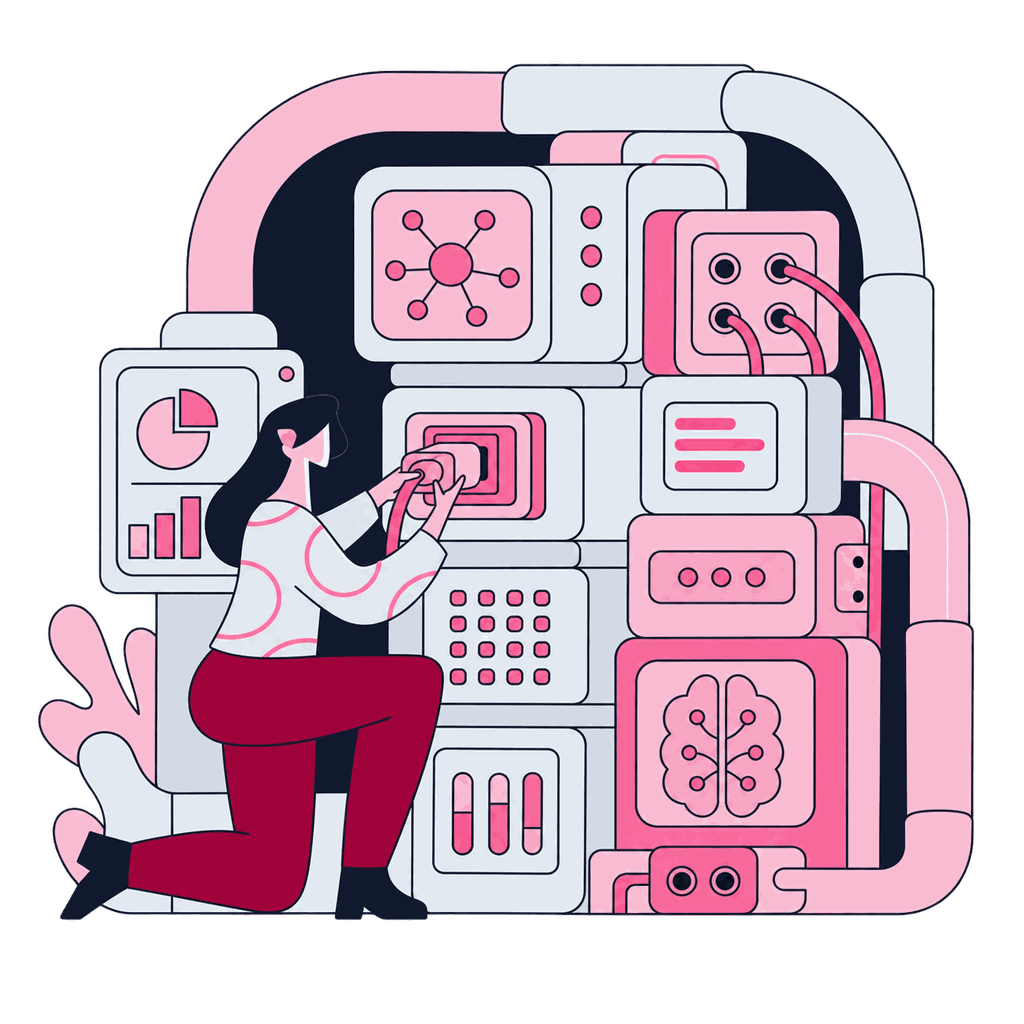
Brings rollout stages, approvals, support procedures, conversation analytics, open conditions, and stop or rollback steps into one working record.
Scope and honest limits
When to bring us in
The build fits when one audience needs the same governed service on its approved channels and someone owns the knowledge, tools, and support behind it.
A good fit when
- The audience and job are broadly agreed, but nobody has set which first channels or support owner carry the service.
- Your conversation evidence exists, yet approved knowledge, tools, identity rules, and brand criteria are not ready in one reviewable boundary.
- Your deflection rate looks healthy, while resolution, repair, abandonment, and context-preserving handoff quality remain hard to compare.
- Users move through several intents, but the response voice and repair behavior change by channel without one journey map.
- Knowledge, tools, identity, and safety controls are designed separately, so the handoff cannot preserve user context and consent reliably.
- Scenario results support one channel, yet release stages, conversation analytics, and the support routine do not share an owner.
- Approved sources have purpose limits, but permissions, retention, human checks, and release gates do not hold those boundaries in place.
Better handled as other work when
- You want answers or actions beyond the approved source, tool, channel, or permission boundary, but those routes have no release evidence.
- You want the handoff to drop conversation history, user context, or consent state. This service is built around preserving them for the person who takes over.
- You want deflection to be the only success measure, but it cannot show whether the user resolved the task or received a usable response.
If one of these is closer to your situation, start here instead: See how chatbot builds work
Engineers who ship production AI
This is the part of Zeo that writes and ships code. Our senior engineers build agents, chatbots, and RAG pipelines, along with the automation and data work around them, and they keep operating those systems once they're live. We've worked with more than 500 brands since 2011.

Yiğit Konur
Founder & Chief Strategy Officer

Can Mutioğlu
Senior SEO Executive

Burak Pehlivan
Co-founder & CEO

Ozan Ketenci
VP of Consulting & Strategy

Ataberk Yüzat
SEO Executive

Mehmet Aktuğ
Co-Founder & COO

Samet Özsüleyman
SEO Manager
Content we've produced on this topic
Tools we use
Tools behind this work
 Anthropic
runs long conversations while retaining the approved service boundary
 LangChain
connects conversation state, tools, consent, knowledge, and human handoff
 n8n
n8nconnects approved chatbot actions and handoffs to enterprise systems
 Pinecone
serves approved knowledge with audience and channel metadata filters
 Langfuse
traces whole conversations through retrieval, tools, consent, and handoff
 Guardrails AI
validates channel rules, response structure, tool parameters, and fallbacks
Adjacent work
Where this leads
Build
Customer Service AI Agent & Assistant Development
Once the channel service map is settled, a support case still needs its own policy, CRM permissions, and a named human queue before the agent may act on it.
Build
Knowledge-Grounded Chatbots
The permission record names which sources the chatbot may quote. Turning that list into citations, audience-filtered retrieval, and a rule for staying silent is separate work.


Build
Voice AI Assistant Development
Adding a phone line to the approved channel list changes the test. Recognition, turn-taking, and latency decide the exchange before the response voice ever matters.
Next step
Start with one chatbot service
Before you decide