












AI Process Discovery & Automation Assessment
Automation suitability can be judged only from observed workflow records, volumes, controls, and exceptions, with disagreements left visible until the process owner accepts the map and next gate.
We examine how work moves through your team, including its decisions, volumes, controls, and exceptions. We then identify which opportunities merit further automation work and which do not. Every row of the evidence-linked opportunity backlog tells your process owner to advance, gather more discovery, or stop, and names whoever owns that next decision.


Some of the 500+ brands we've worked with
See all references












































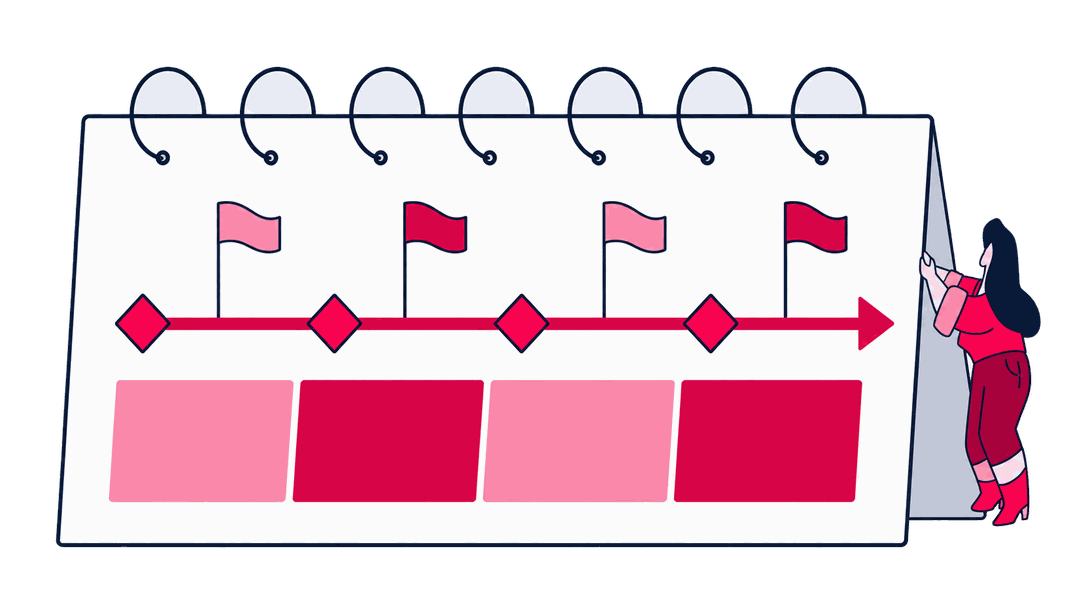
The run order, and who signs each step off
How we work
The assessment moves from observable workflow evidence to an owned decision about what should happen next.
Assemble process evidence
We collect representative workflow records, examples, current constraints, volumes, controls, and known exceptions from the people who run the work. The process owner confirms which records count as representative.


Map decisions and exceptions
We trace the steps, handoffs, authority, dependencies, and failure paths, keeping disagreements and missing evidence visible. The domain experts confirm where the draft map differs from real practice.


Assess automation suitability
We compare opportunities against evidence, control needs, dependencies, and likely exception handling rather than scoring effort in isolation. The process owner decides which ranked opportunities deserve a closer look.


Record the next gates
We review the backlog with your owner and document what advances, what needs more evidence, and who owns each next decision. The process owner assigns the next-gate owner for every advancing item.


Named artifacts you keep
What you get
The artifact set keeps the recommendation tied to the workflow evidence behind it.
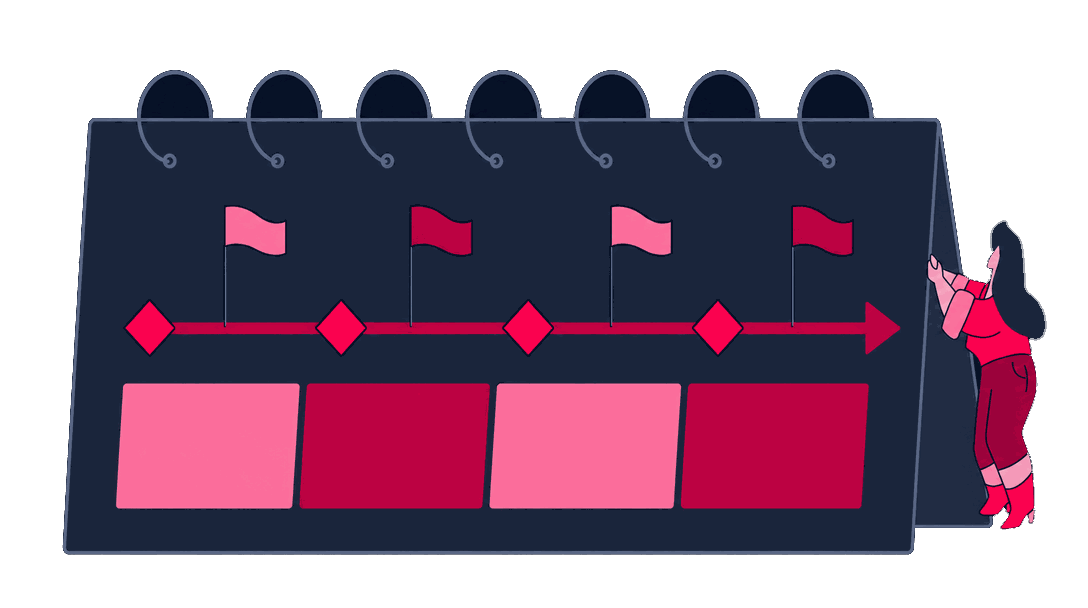
Roadmap
Observed workflow and automation opportunity backlog
A map of the observed workflow alongside the opportunities, constraints, exceptions, and questions found during discovery.
Risk register
Process sources, dependencies, and evidence-gap inventory
The source material, open assumptions, system and team dependencies, and evidence gaps that shape the assessment.


Report
Candidate opportunity findings and critical exceptions
The comparison of candidate opportunities, including representative cases, critical exceptions, and reasons not to advance an item.
Decision record
Accepted backlog paths, owners, and next-gate brief
The accepted backlog decisions, conditions, owners, and next review points for opportunities that continue.
Scope and honest limits
When to bring us in
Teams often have automation ideas long before anyone has mapped how the work really moves, and that gap is where this assessment starts.
A good fit when
- Different teams describe the same workflow differently, so nobody can tell which handoff or exception path reflects the process in use.
- Workflow records exist, but the examples, volumes, controls, and people who know the work have never been brought into one process view.
- A build is under discussion, yet the process owner lacks a prioritized opportunity backlog tied to operating evidence.
- The workflow crosses decisions, handoffs, controls, and exceptions, but no current map shows where volume or responsibility actually changes.
- Candidate automations sound plausible, yet their dependencies, assumptions, and suitability are not tied to representative evidence.
- Opportunities have been ranked by effort, but failure cases and acceptance conditions have not been reviewed before the funding decision.
- Selected opportunities have a next step, yet no handoff record names the owner, next gate, or evidence still required.

Better handled as other work when
- You want a workshop account treated as the operating process. We use the discussion to locate the work, while representative records have to support the map.
- You expect every mapped task to become an automation. The assessment can pause or reject an item when evidence, controls, or exception handling do not support it.
- You need the selected automation built or operated now. This assessment prepares the backlog and next gates, while delivery requires a separate phase.
If one of these is closer to your situation, start here instead: View the parent service
Engineers who ship production AI
This is the part of Zeo that writes and ships code. Our senior engineers build agents, chatbots, and RAG pipelines, along with the automation and data work around them, and they keep operating those systems once they're live. We've worked with more than 500 brands since 2011.

Can Mutioğlu
Senior SEO Executive

Aybüke Göktuna
Senior SEO Analyst

Yiğit Konur
Founder & Chief Strategy Officer

Burak Pehlivan
Co-founder & CEO

Ataberk Yüzat
SEO Executive

Ezgi Gülsen Yaylı
SEO Manager

Deniz İmre Temiztürk
Content Specialist
Content we've produced on this topic
Tools we use
Tools behind this work
 Anthropic
maps unstructured process documents and notes into decision steps
 Airtable
maintains the process inventory, suitability scores, and gate decisions
 n8n
n8nprototypes candidate automation boundaries to test suitability quickly
 Jupyter
analyzes volume, exception rates, handling times, and value ranges
Adjacent work
Where this leads
Build
AI Workflow Automation
An advancing backlog item is still only a ranked opportunity. Turning one into working software means choosing a mechanism for each decision and wiring the approvals and reconciliation around it.

Build
Intelligent Document Processing
Discovery often shows the volume concentrating on one queue of files that reviewers retype by hand. That case needs a taxonomy, validation rules, and an escalation path.

Build
Agentic Process Automation
Where the mapped decision changes case by case but the actions behind it stay few and reviewable, the next scope writes a decision charter and names who closes each exception.
Next step
Map the work before building
Before you decide