









Digital PR & Earned Media
Journalist Relations
Build useful, reliable relationships before there is a story to pitch.
Journalist Relations is the ongoing work that happens between pitches. We identify who regularly covers your field, offer useful context without demanding coverage, and build a record of reliable follow-through before you need to ask for attention. You walk away with a beat map that matches who actually covers your space, a record of useful contact, and someone accountable for keeping it current.
Some of the 500+ brands we've worked with
See all references











































How we run it
How useful contact becomes a trusted relationship
Trust grows through specific, useful interactions over time, so this work continues beyond a single campaign.
Identify the journalists who own the beat
We review current coverage to identify who owns the beat now and what background information may help with their reporting. A PR lead confirms the beat map actually reflects who covers this space before outreach starts. A stale byline list wastes everyone's time.
A qualified beat map tied to real, recent coverage.
Make contact useful before making a request
We offer background context, access to an expert, or an early view of a trend when it can help a journalist's work, without expecting coverage in return. A person decides what's actually worth sending before any contact goes out. An agent can flag a moment, but not the message.
A log of useful, no-ask contact points.
Respond clearly and keep every commitment
We respond quickly and honestly, make source availability clear, and keep every promise. That reliability gives journalists a reason to call again. Someone on the team owns every reply personally. A journalist's question never waits in a queue.
A response protocol and a track record of follow-through.


Separate reciprocal contacts from one-sided outreach
We review the interaction history to distinguish reciprocal relationships from contacts that remain entirely one-sided. A PR lead reads the interaction log and calls out which contacts have become two-way.
A relationship review noting which contacts are working and which aren't.


Monitoring can scale. The relationship stays personal.
Agents help us keep up with beat changes, recent bylines, and moves between outlets. That makes the timing easier to spot. The contact itself remains personal because someone has to judge whether there is anything useful to say, write the message, and keep any promise that follows. Without that ownership, scaled personalization becomes spam very quickly.
What you get
What keeps the relationship practice accountable
The beat map and interaction log are the core deliverables because this is relationship infrastructure. A campaign report would tell you far less.
Current journalist and beat map
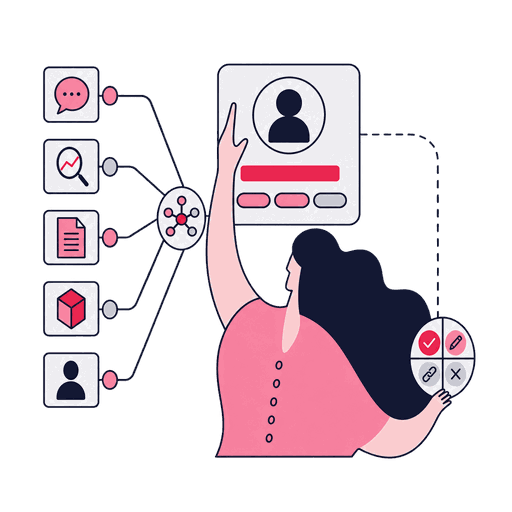
A current list of journalists who cover the field, their recent work, and the background each may find useful.
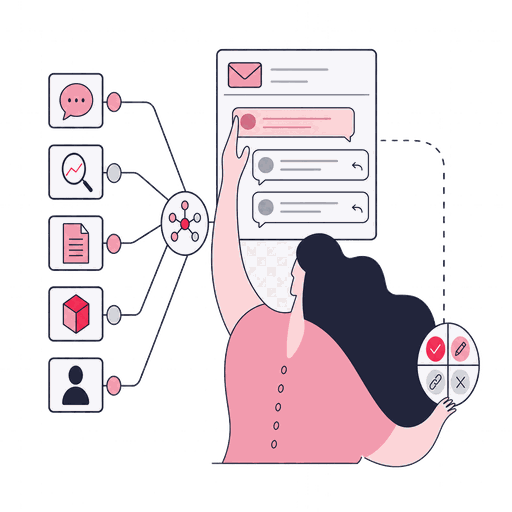

Shared history of meaningful contact
A record of meaningful exchanges, offers, requests, and commitments so the team can follow through consistently.
Current experts and evidence sources
A current roster of experts and datasets available for background, comment, or clarification.
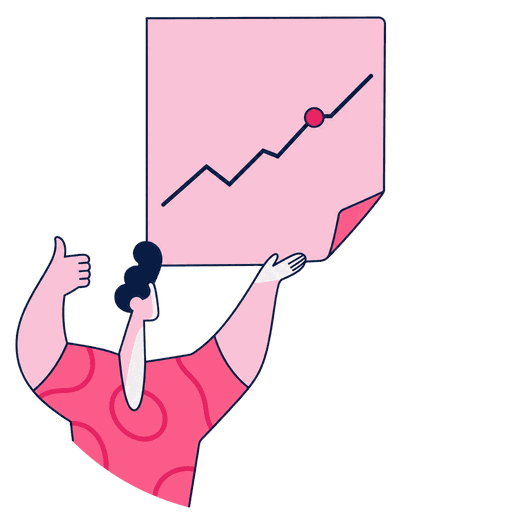
Reciprocity and priority review
A periodic assessment of reciprocal contacts, one-sided outreach, and relationships that should no longer be prioritized.
We call it done when: the beat map reflects who actually covers this space, contact has been useful and not just transactional, and someone owns keeping the relationships current.
Who it fits
When familiarity matters before the next pitch
This is an ongoing practice. If you need coverage for a specific story soon, Media Outreach is the right method. Journalist Relations is what makes the next pitch land with someone who already knows you.
A good fit when
- You regularly approach the same beats and want reporters to recognize your team before the next pitch arrives.
- Your team can offer credible expertise or data as useful background, even when there is nothing to pitch.
- Contact between campaigns keeps slipping because no named person owns the beat map, follow-through, or promises made to reporters.


Better handled as other work when
- You need coverage for a launch next week. Handle the immediate pitch first, then build the longer-term relationship.
- The goal is influencer marketing or a paid partnership, so the contact is transactional by design and cannot be treated as an ongoing editorial relationship.
People who write and ship this content
Some of these consultants write the pages themselves. Others plan distribution or check how a piece performs once it's live, so the team below covers more than one stage of the work.

Hande Parmaksız
SEO Manager

Samet Özsüleyman
SEO Manager

Sena Önder
Senior SEO Executive

Sinem Bakır Yavaş
Senior SEO Executive
Bensu Tınastepe
Senior SEO Analyst

Deniz İmre Temiztürk
Content Specialist

Gülşah Şahin Özkan
Senior SEO Analyst

Ali Özgün Öz
SEO Executive

Ruhan Tiryaki
Senior SEO Analyst
Yağmur Bayram
Sr. SEO Analyst

Emir Kağan Kahveci
SEO Analyst

Mehmet Aktuğ
Co-Founder & COO

Can Mutioğlu
Senior SEO Executive
Tools we use
Tools behind this work
 Muck Rack
identifies who currently owns a beat, based on what they published recently
 BuzzStream
the shared history log of every prior touchpoint with a contact
 Hunter
finds the direct contact so outreach reaches the actual person
Where this leads next
Methods connected to Journalist Relations
Upstream
Media Outreach
If you're starting from a specific story rather than an ongoing practice, this is the single-pitch version that can lead into a relationship.
Downstream
Digital PR Link Earning
Once relationships exist, this is where they can turn into earned coverage that specifically links back to something citable.
Complementary
Press Release Writing & Distribution
The reporters you've already built trust with are also the right first list once there's actual news worth a formal announcement.
Start the work
Will the next relevant pitch arrive from a familiar name?

Before we start