











Web Analytics · Google Tag Manager
GTM Web Container Architecture
A rename never changes what fires; that is the rule the whole reorganization has to survive.
Without naming conventions or separate environments, every container change carries avoidable risk. We create a structure that your team, agency, and future owners can work in safely. You end up with a GTM container organized so a new hire can locate and understand any tag without relying on the person who built it.

Some of the 500+ brands we've worked with
See all references












































How we run it
Structure gets proposed, tested, then made permanent
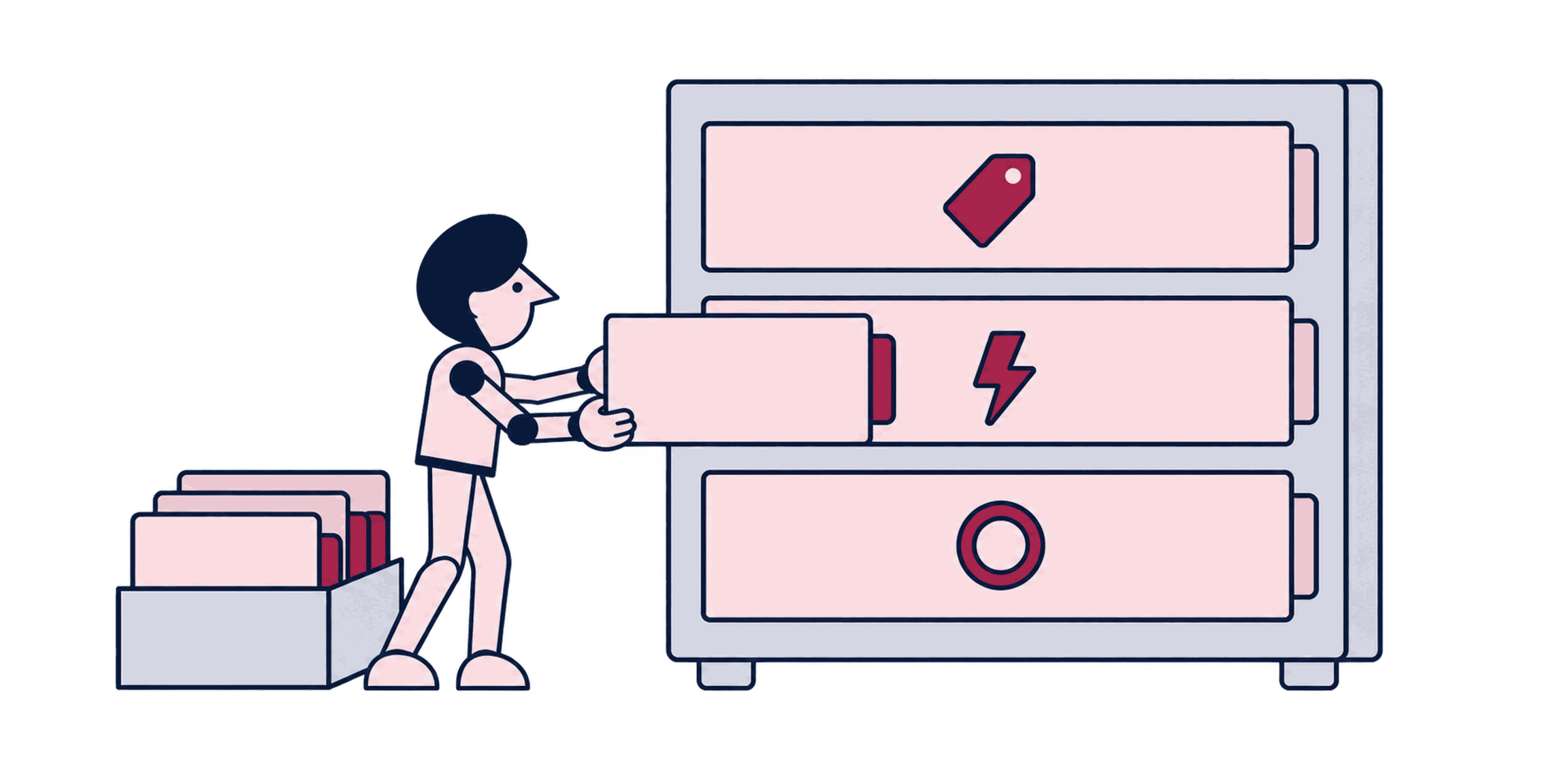
We put the conventions and controls in place that make the container maintainable over time. Four stages move the container from a flat list to a structure your team can follow consistently.
How we hold ourselves to it
- A single naming convention, used everywhere — We define how tags, triggers, and variables get named so their purpose is readable without opening them.
- Organize into folders — We group related tags, triggers, and variables by purpose or vendor, so the whole container stays navigable even with hundreds of items in it.
- Development, staging, and production, kept separate — We configure development, staging, and production environments so changes get tested before they reach real visitors.
- What has to happen before a publish goes live? — We set up version notes and a review step so every publish has a record of what changed and why.
Agree the structure
We propose a naming and folder convention based on how your team actually thinks about tags, by vendor, by purpose, or by page area. Your team picks the convention it will actually follow.
Structure proposal


Stand up the environments
We configure your environments and agree on who can publish where. Someone confirms who's actually allowed to publish where.
Environment configuration


Migrate and rename
We reorganize existing tags into the new structure without changing what they do. A person verifies nothing changed except the label.
Migrated container


Document the conventions
We write down the naming rules and publish process so new tags follow the same structure without a reminder. Your team confirms the guide matches how they'll work.
Style guide


Folders and naming rules turn a guessing game into a system
Automation drafts folder options from how your tags are named today, checks staging config against production, maps every old name to its new location, and writes the style guide from the agreed rules. People own the choices that stick: which convention the team will actually follow, who may publish where, and a verification that only the label changed.
What you get
A style guide only works if the next hire actually reads it
The structure is documented so it can survive changes in staff and agencies.


Configuration record
Container structure
Naming convention, folder organization, and environment setup, all applied to your live container.
Reference document
Style guide
The rules for naming and organizing anything added to the container going forward.
Runbook
Publish process
A written checklist for what happens before a change goes live.
We call it done when: every tag fires exactly as it did before the reorganization, staging cannot reach production unpublished, and publish rights match today's responsibilities.
Fit and readiness
A container with no naming convention makes everyone guess
The tell: nobody can find a specific tag without opening several first.
A good fit when
- Your container has no naming convention, and finding a specific tag means opening several to guess which one it is.
- Changes go straight into the live container without a testing environment, so nobody can verify tag behavior before the change reaches production visitors.
- A new container is being set up, but its naming, folders, environments, and publish process have not been agreed before the first tags arrive.
Better handled as other work when
- Your container is disorganized because of years of neglect and needs cleanup before it needs new structure, start with GTM Audit & Container Cleanup.
- The work concerns a server-side container rather than the web container's tags, triggers, and variables, so Server-Side GTM & Cloud Setup is the right task.
If one of these is closer to your situation, start here instead: All Google Tag Manager Consulting tasks
We call it done when: your team has picked the naming convention it will actually follow, not the one that looks tidiest on paper.
People who build your measurement system
Zeo designs measurement systems that connect a business decision to governed collection and reporting you can check. The people shown here work on the part of that system this page covers.

Zafer Yıldız
Web Analytics Manager

Abdullah Tanıdır
Performance Marketing Team Lead

Sevda Yurtvermez
Performance Marketing Team Lead

Serap Yurtvermez
Performance Marketing Team Lead

Ozan Ketenci
VP of Consulting & Strategy

İlker Emir
Senior Performance Marketing Executive

Onur Durdağı
Performance Marketing Executive

Deniz Çağın Demirci
Frontend Developer

Burak Pehlivan
Co-founder & CEO

Didem Himmetli
Marketing Executive

Mirzamin Aghazada
UI/UX Designer
Tools we use
Tools behind this work
 Google Tag Manager
where separate environments and folder structure get stood up, not just documented
 Google Tag Assistant
confirms the renamed, refoldered container still fires exactly as before
Where this fits
Keep going


Same capability
GTM Audit & Container Cleanup
Renaming a dead tag only files it more neatly; the inventory and sign-off that decide whether it should exist at all happen before the migration, not during it.


Same capability
Web dataLayer Implementation
A trigger name stays honest only while the event it listens for is really pushed; the payload specification is where that event's fields and timing get fixed.


Same capability
Conversion Tag Implementation
Once staging and the publish checklist exist, a new Google Ads or Meta conversion tag can be tested and approved before it reaches a real visitor.
Next step
Stop guessing what's inside your own container


Before we start
Questions teams ask before booking
Will this change how our tags actually behave?
No. This work changes organization, not tag behavior, and we verify firing parity before and after the restructure.
Do we need this if our container already works fine?
A container can appear healthy simply because nobody has had to debug it recently. Structural problems often surface when the pressure is highest, such as just before a launch or major campaign, which is exactly the worst time to discover a tag nobody can locate. The restructure itself doesn't touch what fires. We replay every tag before and after the move and confirm the behavior is identical.
Can our agency keep working in the container after this?
Yes. Clear structure and a defined publish process also make agency work safer by reducing the chance that a change breaks existing behavior.
What GTM access do you need to restructure?
We need admin access to the GTM container and time with its current maintainer to understand how the team groups and interprets the existing tags.