




Knowledge Ingestion & Indexing Pipeline Development
An ingestion pipeline is complete only when source updates, permission changes, metadata, and deletion remain traceable from connector to index.
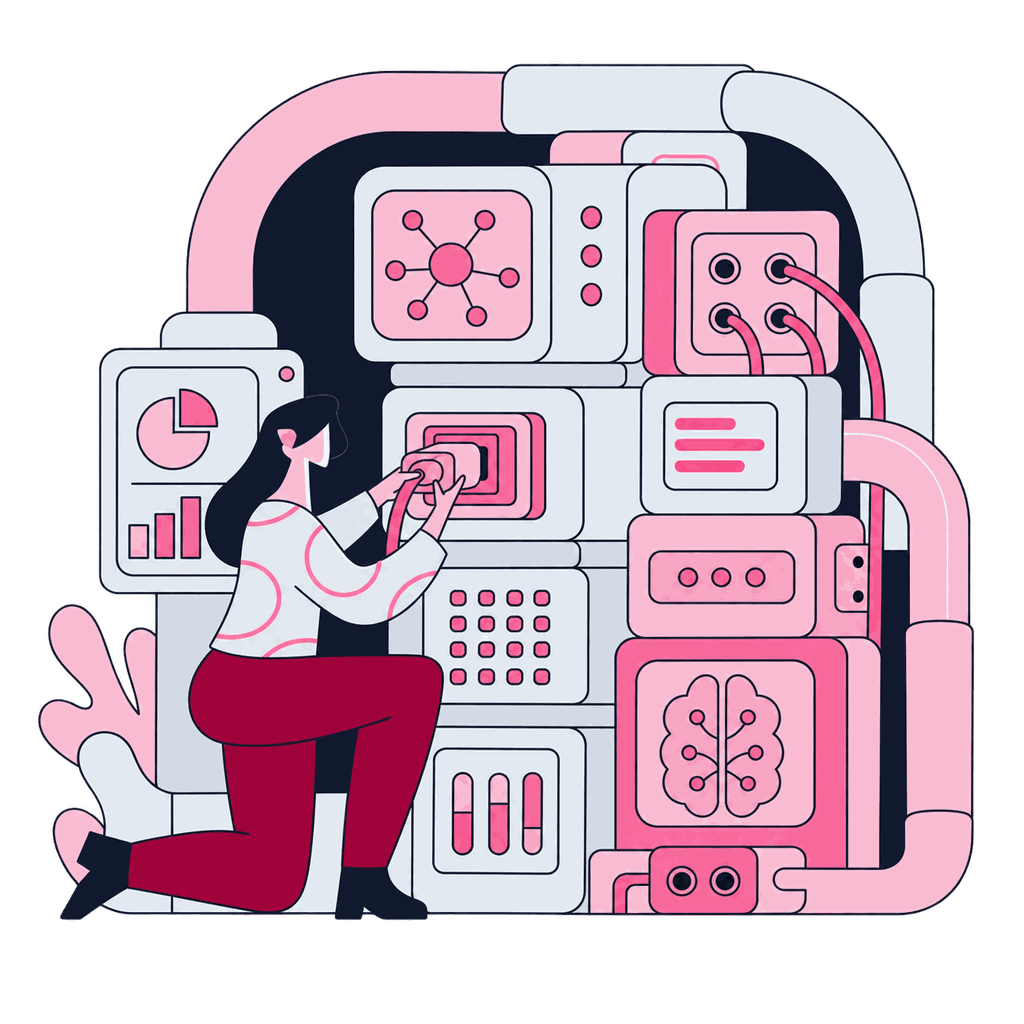
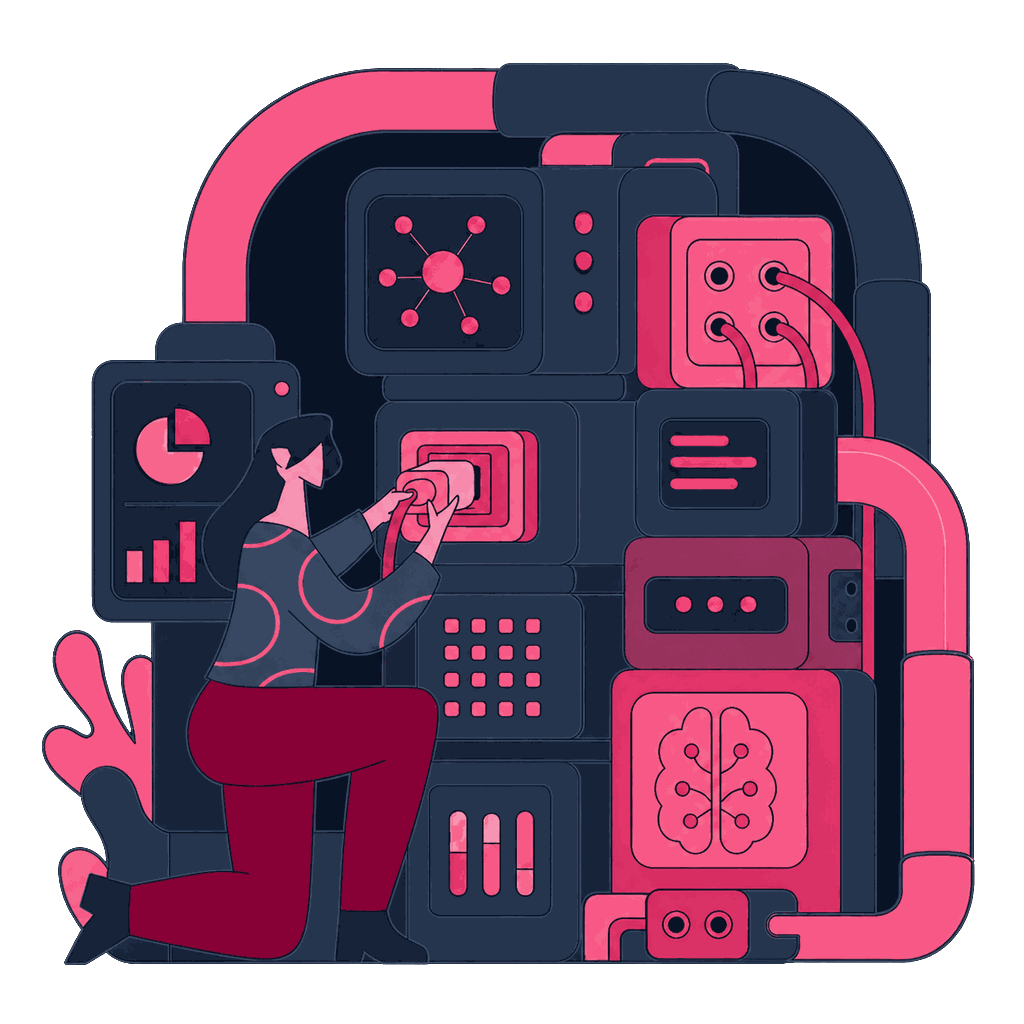
A connector demo is easy. The harder part is keeping source changes, permissions, metadata, and deletion behavior intact after the first load. We build that lifecycle into the ingestion and indexing path. The operating team receives a tested connector path and retained evidence for updates, access changes, failures, freshness, and deletion.
Some of the 500+ brands we've worked with
See all references






































The run order, and who signs each step off
How we work
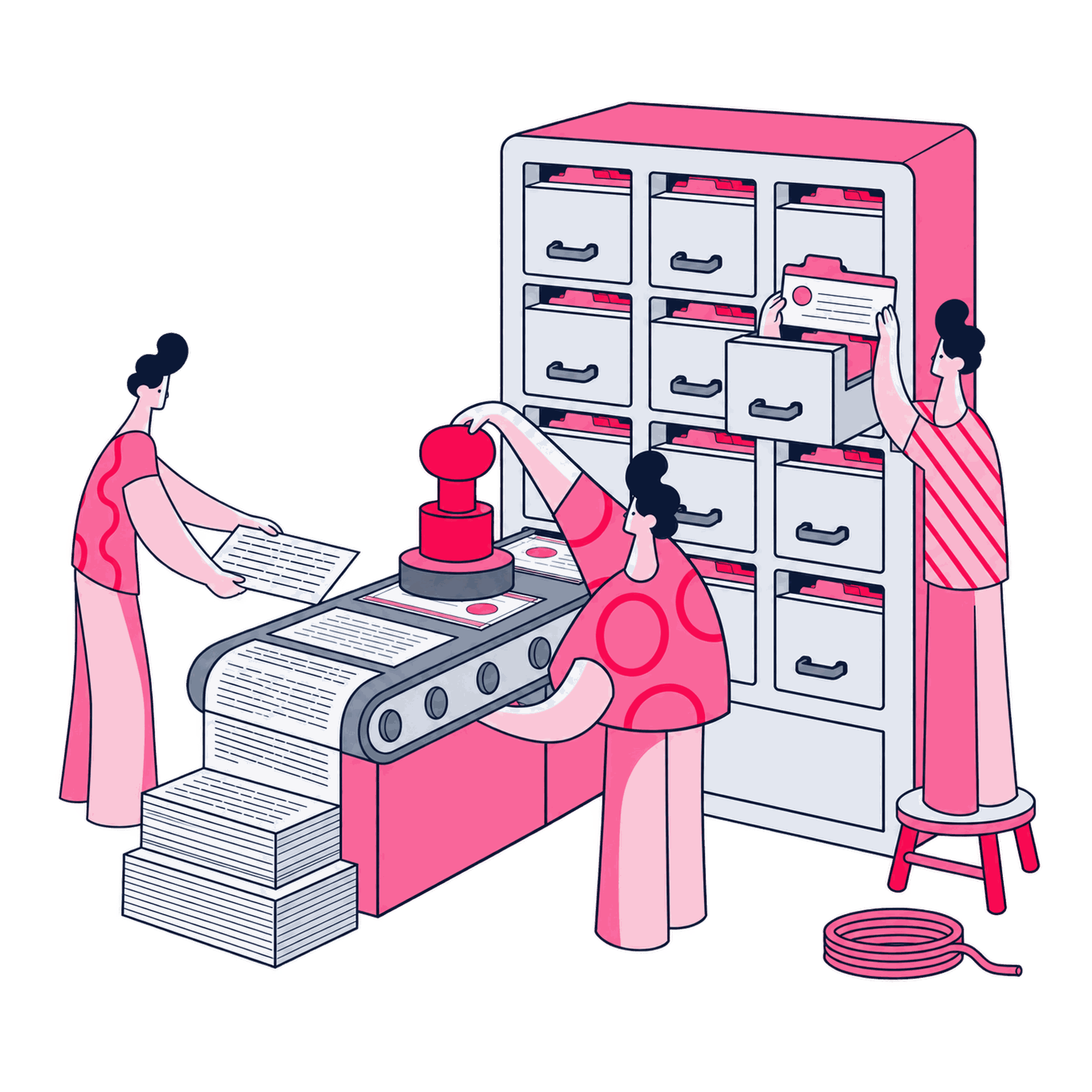
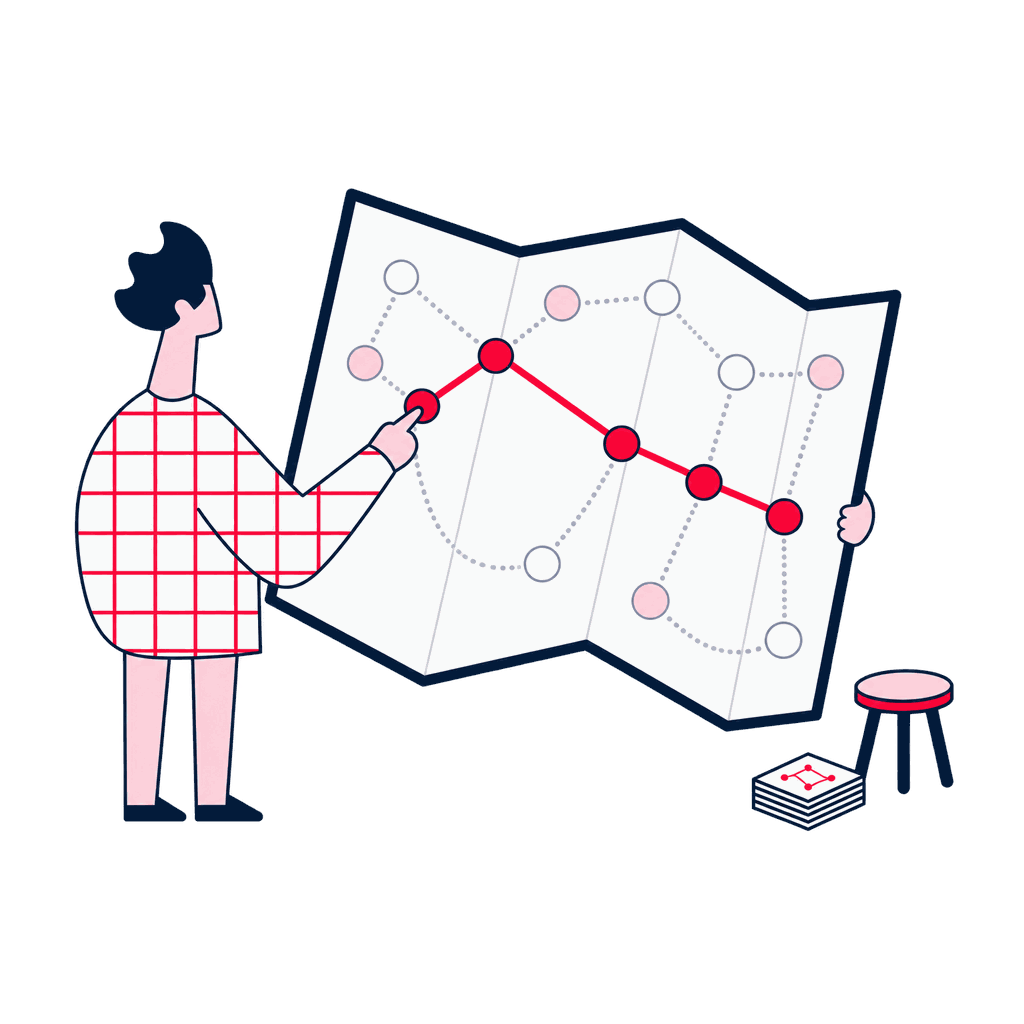
We begin with the events a source can go through, then build one usable connector path and exercise updates, permission changes, failures, and deletion before anyone accepts it.
Map sources and lifecycle
For each source type, we name the connector, owner, format, access rules, expected update and deletion events, and acceptance authority. This defines the lifecycle the pipeline has to preserve. Your data owner confirms source authority and lifecycle event ownership.

Build the ingestion path
The first source slice moves through connection, parsing, chunking, metadata capture, indexing, and lineage. Format assumptions are recorded beside the stage they affect, where the operating team can find them. Parsing and chunking design choices go to your engineering lead for sign-off.


Propagate change and access
We push source edits, access changes, and deletions through the path and inspect every affected record. Failure cases show where a connector, index update, or downstream copy can leave old content behind. Your data owner accepts or rejects each flagged propagation gap.
Test and hand over
The operating owner reruns the important cases and follows the correction path for a known failure. Open conditions get a named owner and a date to revisit before your authority accepts, conditionally accepts, or rejects the pipeline. Your authority decides whether the pipeline is accepted, conditional, or not ready.
Named artifacts you keep
What you get
The handoff includes the working path and the evidence needed to operate it, including format exceptions, dependencies, failed lifecycle cases, and named responders.
Dataset
Connector-to-index lifecycle implementation record
The working path for approved connectors, parsing, chunking, metadata, access propagation, indexing, deletion, and freshness.
Risk register
Format assumptions and connector dependency ledger
Source samples, format assumptions, system dependencies, open questions, and critical exceptions that affect the pipeline.
Test evidence
Permission, deletion, and freshness findings report
Acceptance results for source formats, permissions, updates, deletion, freshness, and the failure slices selected for review.
Decision record
Accepted pipeline state and operating-owner file
The accepted pipeline state, conditions, unresolved issues, operating owners, and next review point.
Scope and honest limits
When to bring us in
Use this work when approved sources need a repeatable route into the index and the team must understand what happens when those sources change.
A good fit when
- Approved sources can reach the index once, but nobody knows whether later permission changes and deletions propagate to every affected record.
- Parsing and chunking differ by connector, so metadata and freshness behavior become inconsistent when a second source type enters the pipeline.
- The operating owner sees ingestion failures, yet the correction path and handoff evidence are too thin to reproduce what went wrong.
- A source can move from connector to index, but access changes and deletion events do not remain traceable through parsing and metadata.
- Representative source cases exist, while connector dependencies and critical failure paths remain undocumented when a format assumption breaks.
- Acceptance tests run, but the operating owner cannot use their evidence to judge the pipeline after handoff.
- Unresolved pipeline conditions reach the team without a review path, so the authority cannot record an accepted, conditional, or rejected state.
Better handled as other work when
- You need counsel or a regulator to approve source use. This pipeline records its boundary, while those qualified authorities retain sign-off.
- Every future source format must work without another test. The evidence only covers the connectors and lifecycle events exercised here.
- You need new data acquisition or ongoing production operation beyond the agreed connector. That work requires a separate scope.
If one of these is closer to your situation, start here instead: View the parent service
Engineers who ship production AI
This is the part of Zeo that writes and ships code. Our senior engineers build agents, chatbots, and RAG pipelines, along with the automation and data work around them, and they keep operating those systems once they're live. We've worked with more than 500 brands since 2011.







Tools we use
Tools behind this work
 LlamaIndex
the connector layer carrying a source's change and deletion events into the index
 Haystack
the pipeline structure making propagation testable as its own isolated stage
 Qdrant
the index where a source-side deletion actually has to land as a real delete
 Sentence Transformers
the self-hosted embedding step that doesn't depend on an external API's own changes
 Ragas
Ragasthe retrieval-quality check beyond 'did the load complete without errors'
Adjacent work
Where this leads

Build
Enterprise RAG Development
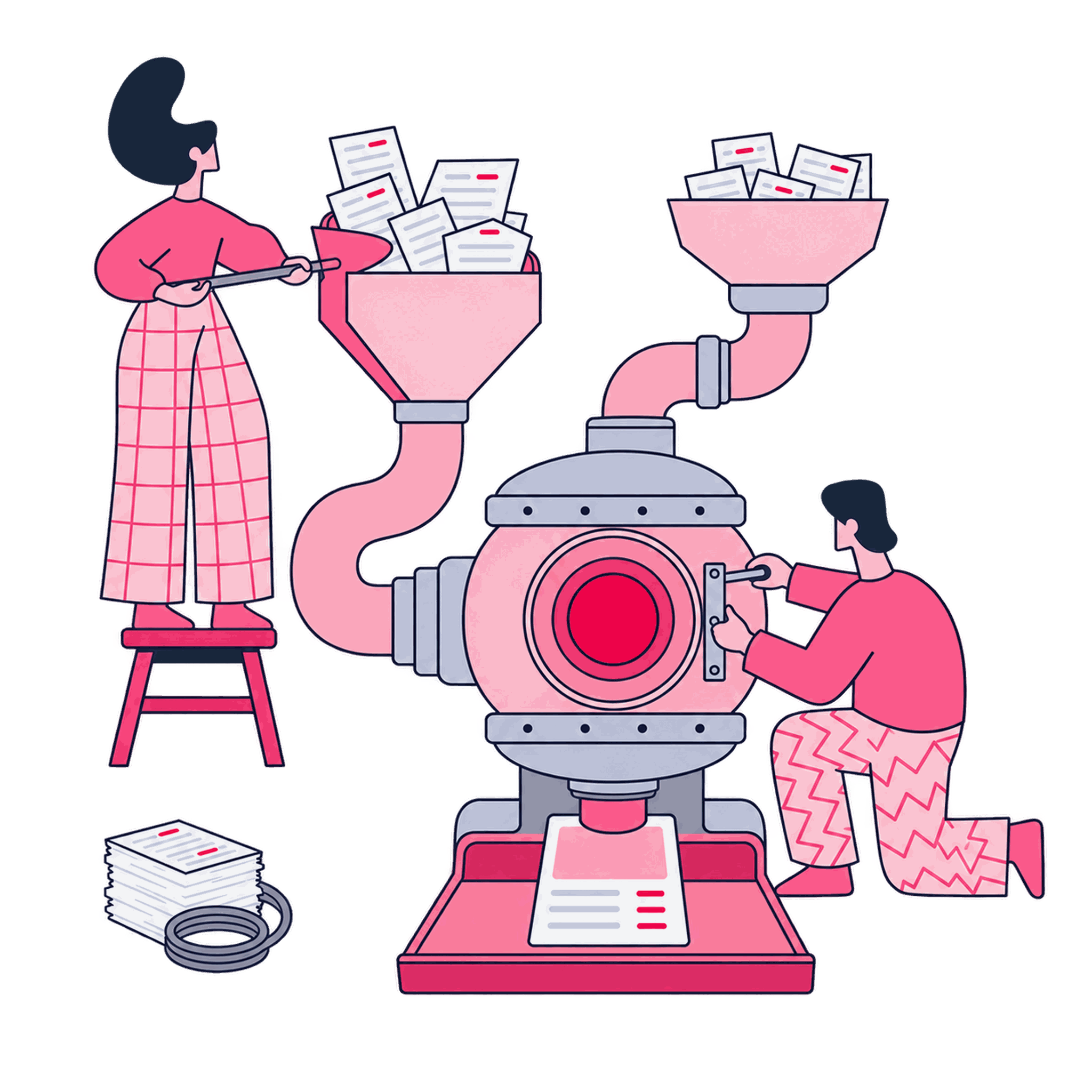
Automated ingestion pipelines process, clean, and vectorize raw enterprise data to maintain the active index consumed by RAG applications.


Build
Access-Controlled RAG
Ingestion pipelines capture source system document permissions and embed security tags directly into chunk metadata.

Assurance
RAG Evaluation & Groundedness Testing
Chunking strategies and vector indexing parameters must be evaluated systematically to ensure high semantic recall without context fragmentation.
Next step
Build the source lifecycle into the pipeline
Before you decide