


Prompt & AI Workflow Enablement
Hands-On Prompt Engineering Workshop
Prompt engineering becomes reusable when participants start from a real task, tie each revision to an observed defect, and keep test cases, data boundaries, and ownership with the pattern.
Participants bring work they know and the criteria its output must meet. In the lab they break down the task, compare prompt choices on representative and difficult cases, verify defects, and record the patterns that deserve another test. Participants leave with task breakdowns, prompt-practice sheets, reviewed samples, and approved patterns whose limits, verification steps, and next-workflow owners are written down.
Some of the 500+ brands we've worked with
See all references
































The run order, and who signs each step off
How we work
A prompt is useful here only as part of a task the group can test, inspect, and revise. Every change answers an observed failure, and every shared pattern keeps its cases, data boundary, and owner.
The task comes first
Participants define the job, intended user, available context, constraints, examples, quality criteria, and data boundary before writing the prompt. The participant confirms that the breakdown matches the job they actually do.


Variants answer observed failures
We build and compare prompt variants, structured outputs, examples, and tool settings while the facilitator exposes hidden assumptions. The facilitator decides which variant actually targets an observed failure.
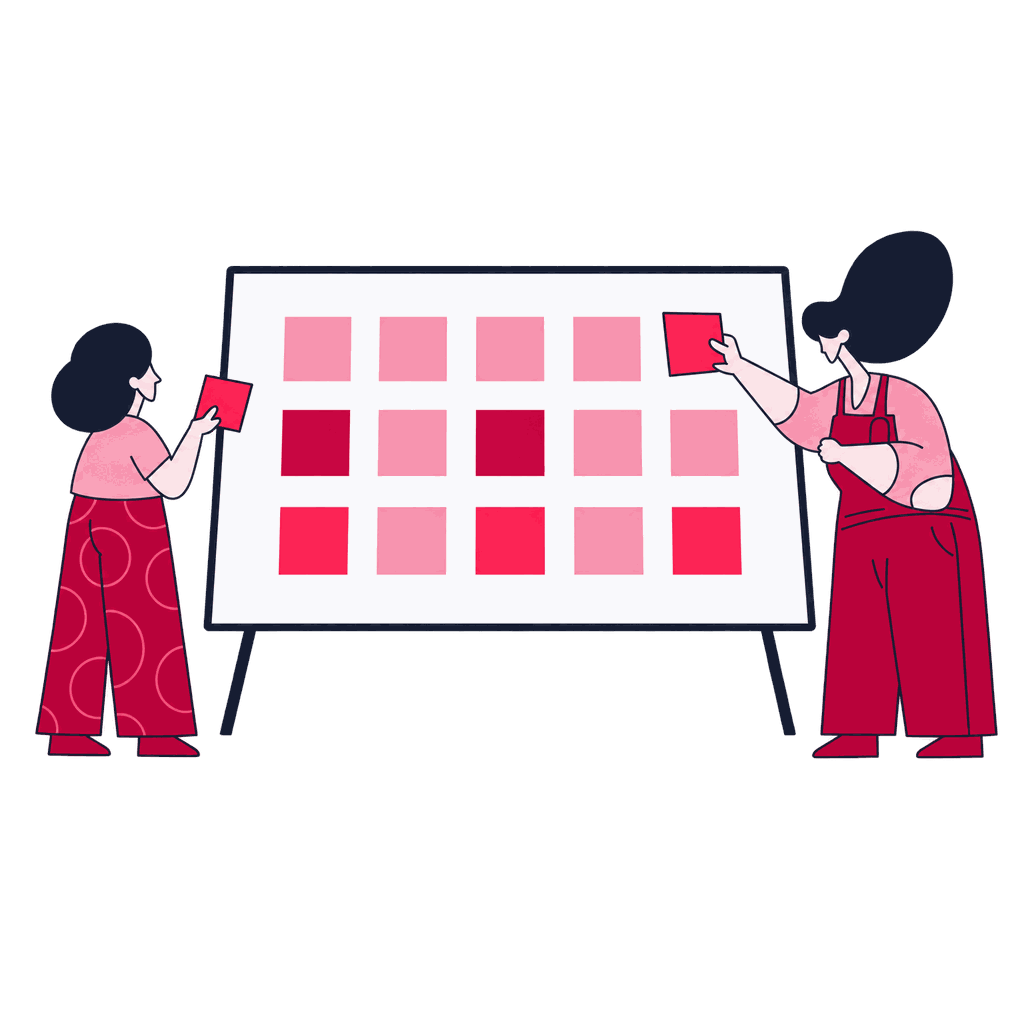
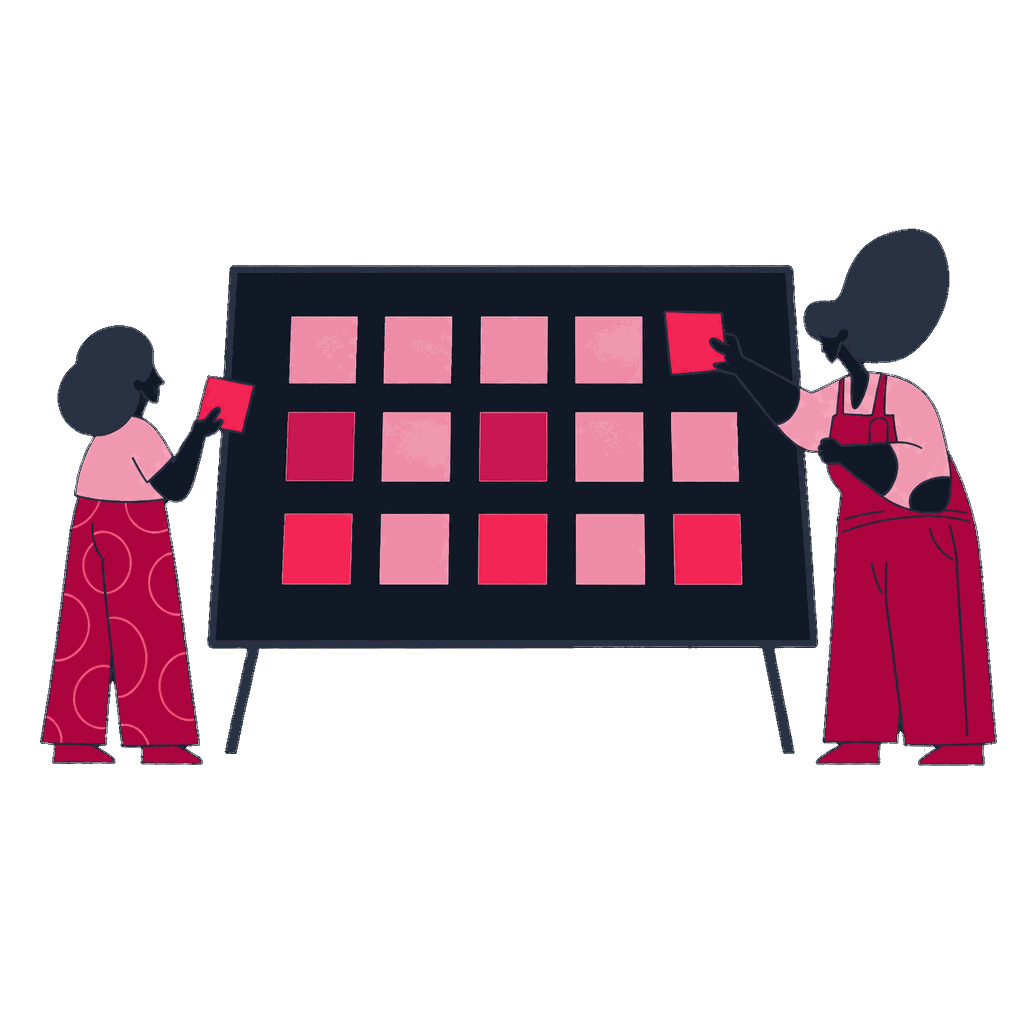
Difficult cases expose the defects
Participants run representative and difficult cases, verify the outputs, classify defects, and revise the prompt or workflow where evidence supports it. A participant verifies whether a flagged output is a genuine defect.
Patterns leave with limits and owners
The group documents patterns, limits, test cases, and next-workflow commitments so useful work can continue after the lab. The person who owns this pattern accepts it before it's published for reuse.

Named artifacts you keep
What you get
The record keeps the experiment behind the wording. It includes the task breakdown, test cases, defect evidence, reviewed samples, known limits, and ownership for the next approved workflow.
Workshop record
Facilitated prompt-lab agenda and exercise plan
The agenda, role groups, tools, data boundaries, target tasks, exercises, and review points.
Curriculum
Task-decomposition and prompt-practice sheet
Guided practice for task decomposition, context, constraints, examples, output structure, and verification.
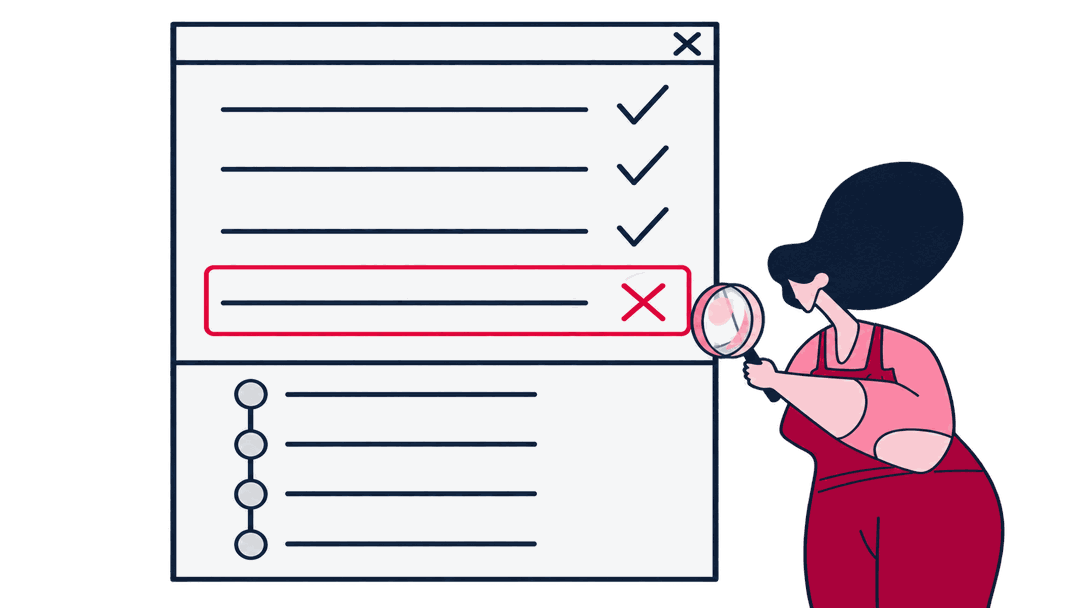
Test evidence
Representative-case rubric and reviewed-sample file
Representative cases, quality criteria, defect categories, and examples reviewed during the lab.
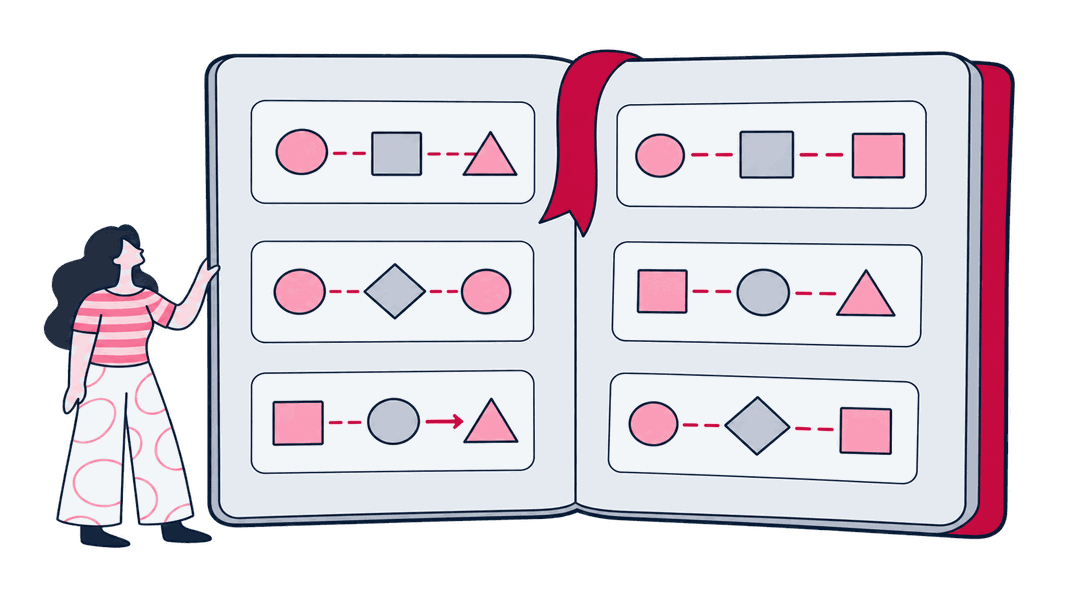
Playbook
Approved prompt patterns, limits, and owner list
Reviewed patterns with intended use, limits, verification steps, and owners for the next workflow.
Scope and honest limits
When to bring us in
The group already knows how to write a prompt. The gap appears when a polished example meets a difficult case and nobody can explain what to change or why.
A good fit when
- A prompt circulates because it sounds polished, but nobody can name the test cases or quality bar used to judge its behavior.
- Participants can write instructions, yet they cannot choose which context, constraints, examples, or output structure the real task needs.
- Teams want reusable prompt patterns, but approved models, data boundaries, and verification steps are not attached when those patterns are shared.
- A real task reaches the workshop as one block, so prompt revisions chase wording before context, constraints, examples, and outputs are separated.
- The same failures return across variants, while nobody records which observed defect each prompt change was meant to repair.
- Test cases and structured outputs exist, but participants compare them without one rubric or a person confirming which flags are real defects.
- Useful prompt patterns leave the lab, yet their known limits, test cases, next-workflow commitments, and owners are not recorded.


Better handled as other work when
- You need sensitive material used in an unapproved tool. The workshop stays inside approved data rules, while tool authorization belongs to the policy owner.
- You want prompt wording accepted without checking behavior. The lab runs representative and difficult cases, while participants verify the defects.
- You need production prompt infrastructure or integrations built during the workshop. The lab ends with reviewed patterns, and engineering needs a separate scope.
If one of these is closer to your situation, start here instead: See corporate AI training
Your trainers build AI for a living
The people who run our training build and operate AI systems the rest of the week, so the material comes from work we've shipped. Zeo has been around since 2011 and runs the Digitalzone conference community, which keeps us close to how teams across the industry are picking these tools up.

Can Mutioğlu
Senior SEO Executive

Ezgi Gülsen Yaylı
SEO Manager

Yiğit Konur
Founder & Chief Strategy Officer

Ozan Ketenci
VP of Consulting & Strategy

Ataberk Yüzat
SEO Executive

Aybüke Göktuna
Senior SEO Analyst

Mehmet Aktuğ
Co-Founder & COO
Content we've produced on this topic
Tools we use
Tools behind this work
 OpenAI
one of the live models participants test prompt variants against directly
 Anthropic
the second live model, testing whether a pattern transfers across providers
 PromptLayer
versions every variant tested, tracing an improvement to a specific edit
 Braintrust
scores which patterns hold up, with limits recorded, the workshop's real output
 Jupyter
runs difficult-case testing as inspectable code, so defects can be reproduced
Adjacent work
Where this leads
Assurance
Prompt Evaluation & QA
Interactive prompt crafting techniques taught in workshops are formalized into automated evaluation suites and regression test sets.
Enablement
AI Adoption Strategy
Practical prompt literacy exercises build frontline capability, supporting broader organizational change and technology adoption plans.


Enablement
AI Workflow Redesign Workshop
Prompt engineering skills equip team members to participate effectively in departmental workflow automation and redesign sessions.
Next step
Test prompts on work your team knows
Before you decide