











Enterprise AI Maturity Assessment
A maturity rating is useful only when every domain judgment traces to inspectable evidence, keeps weak areas visible, and ends with a leader who can assign the remediation.
AI activity spreads through a business faster than anyone's view of it. We build the baseline from evidence across strategy, data, technology, governance, people, and operations, so leadership can see where capability holds up, where dependencies drag, and who owns each remediation decision. Leadership accepts an ordered gap list rather than a score, because the six-domain baseline carries the evidence and the exceptions behind every rating.


Some of the 500+ brands we've worked with
See all references





































The run order, and who signs each step off
How we work
Each maturity judgment connects to its evidence, its dependencies, and the decision it should inform. That chain is the whole method.
Map the capability model
The enterprise domains, intended decisions, evidence owners, and operating context all get agreed before any rating exists. Your sponsor confirms the capability model before domain evidence is collected.


Collect the evidence
Representative records, practices, constraints, and dependencies come under review across strategy, data, technology, governance, people, and operations. Accuracy of the evidence attached to each rating remains with the relevant domain owner.


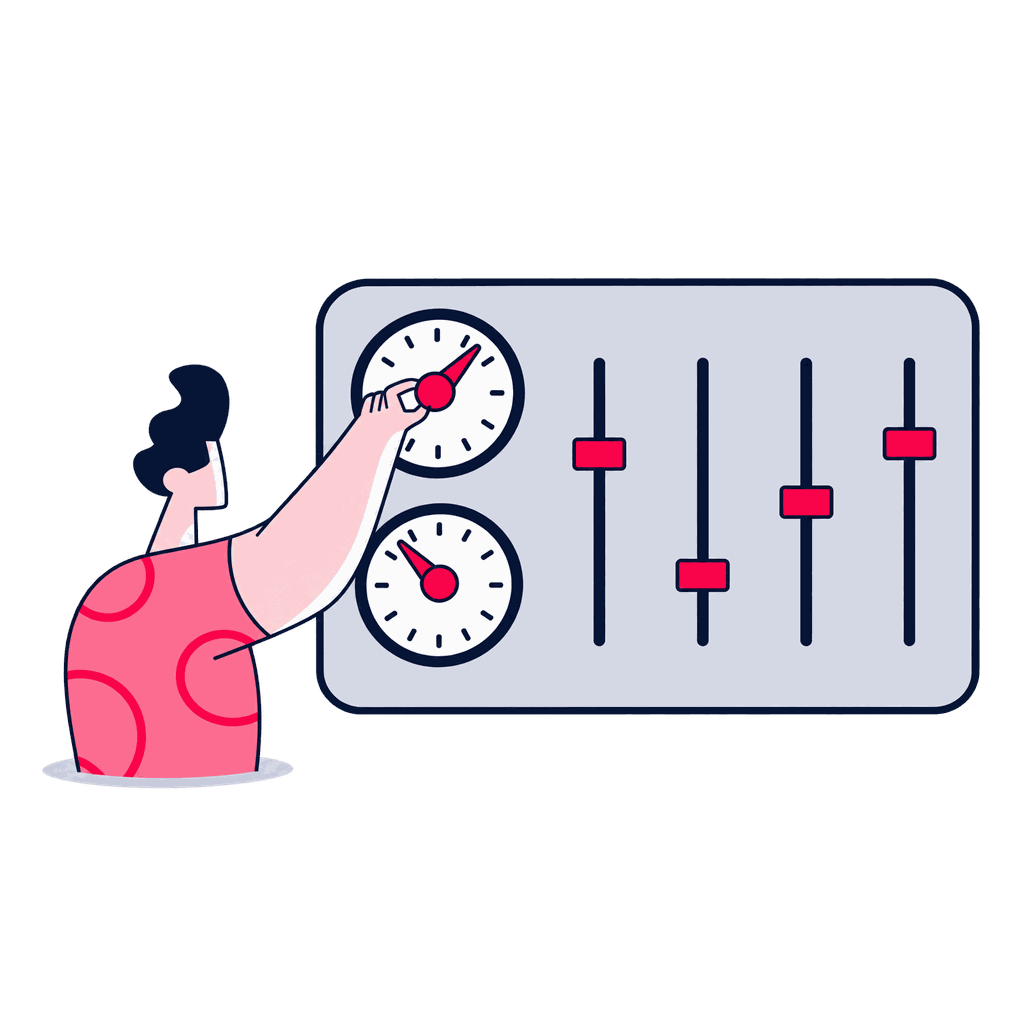
Calibrate the baseline
We compare the evidence with the agreed rubric, challenge exceptions, and keep domain-level weaknesses in view. Smoothing them into one score would defeat the exercise. Your sponsor decides which findings hold, require conditions, or remain unresolved.

Prioritize the remediation
Dependencies get mapped, owners get assigned, and the decisions needed to move the most consequential capability gaps go on record. The leadership sponsor accepts the order and assigns every remediation owner.


Named artifacts you keep
What you get
The baseline arrives with its evidence and ownership attached, which is what turns an assessment into a management view someone can actually use.
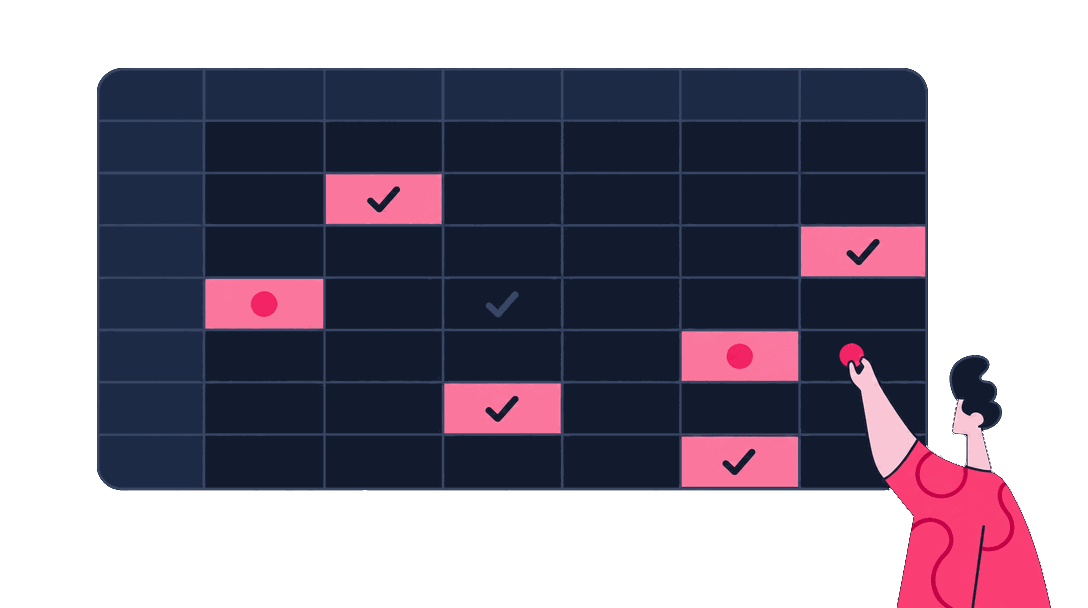
Matrix
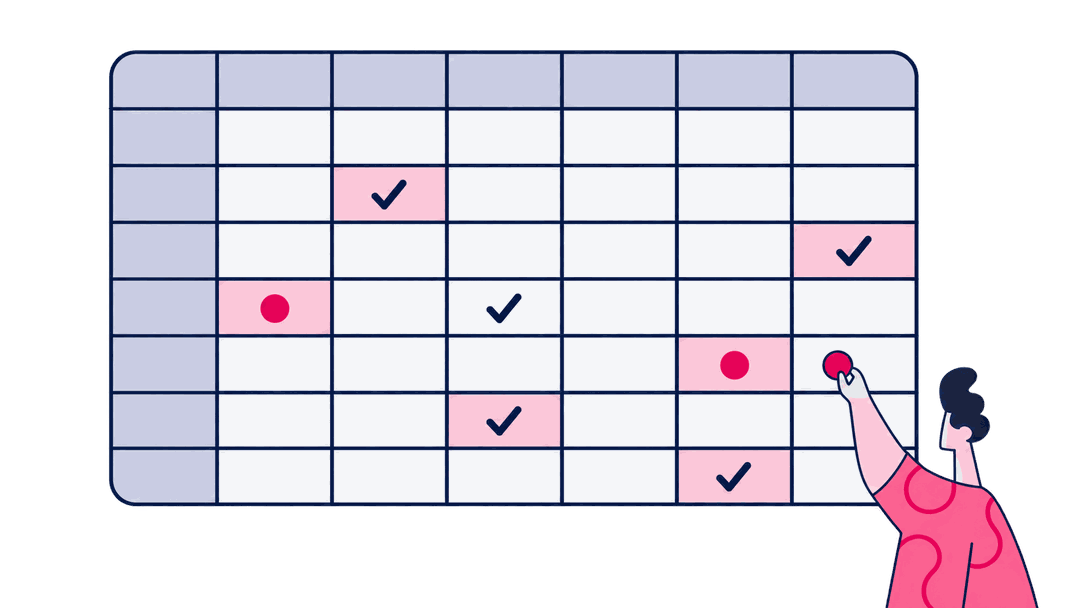
Six-domain maturity baseline and remediation map
The current capability picture across six domains, with the most important gaps and remediation priorities connected.
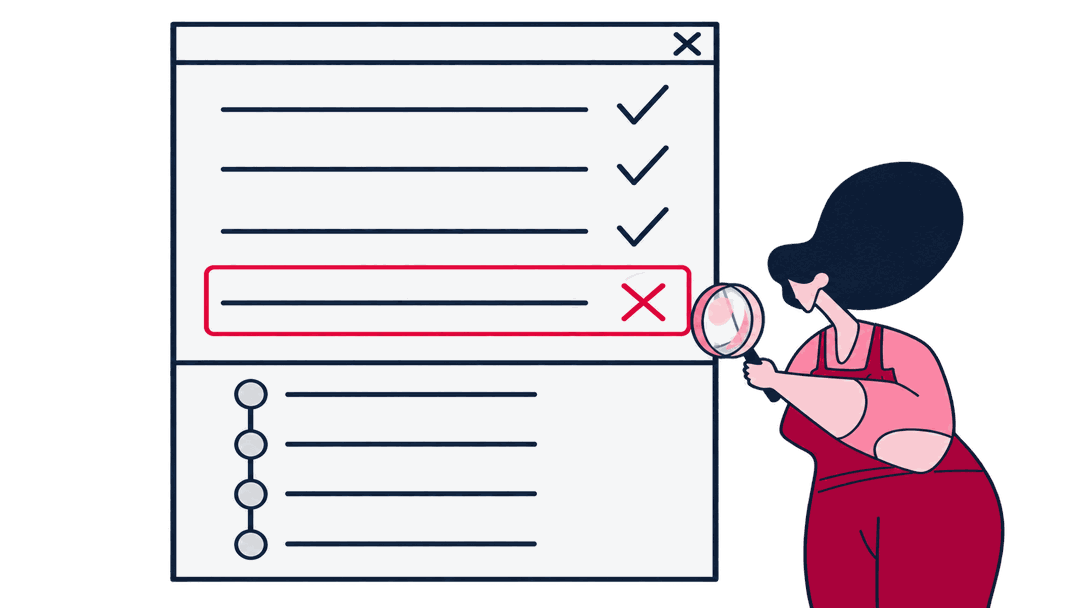
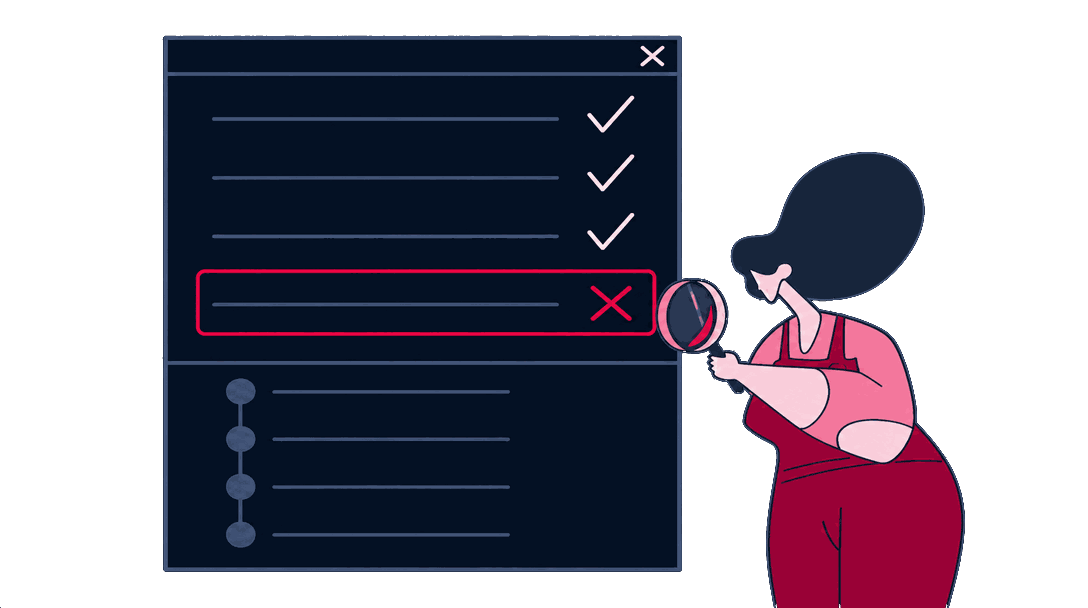
Test evidence
Baseline source list and cross-domain assumptions
The sources, open assumptions, cross-domain dependencies, and unresolved questions behind the baseline.


Report
Domain exceptions and uneven-capability findings
The tested findings, material exceptions, uneven capability patterns, and conditions that affect interpretation.
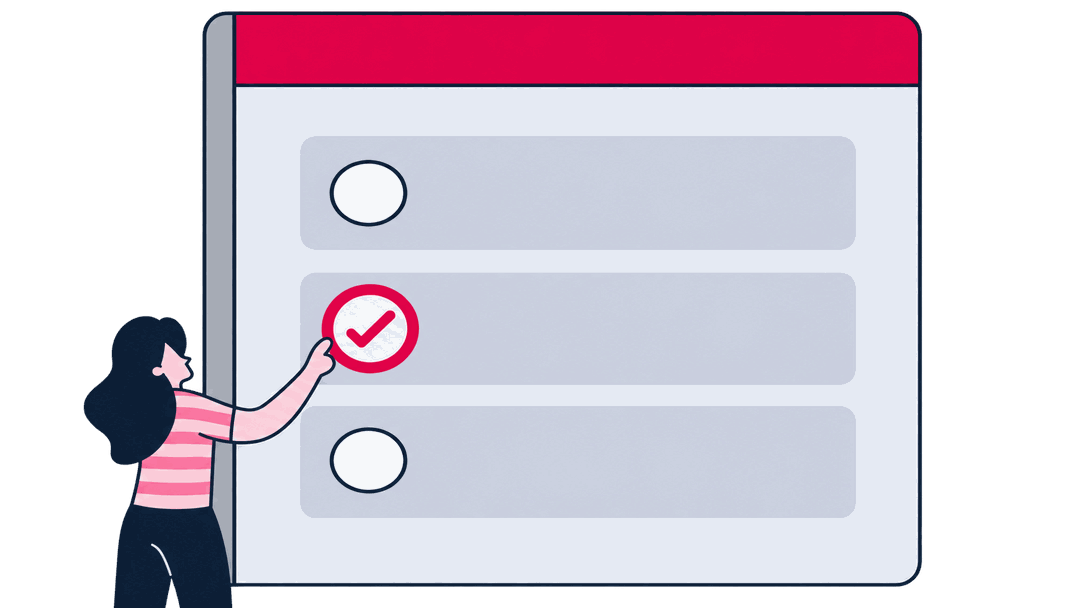
Decision record
Accepted priority list, owners, and next review
Leadership decisions, accepted conditions, remediation owners, and the next review point in one handoff.
Scope and honest limits
When to bring us in
The usual trigger is simple. AI initiatives keep multiplying, and leadership still has no single evidence-backed view of capability and ownership.
A good fit when
- AI initiatives are spreading across teams, but leadership still has no shared baseline across strategy, data, technology, governance, people, and operations.
- Domain owners can produce records, yet the evidence uses different formats and nobody can compare capability across the six enterprise domains.
- Leadership has collected maturity scores, but the numbers do not show which gaps matter first or who owns each remediation decision.
- A single enterprise score looks reassuring, while a weak domain and the evidence behind it disappear inside the average.
- Evidence, assumptions, dependencies, and exceptions sit in separate records, so nobody can trace what supports the maturity baseline.
- Teams describe strengths and blockers differently, which leaves the agreed rubric unable to show where capability is genuinely uneven.
- Remediation priorities have been named, but cross-domain dependencies, decision gates, and accountable owners remain unresolved.


Better handled as other work when
- You need an audit, certification, or regulatory approval. The maturity baseline supplies evidence, while the formal judgment stays with your authority.
- You want an industry ranking that ignores operating context, but this rubric compares your evidence only with the six-domain model you approved.
- You need the remediation plan implemented now. This assessment assigns priorities and owners, while delivery requires a separately approved scope.
If one of these is closer to your situation, start here instead: View the parent service
Advice from people who build
We've worked with more than 500 brands since Zeo started in 2011. The people helping you decide where AI fits, and where it doesn't yet, are senior engineers and strategists who build and operate production AI systems. The advice stays grounded in work that actually shipped.







Tools we use
Tools behind this work
 Airtable
structures evidence and ratings across six distinct maturity domains
 Notion
records rating definitions, assumptions, exceptions, and accepted remediation priorities
 Jupyter
checks rating consistency and dependencies across business units
Adjacent work
Where this leads


Advisory
Use-Case-Specific AI Readiness
Organizational maturity benchmarks identify which business units possess the operational readiness required to pilot advanced initiatives.

Assurance
Data Readiness for AI
Maturity evaluations assess corporate data governance and infrastructure to determine readiness for enterprise model deployments.
Assurance
AI Technology & Architecture Readiness
Overall capability scoring benchmarks IT infrastructure, cloud compute, and security posture against industry standards.
Next step
Turn maturity into owned priorities
Before you decide