













Management-system design · Readiness
ISO/IEC 42001 Readiness & AI Management System Design
ISO/IEC 42001 readiness depends on a defined management-system boundary that connects every process to authority, retained evidence, and review duties.
We define the boundary of the AI management system and show how its processes, roles, controls, interfaces, and retained records fit together. Representative evidence then informs an owned readiness backlog. Certification remains a separate decision for an accredited independent body. The readiness backlog is where your team looks next. Each item traces to a sampled record, a dependency, a priority, and a review date, under a system design that has a named owner.


Some of the 500+ brands we've worked with
See all references









































The run order, and who signs each step off
How we work
We begin with the processes and records the organization can show today. Design work, missing evidence, observed readiness, and future certification remain separate throughout.
Draw the management-system boundary
Your owner and our governance lead define the organizational scope, objectives, interfaces, authority, and evidence access. The boundary needs to be specific enough for each process to have a responsible person. Your management-system owner confirms the boundary and the authority attached to it.


Connect processes to records
Inside that boundary, we map each process to its roles, procedures, controls, inputs, outputs, retained evidence, dependencies, and known exceptions. A process without an owner or record stays incomplete. Your management-system owner confirms process ownership and the record each process retains.


Sample the process evidence
We examine representative processes and records instead of relying only on their stated status. Conflicting evidence, missing records, and conditions that prevent an honest readiness position are logged as exceptions. Your management-system owner decides which exceptions block the observed readiness position.


Sequence the remaining work
Each observed gap receives a priority, owner, dependency, next decision, and review date. The handoff separates process design, missing evidence, and unresolved authority so the backlog can be worked in the right order. Your management-system owner accepts the backlog priorities and assigns their owners.


Named artifacts you keep
What you get
The delivered system design shows how the management processes are meant to operate. The backlog separately records missing evidence, incomplete design, dependencies, and decisions still waiting on an owner.
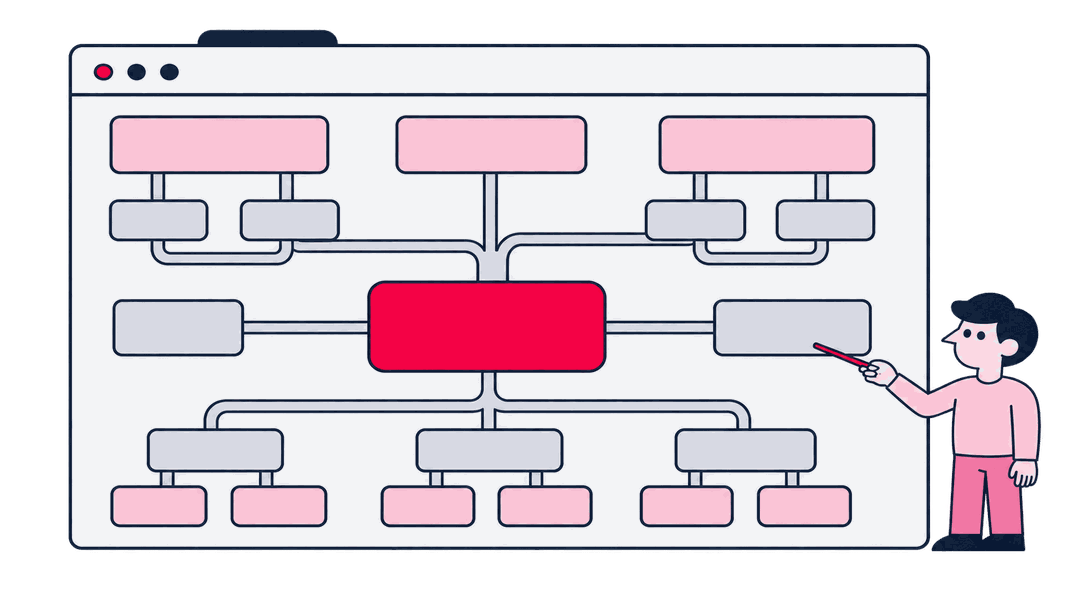

Architecture document
Management-system process map and readiness backlog
Boundary, objectives, process architecture, roles, interfaces, observed gaps, priorities, and owners for the management system.
Matrix
Source-record list for process dependencies
The source records, open assumptions, exceptions, and cross-process dependencies used during the readiness review.
Test evidence
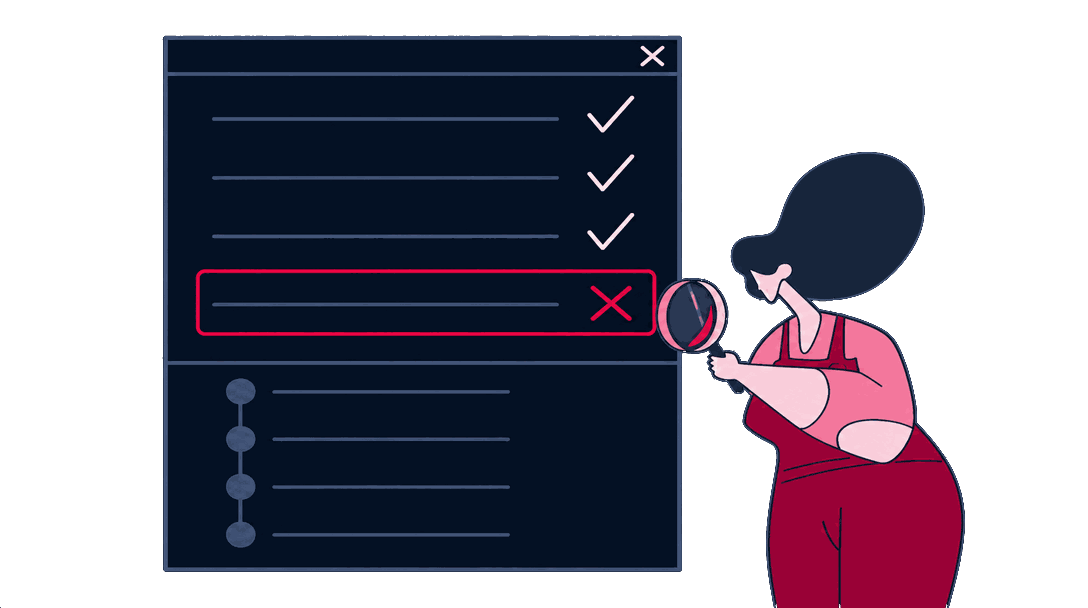
Sampled-process findings and exception report
The processes sampled, evidence examined, contradictory records, critical exceptions, and review conditions.

Roadmap
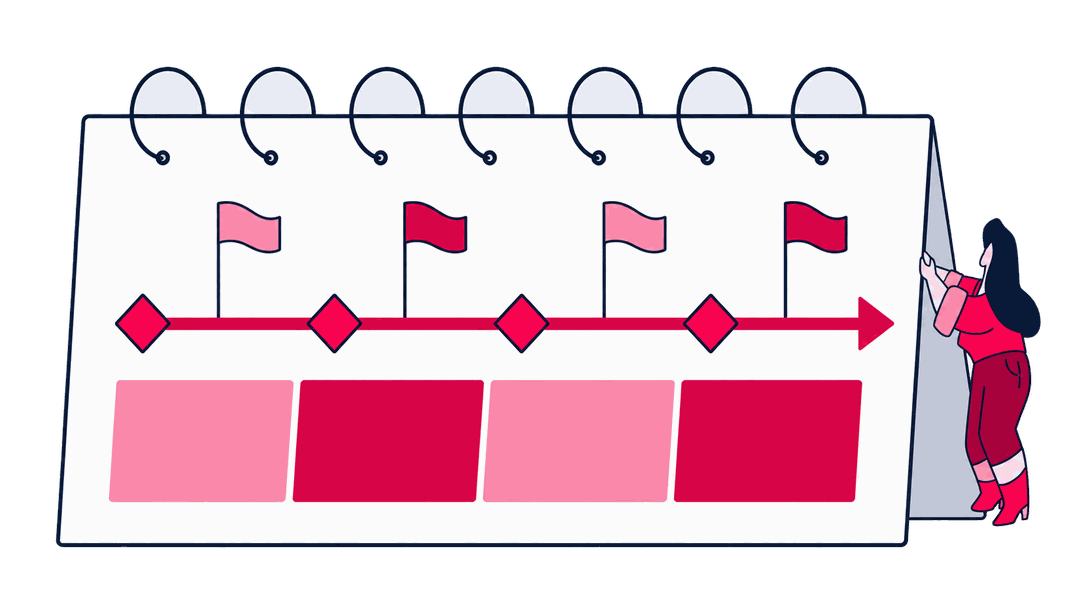
Accepted scope, backlog owners, and next-review plan
The accepted system scope, priority backlog, responsible owners, dependencies, open conditions, and next review date.
Scope and honest limits
When to bring us in
Start here when AI governance activities exist but do not yet operate as one management system, and certification remains a separate decision.
A good fit when
- AI governance work is already under way, but nobody can draw the management-system boundary that puts those activities under one owner.
- Processes have named owners, yet retained records and review duties still vary enough that readiness cannot be compared across teams.
- The readiness backlog keeps growing, but priorities remain unclear because dependencies, owners, and review timing were never linked to the sampled records.
- Your management-system boundary exists in fragments, so process roles and interfaces cannot yet be assigned against one accepted scope.
- Controls are listed, but their retained evidence, dependencies, and known exceptions are not mapped process by process.
- Teams describe their processes as ready, yet representative records have not been checked for missing or contradictory evidence.
- Observed gaps have entered a backlog, but each item still needs a priority, accountable owner, dependency, and next decision date.


Better handled as other work when
- You need certification or a conformity decision. The management-system design records readiness, while an accredited independent body makes that call.
- You want Zeo to interpret ISO/IEC 42001 or the law for you. Qualified specialists and your own authorities retain that responsibility.
- Every backlog item must be implemented during this engagement. Work beyond the agreed management-system design needs its own delivery scope.
If one of these is closer to your situation, start here instead: Explore AI governance
Advice from people who build
We've worked with more than 500 brands since Zeo started in 2011. The people helping you decide where AI fits, and where it doesn't yet, are senior engineers and strategists who build and operate production AI systems. The advice stays grounded in work that actually shipped.







Tools we use
Tools behind this work
 Vanta
Vantathe ISO/IEC 42001 framework automation that pulls evidence continuously instead of by hand
 Langfuse
the run-level trace log a sampled AI process gets checked against
 ISMS.online
the ISO 42001 framework structure the management-system boundary gets modeled against
Adjacent work
Where this leads


Advisory
AI System Inventory & Risk Classification
AIMS standards require an authoritative asset register mapping every deployed model to risk categories and operational owners.


Advisory
AI Governance Framework Design
Management system policies establish the operational procedures, continuous improvement cycles, and oversight bodies required for certification.


Advisory
AI Policy & Acceptable-Use Design
ISO management controls mandate documented employee policies governing model usage, data security, and ethical considerations.
Next step
Define the system before a certification review
Before you decide