













AI Evaluation & Assurance · Cross-functional release review
AI Launch Readiness Review
A launch review is decision-ready only when every discipline works from the same dated dossier, each material finding has an owner and expiry, and post-launch obligations survive the meeting.
The launch case usually exists, just not in one place. Evaluation reports sit with one team, security and privacy inputs with others, runbooks and support plans somewhere else, and open findings have owners nobody can name. We assemble the current evidence, test whether the case is complete enough to decide, and put go, conditional-go, or no-go in front of the release authority you designate. The release authority leaves with a signed go, conditional-go, or no-go brief that links every accepted condition to its owner, verification plan, expiry, and next review.


Some of the 500+ brands we've worked with
See all references













































The run order, and who signs each step off
How we work
The review follows the release case from source evidence to signed decision. Missing material stays visible, every proposed condition gets an accountable owner and an expiry, and post-launch obligations survive the meeting.
Build the release dossier
We assemble the release scope, intended use, evaluation results, architecture, controls, privacy and security inputs, runbooks, training, support readiness, and material open findings. Each item is linked to its source, reviewer, and current version. Your review lead confirms each evidence source is current and trustworthy.


Turn open findings into release conditions
For each material finding, we record severity, the accountable functional owner, the proposed condition, verification plan, expiry, residual risk, and any obligation that continues after launch. Each functional owner confirms their own findings and proposed conditions.


Challenge the full release case
Product, engineering, risk, privacy, security, operations, and support owners examine the dossier together. They challenge gaps, stale evidence, conflicting claims, unresolved conditions, and whether the operating model can support the proposed scope. Your release authority decides go, conditional-go, or no-go in the room.


Sign the decision and carry the obligations forward
The signed record states the decision, accepted conditions, residual risk, functional owners, expiry dates, verification commitments, post-launch obligations, and the next review trigger. Your release authority signs the record and accepts the residual risk.


Named artifacts you keep
What you get
Together these form one release dossier: the evidence considered, the conditions attached, the operating coverage available, and the signed decision with its expiry.
Test evidence
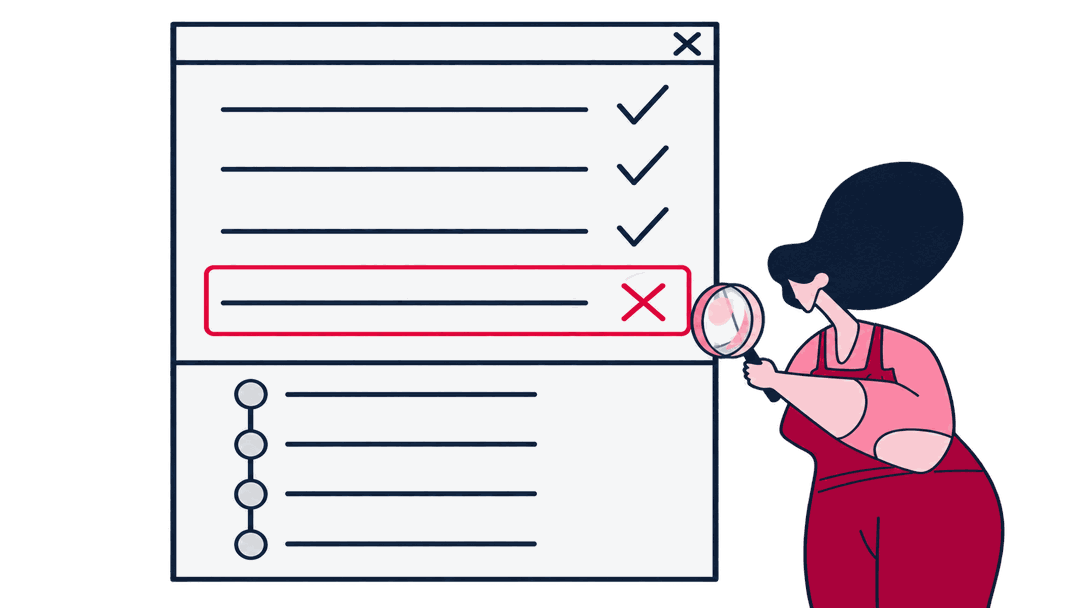
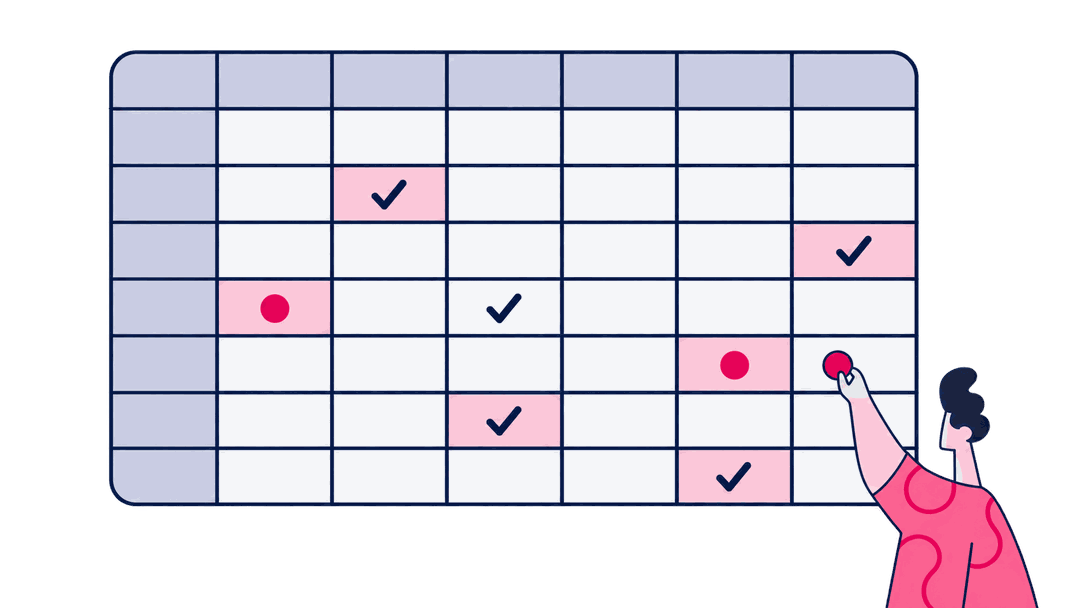
Launch discipline coverage and freshness list
Shows which quality, security, privacy, operations, oversight, training, and support evidence is present, missing, or stale.
Risk register
Open-finding owner, condition, and expiry list
Lists open findings with severity, the owner responsible, proposed condition, expiry, and verification status.
Matrix
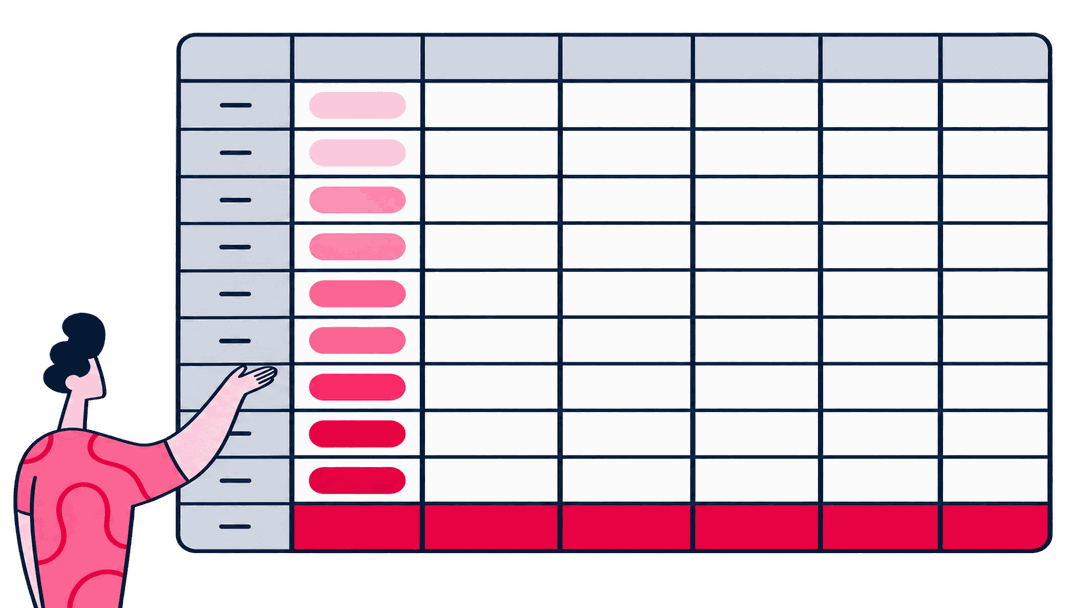
Residual-risk and operating-coverage map
Connects residual risk to controls, runbooks, human oversight, support paths, and post-launch monitoring obligations.
Decision record
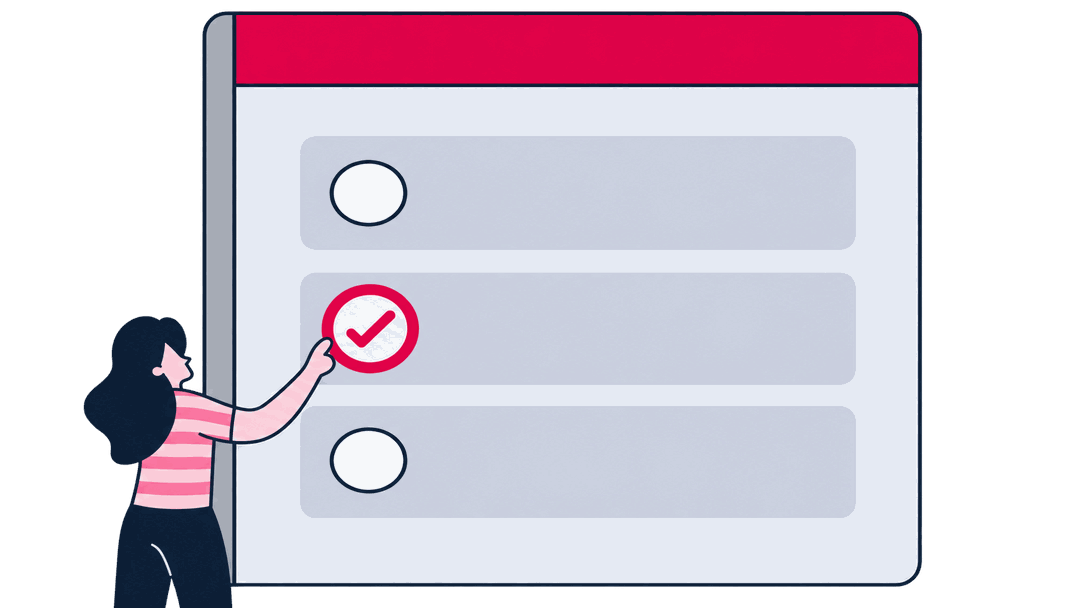
Signed launch outcome, conditions, and next-review brief
Records go, conditional-go, or no-go, plus accepted conditions, residual risk, owners, expiries, and the next review.
Scope and honest limits
When to bring us in
Use this review when each function holds part of the answer and the release authority still lacks one current, reviewable case. The work is as much about missing and expired evidence as it is about completed checks.
A good fit when
- Each function holds a different part of the launch case, so the release authority cannot review one current dossier before the decision.
- Open findings carry severity labels, but missing owners, conditions, or expiry dates keep the release authority from weighing them.
- A go, conditional-go, or no-go decision is due, yet nobody has taken ownership of the conditions and obligations that will follow it.
- The release authority needs one evidence inventory, because quality, security, privacy, operations, and support checks still sit in separate files.
- A finding has a severity label, but nobody can trace its owner, launch condition, verification plan, or expiry in one place.
- Functional owners need to challenge the same dossier together, so the go, conditional-go, or no-go workshop can expose conflicting claims.
- The launch decision must remain reviewable after the meeting, yet residual risk, expiries, and the next trigger are not recorded together.


Better handled as other work when
- You need the launch dossier to serve as legal, audit, or certification approval. It records the evidence, while those conclusions stay with your qualified authority.
- You want an external team to replace your release authority. We assemble and challenge the case, but your designated authority still makes the launch call.
- You need open findings fixed or the system operated after launch. The review assigns conditions, while remediation and ongoing operation need separate scope.
If one of these is closer to your situation, start here instead: See the evaluation service
We operate the systems we test
It's hard to test a system well if you've never had to keep one running. We operate production AI ourselves, so our evaluation, security testing, and LLMOps work starts from what actually breaks. The people on it are senior engineers, and Zeo has been doing client work since 2011.







Tools we use
Tools behind this work
 Confident AI / DeepEval
the dated evaluation reports the release dossier checks for currency
 Langfuse
the trace evidence a cross-functional challenge inspects when a finding is disputed
 Datadog
the operational readiness evidence that usually sits with a separate team
 Mindgard
the security team's own input, pulled into one dossier alongside the rest
 Guardrails AI
re-verifies an open finding once it's turned into a release condition
Adjacent work
Where this leads


Advisory
AI Evaluation Strategy
Our coverage list keeps surfacing evidence with no owner and no expiry date. Fixing that means agreeing what acceptable behavior is, what the thresholds are, and who may approve a release.


Build
Golden Dataset Development
A dossier can carry a passing score without showing which cases produced it. A versioned set with recorded provenance and protected splits is what makes the coverage claim inspectable.


Assurance
Independent AI Agent Evaluation
Every agent result in the dossier was produced by the team shipping the agent. A conditional-go often turns on rerunning the material findings under scope that team does not control.
Next step
Put one current launch case in front of the decider
Before you decide