



AI Data & Annotation · Build
AI Data Preparation & Validation
Every cleaning rule, removal, transformation parameter, split, leakage check, and accepted exception must stay attached to the raw and prepared dataset versions it changed, or the prepared data cannot be trusted.
An approved raw version becomes risky the moment cleaning rules disappear into a notebook. We prepare it for one training or evaluation job and keep every cleaning rule, removal, split, and validation result connected to the dataset version it changed. For the approved use, the data owner receives a raw-data baseline, reproducible transformation record, split and leakage findings, and a version card naming the accepted dataset.


Some of the 500+ brands we've worked with
See all references





















The run order, and who signs each step off
How we work
Nothing material happens off the record. The raw version, transformation parameters, removed records, proposed splits, test results, and accepted dataset remain linked.
Profile the source data
We compare schema, distributions, missing values, known defects, sensitive fields, and defined slices with the intended training or evaluation use. Your data owner confirms the source versions and acceptance criteria.


Clean with a record
We clean, normalize, and transform the data while recording parameters, removals, and exceptions. Rare but consequential cases receive a separate check before they disappear from the dataset. Your data owner approves which cleaning parameters and removals are acceptable.

Challenge splits and leakage
We test duplicates, contamination, train/evaluation leakage, split integrity, schema validity, coverage, and critical slices. This is where inflated quality estimates and hidden gaps become visible. Your data owner accepts or sends back each flagged leakage or contamination case.
Record the accepted dataset
We assemble the manifest, dataset card, lineage, validation evidence, known limitations, and accepted exceptions for the stated use. The data owner decides which dataset version and exceptions are approved.
Named artifacts you keep
What you get
One record explains the raw condition, another shows how it changed, and the final handoff states which version and exceptions the data owner accepted.
Report
Raw-data schema and defect baseline
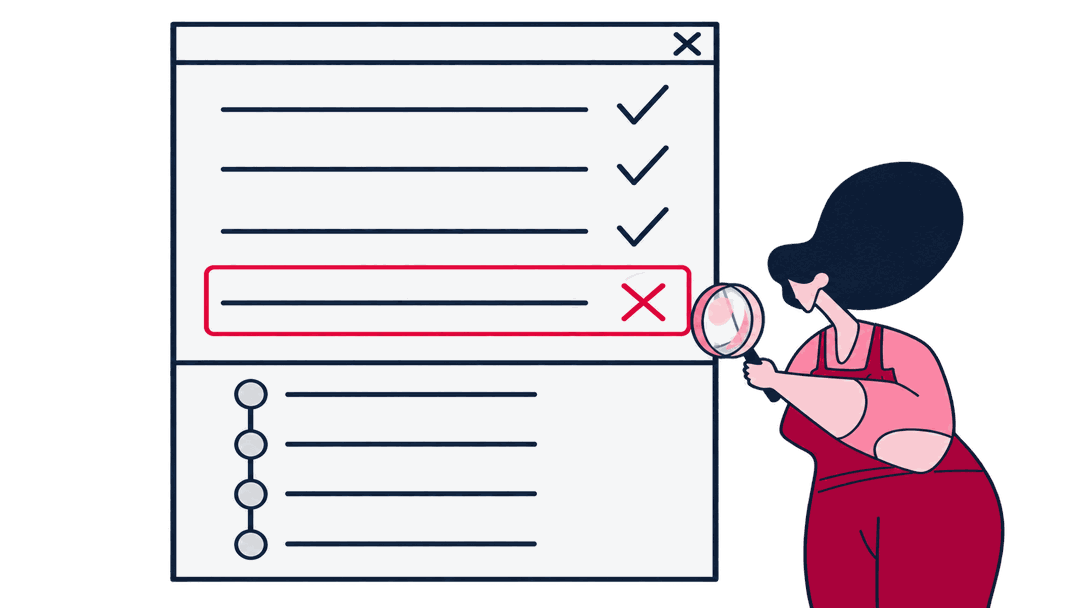
A baseline of schema, distributions, missing values, duplicates, sensitive fields, known defects, and defined slices for the raw dataset version.
Playbook
Reproducible transformation and cleaning log
The ordered transformations, cleaning rules, parameters, removals, exceptions, and version history used to produce the prepared data.
Test evidence
Deduplication, leakage, and split report
Results for duplicates, contamination, train/evaluation leakage, split integrity, and required slices, with unresolved exceptions kept visible.
Dataset
Validated version manifest and data card
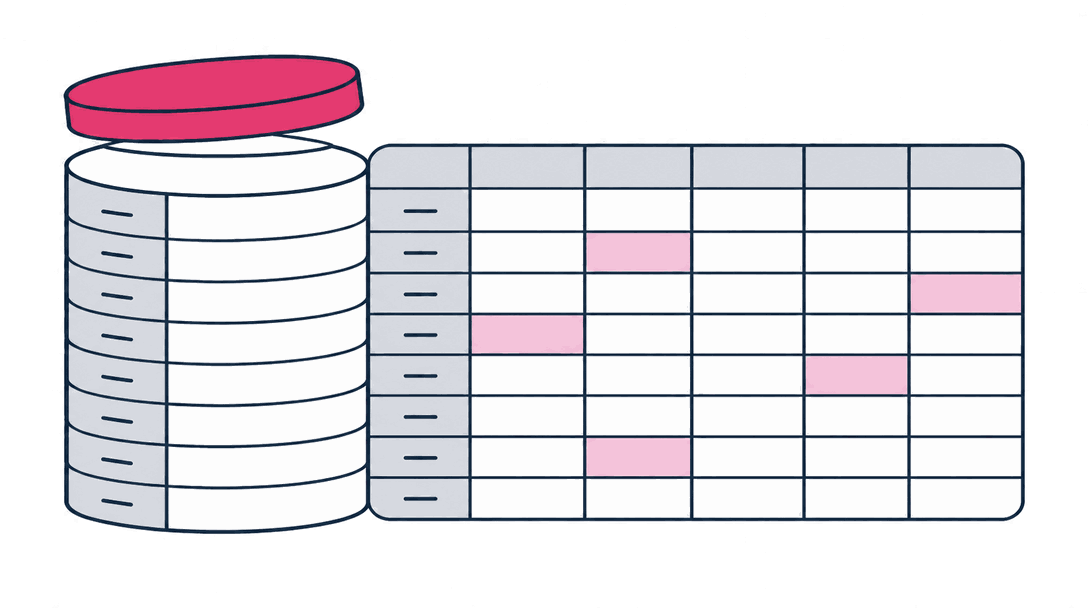
The accepted dataset version, lineage, schema, intended use, quality evidence, limitations, exceptions, and ownership in one handoff record.
Scope and honest limits
When to bring us in
This is the work between acquiring raw data and trusting a training or evaluation set. It fits when transformations and split decisions must be reproducible and reviewable.
A good fit when
- Your intended use is clear, but schema, quality expectations, sensitive-data rules, and critical slices have never been written into one acceptance brief.
- Known defects, duplicates, contamination, and split constraints are tracked separately, so nobody can judge the raw dataset as one candidate version.
- The prepared dataset looks usable, yet nobody can rebuild it from approved raw versions and the transformations recorded for that run.
- Cleaning and normalization happen in notebooks, but schema checks and transformation parameters are not tied to the dataset version they changed.
- Deduplication and sensitive-data handling are applied before the train and evaluation split, yet leakage and contamination remain unreviewed.
- The aggregate quality looks acceptable, but critical-slice coverage, lineage, and reproducibility fail on consequential records.
- A dataset card exists, though it does not name the accepted version, intended use, open exceptions, or the data owner who approved them.
Better handled as other work when
- You want the source data or sensitive-data use declared legally approved. We preserve the usage evidence, and your legal reviewer reaches that conclusion.
- You need cleaning to remove every bias, defect, or future leakage risk. Validation records the checks and slices examined, not a universal guarantee.
- You need missing data acquired or the downstream pipeline operated. This work prepares and validates one approved version, and those services need separate scopes.
If one of these is closer to your situation, start here instead: Explore AI data services
Engineers who ship production AI
This is the part of Zeo that writes and ships code. Our senior engineers build agents, chatbots, and RAG pipelines, along with the automation and data work around them, and they keep operating those systems once they're live. We've worked with more than 500 brands since 2011.







Tools we use
Tools behind this work
 DVC
DVCthe version record keeping every cleaning rule connected to the dataset it changed
 Hugging Face
the hosted dataset card documenting preparation and limitations for downstream teams
 Jupyter
the notebook that is itself the cleaning record, not just where cleaning happens
 Snorkel AI
the programmatic labeling-function layer making a cleaning rule reusable and auditable
 Tonic
Tonicthe synthetic data letting split and validation logic get tested without exposing the real set
 Labelbox
the structured record holding validation and reviewer decisions, not just cleaned data
Adjacent work
Where this leads

Build
AI Dataset Collection
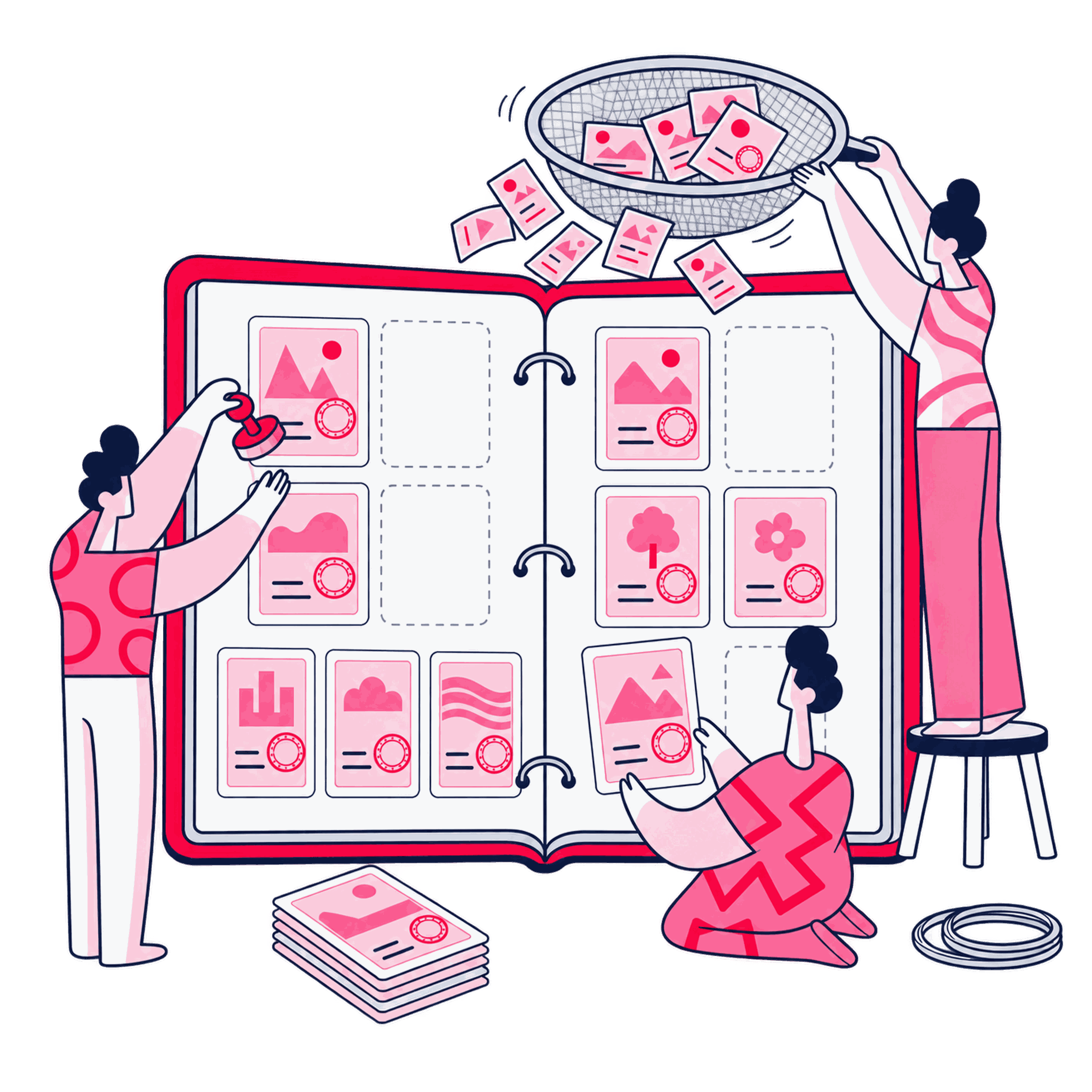
Validation reports the gap it finds; it cannot fill it. A slice that fails coverage after cleaning sends you back to the population definition and the sources allowed to feed it.

Operations
Data Annotation & Labeling
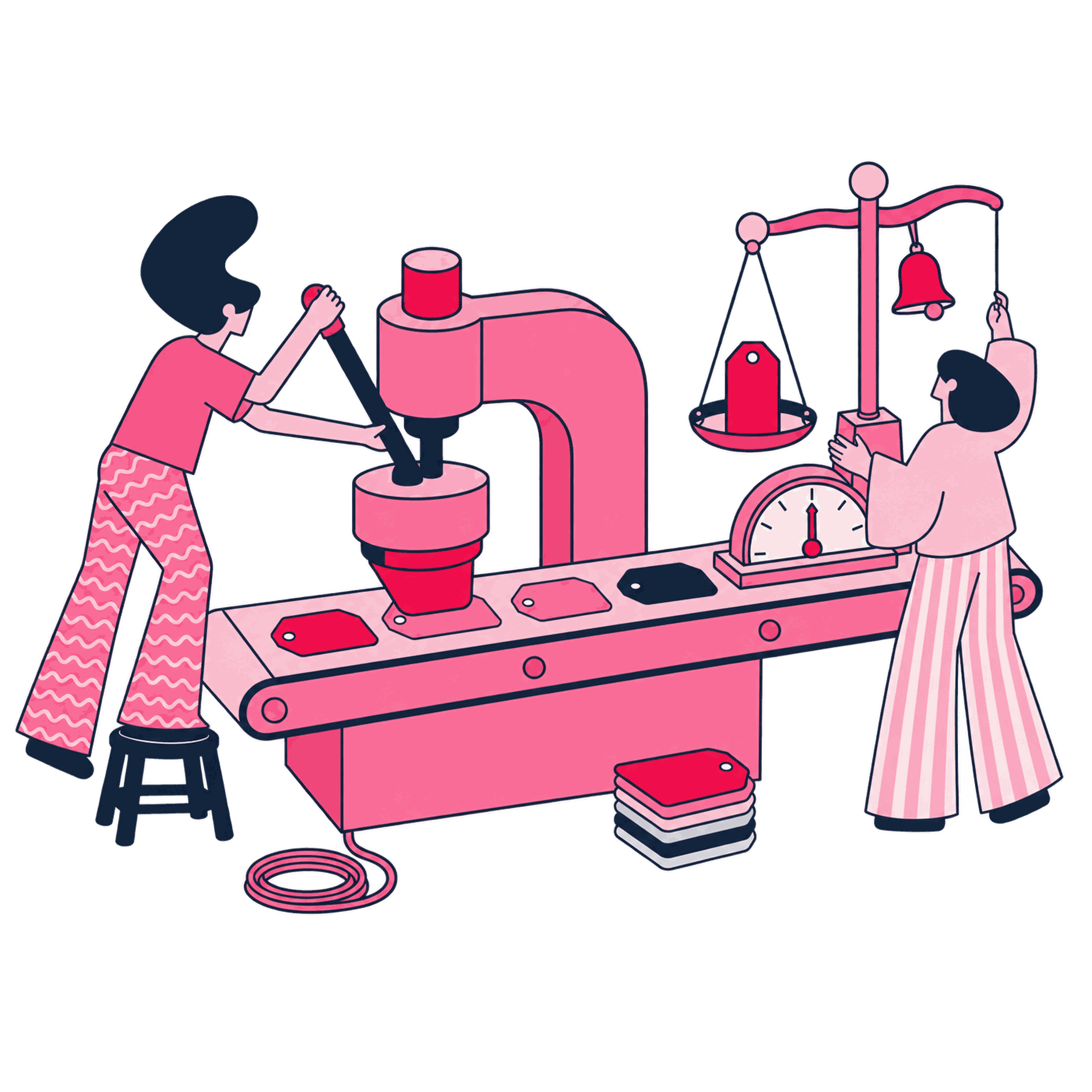
Cleaning removes records that are wrong. Deciding which of two defensible readings of a hard record is correct needs a rubric, calibrated annotators, and an expert who can adjudicate.
Advisory
AI Data Strategy & Architecture
Each prepared version carries its own accepted exceptions. Once the same exception is granted on three jobs in a row, it stops being a data-owner call and becomes a target-state condition.
Next step
Make the prepared version reproducible
Before you decide