







Expert interviews that preserve what was actually said
Expert Interview & Knowledge Capture
Capture the expert's knowledge in their own words, with clear approval for what can be used.
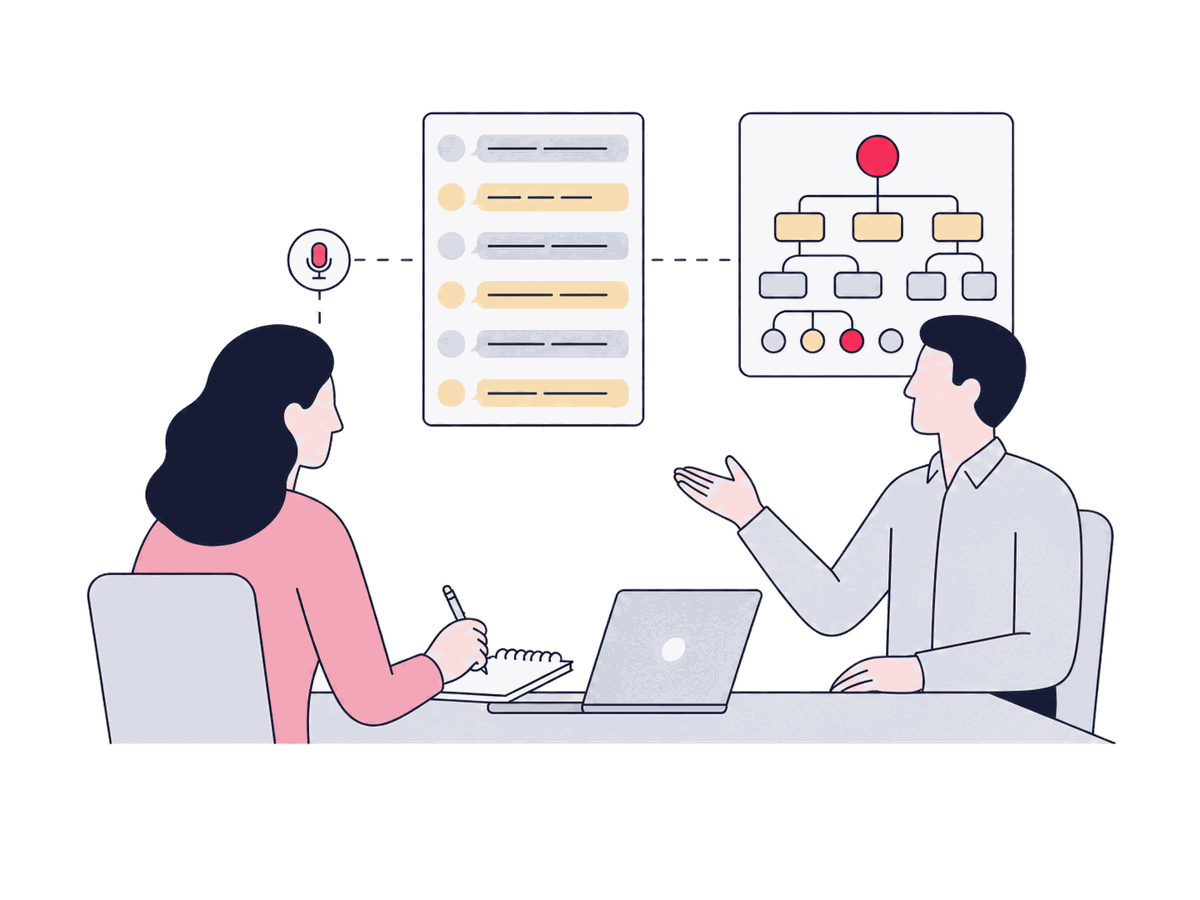
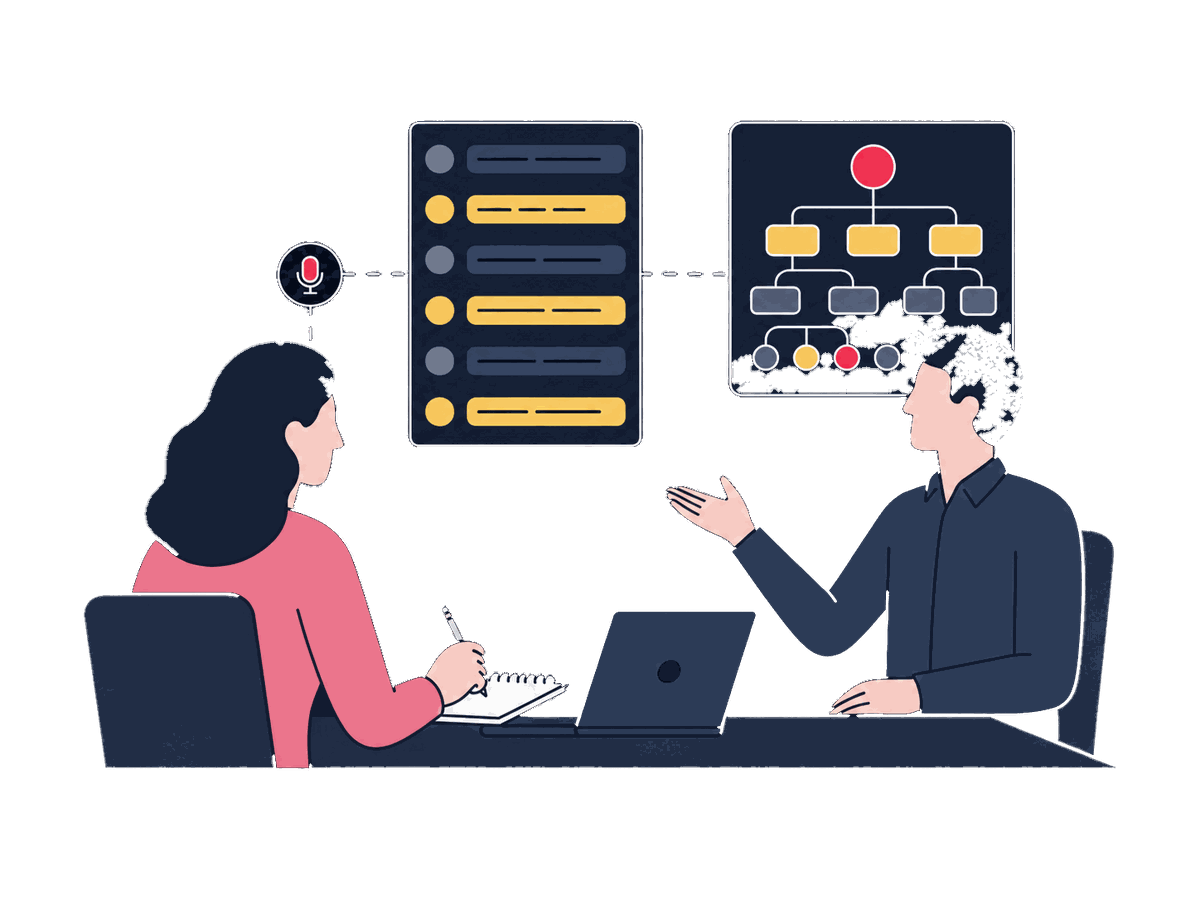
Important expertise often lives in conversation rather than documentation. We capture it in an interview, organize it into a transcript and claim map, and return only the quotable material the expert has reviewed and approved. You walk away with a reviewed transcript, an approved claim and quotation set, and clear reuse permissions a writer can work from without booking another interview.
Some of the 500+ brands we've worked with
See all references





































How we run it
How a conversation becomes approved source material
We move from a focused conversation to approved, reusable source material while keeping the expert's meaning and limits intact.
Identify the questions that require this expert
We define the knowledge gap and focus on questions that general research cannot answer, giving the interview a clear purpose from the start. Before anything is scheduled, the researcher confirms that the questions justify the expert’s time.
A scoped set of interview objectives and consent conditions.

Prepare follow-ups that uncover useful detail
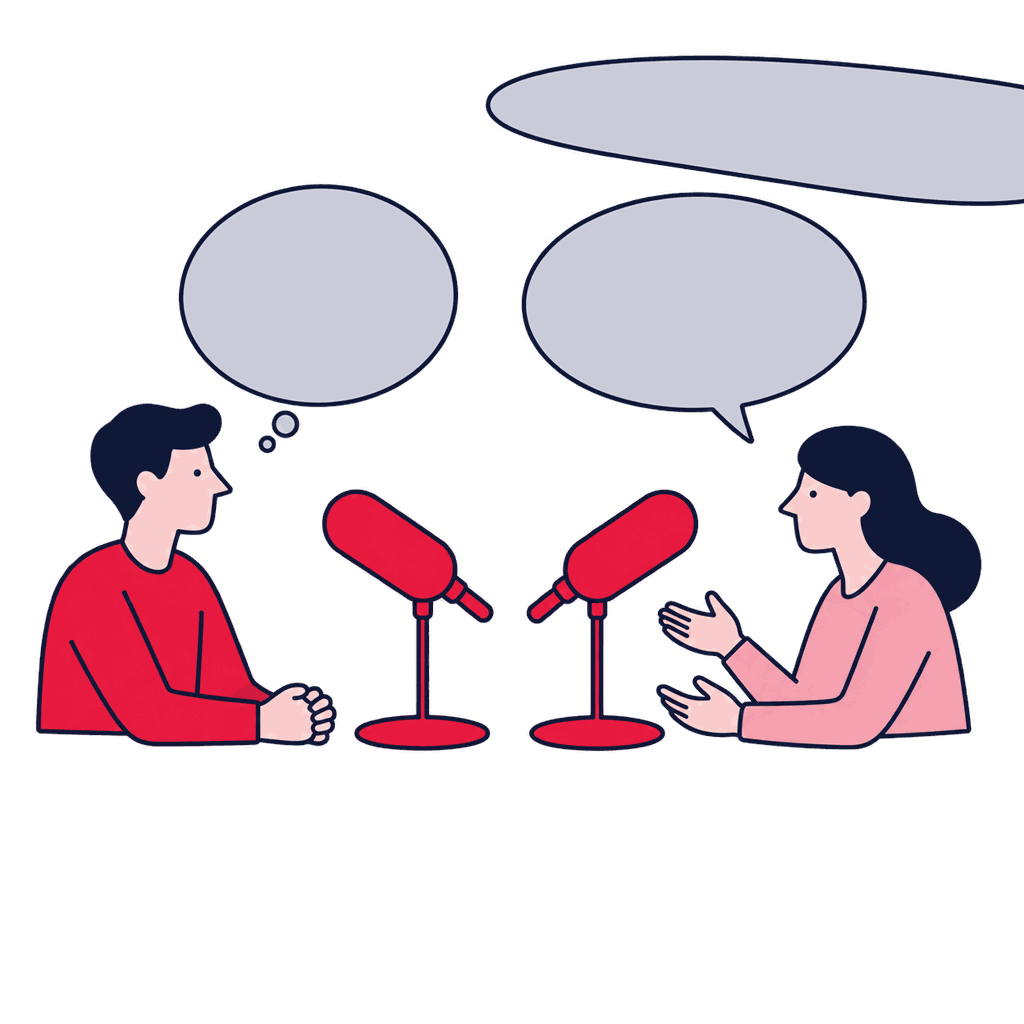
The guide asks about decisions, examples, exceptions, and uncertainty so the interview captures more than the expert's first, obvious answer. The researcher chooses follow-up questions that genuinely probe for exceptions.
A source-aware interview guide built around this expert's actual domain.

Conduct the interview and mark what needs review
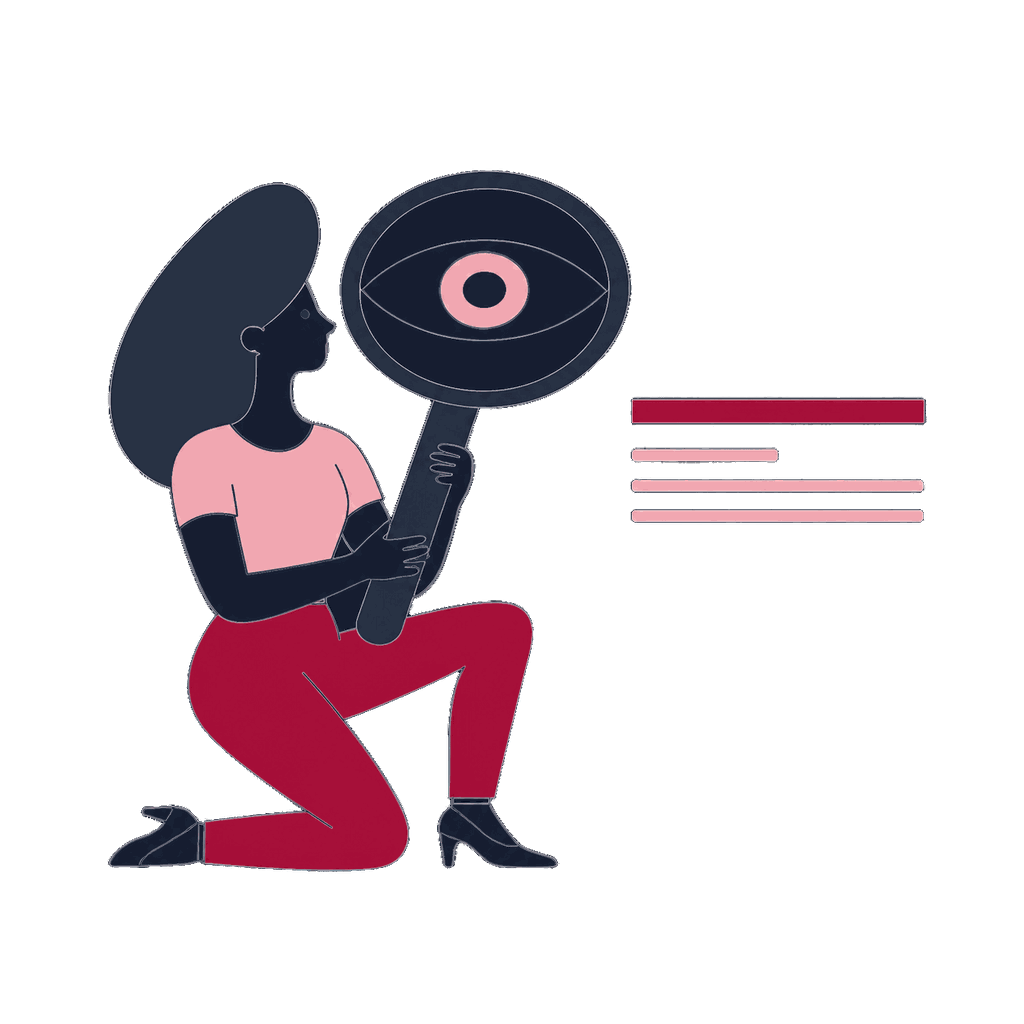
With consent recorded, we lead the conversation and produce a transcript that marks claims, anecdotes, sensitive passages, and points requiring follow-up. Before the transcript is shared, a person identifies sensitive material and removes it from view.
A full transcript with claims and quotable moments marked.

Turn the transcript into a claim map for approval
We trace each substantive claim to the transcript. The expert then reviews its meaning, attribution, and publication status, including anything that should remain off the record. The expert is the only one who can approve what gets quoted and what stays off the record.
An approved claim map with quotable excerpts and clear reuse permissions.
Organize the approved material for future writers
We arrange approved excerpts and claims by topic so writers can use them in articles, reports, or scripts without repeating the interview. A writer should not have to guess, so the researcher determines how the dossier is organized.
A knowledge dossier ready to feed multiple downstream pieces.

The transcript is a starting point for approval
Agents can produce a transcript and flag passages that may contain claims, anecdotes, or useful quotations. Meaning and publication permission remain with people. A Zeo interviewer leads the conversation, and the expert reviews every attributed claim and quote, including anything ambiguous or off the record, before the material can be used.
What you get
What you receive after the expert review
Every deliverable traces back to a conversation the expert has reviewed and cleared for use.
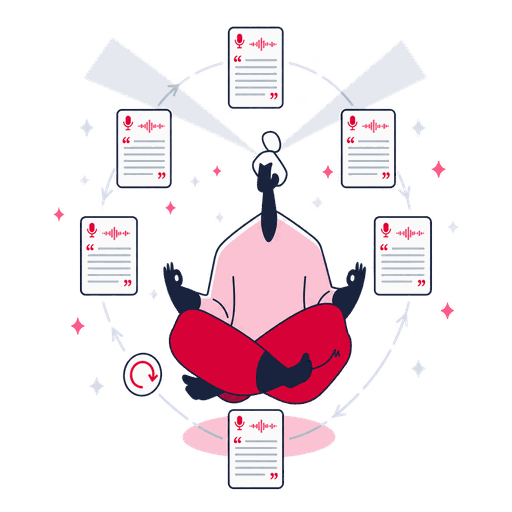
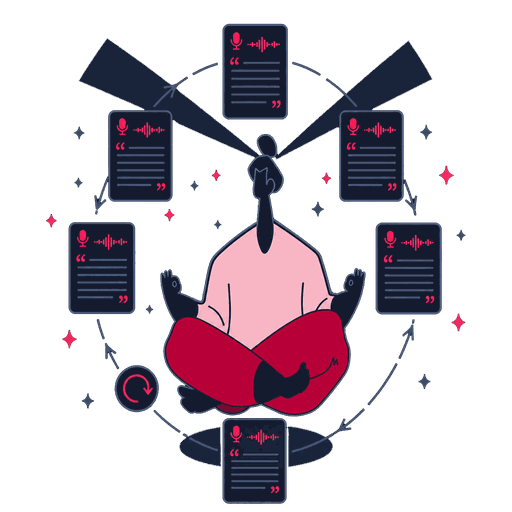
A reviewed interview transcript
A complete transcript with consent recorded and any sensitive or off-record passages clearly identified.
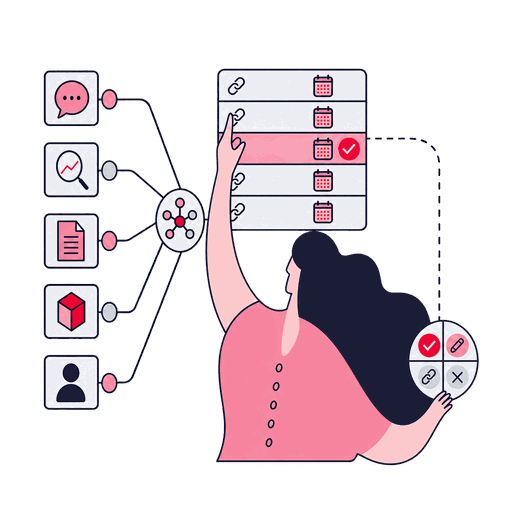
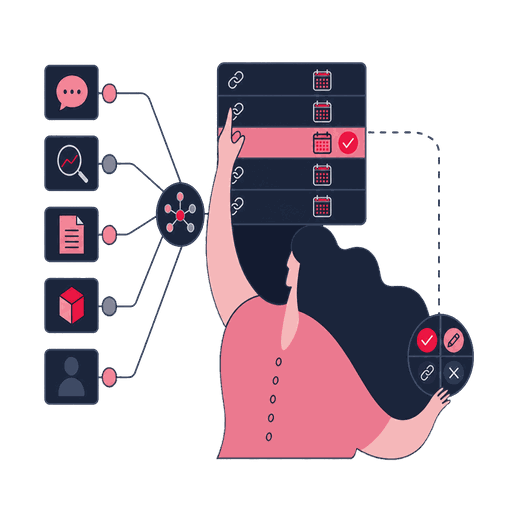
An approved claim map and quotation set
Topic-by-topic claims and excerpts, each tied to the expert's words and marked with its approved attribution.
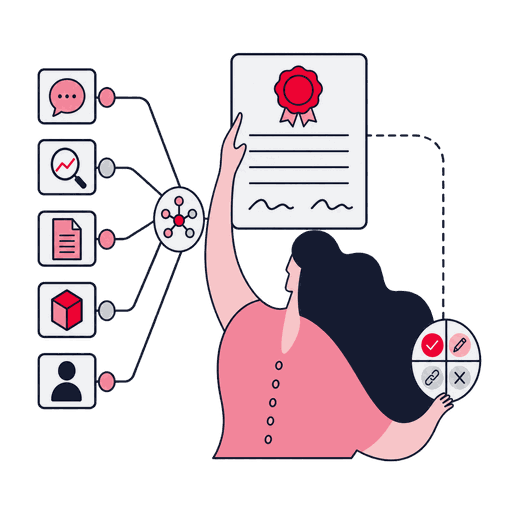
Clear reuse permissions and unresolved questions
A practical record of where each passage may appear and which points still need clarification.
We call it done when: the expert has reviewed and approved every claim and quote attributed to them, and the dossier is organized enough that a writer can use it without another interview.
Who it fits
An interview is the best source
Use this method when the useful knowledge lives in a particular person's experience or judgment. If a generalist could find the same answer through ordinary research, you don't need it.
A good fit when
- An executive or specialist has relevant experience or judgment that has never been documented clearly.
- Your content needs attributable insight that desk research and general summaries cannot provide.
- An inaccurate paraphrase would change the meaning of a specific claim, so the expert's own words and approval have to travel with the material.


Better handled as other work when
- The request calls for plausible expert commentary without an expert, so an accountable source has to be found before knowledge capture begins.
- The expert will not review the transcript or decide what may be quoted, so the material cannot carry a reliable permission state into publication.
- The goal is dozens of lightweight quotations, so the expert's time would be spread thin instead of spent on one reusable conversation.
People who write and ship this content
Some of these consultants write the pages themselves. Others plan distribution or check how a piece performs once it's live, so the team below covers more than one stage of the work.
Didem Himmetli
Marketing Executive
Ezgi Gülsen Yaylı
SEO Manager

Yiğit Konur
Founder & Chief Strategy Officer
Hande Parmaksız
SEO Manager
Sinem Bakır Yavaş
Senior SEO Executive
Sena Önder
Senior SEO Executive
Bensu Tınastepe
Senior SEO Analyst
Gülşah Şahin Özkan
Senior SEO Analyst

Ali Özgün Öz
SEO Executive

Ruhan Tiryaki
Senior SEO Analyst
Yağmur Bayram
Sr. SEO Analyst

Emir Kağan Kahveci
SEO Analyst
Zafer Yıldız
Web Analytics Manager
Tools we use
Tools behind this work
 Otter.ai
records the interview with speaker labels and searchable, timestamped text
 Airtable
the claim map: one row per statement, tagged fact or opinion, approval status attached
 Notion
the approved-material library future writers actually draw from
Where this leads next
Where a captured interview feeds next
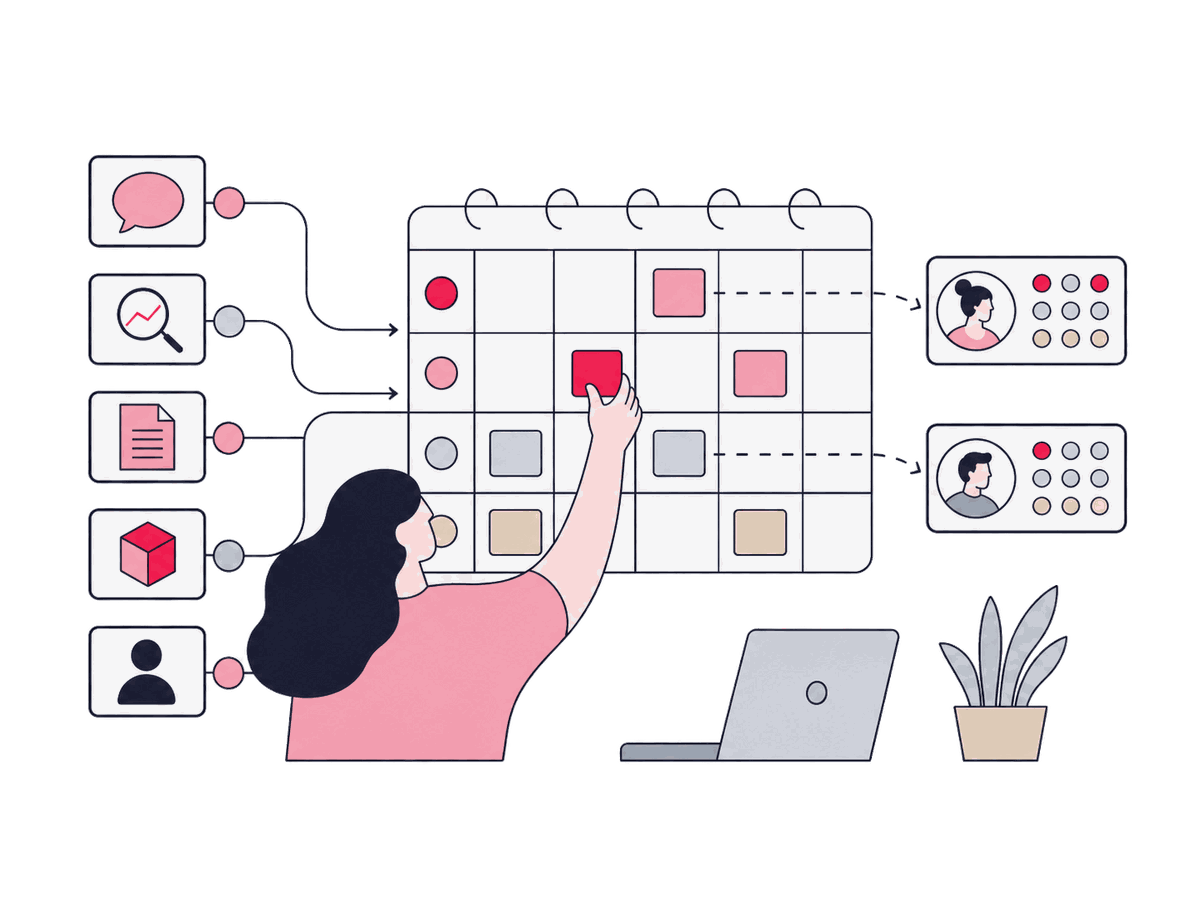
Upstream
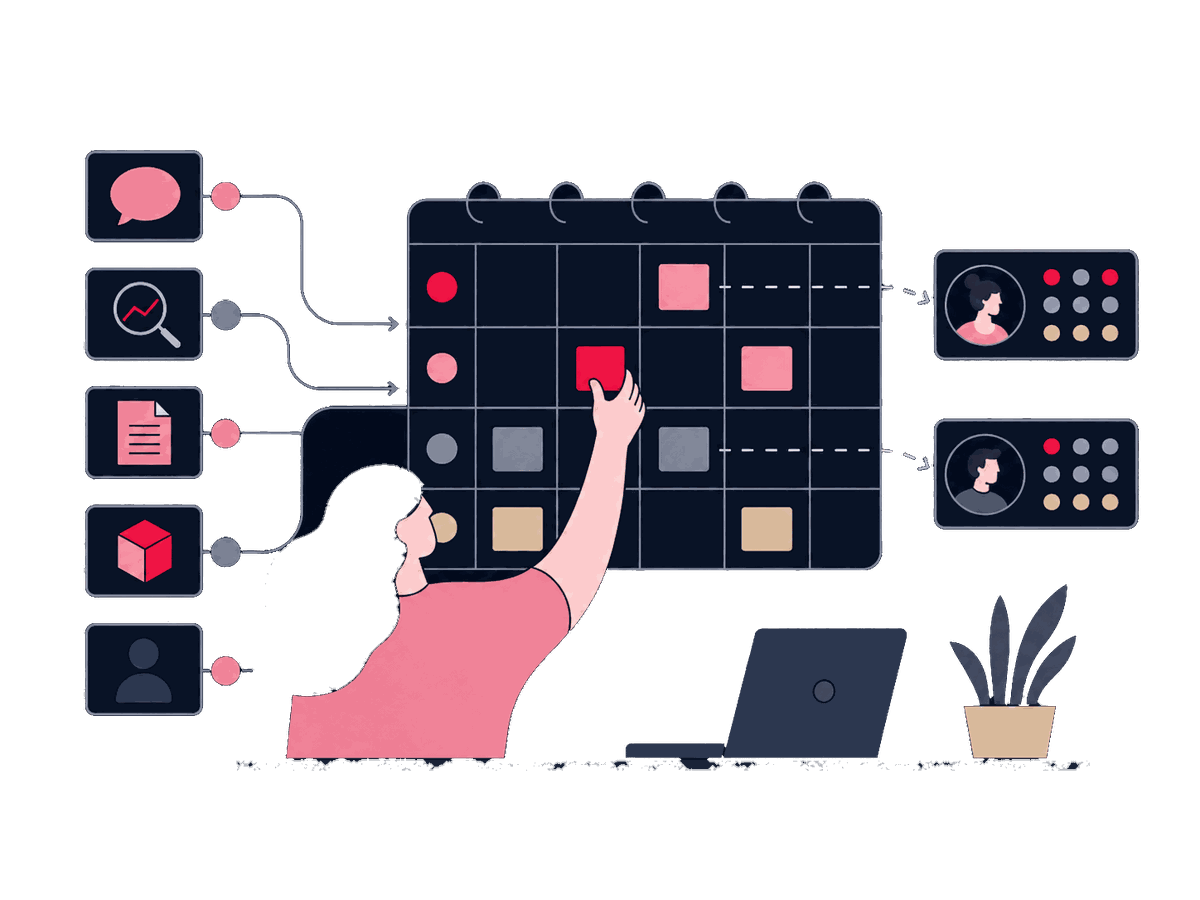
Editorial Calendar Planning
Know when this expert's time is available before scheduling the interview into a busy production calendar.
Downstream
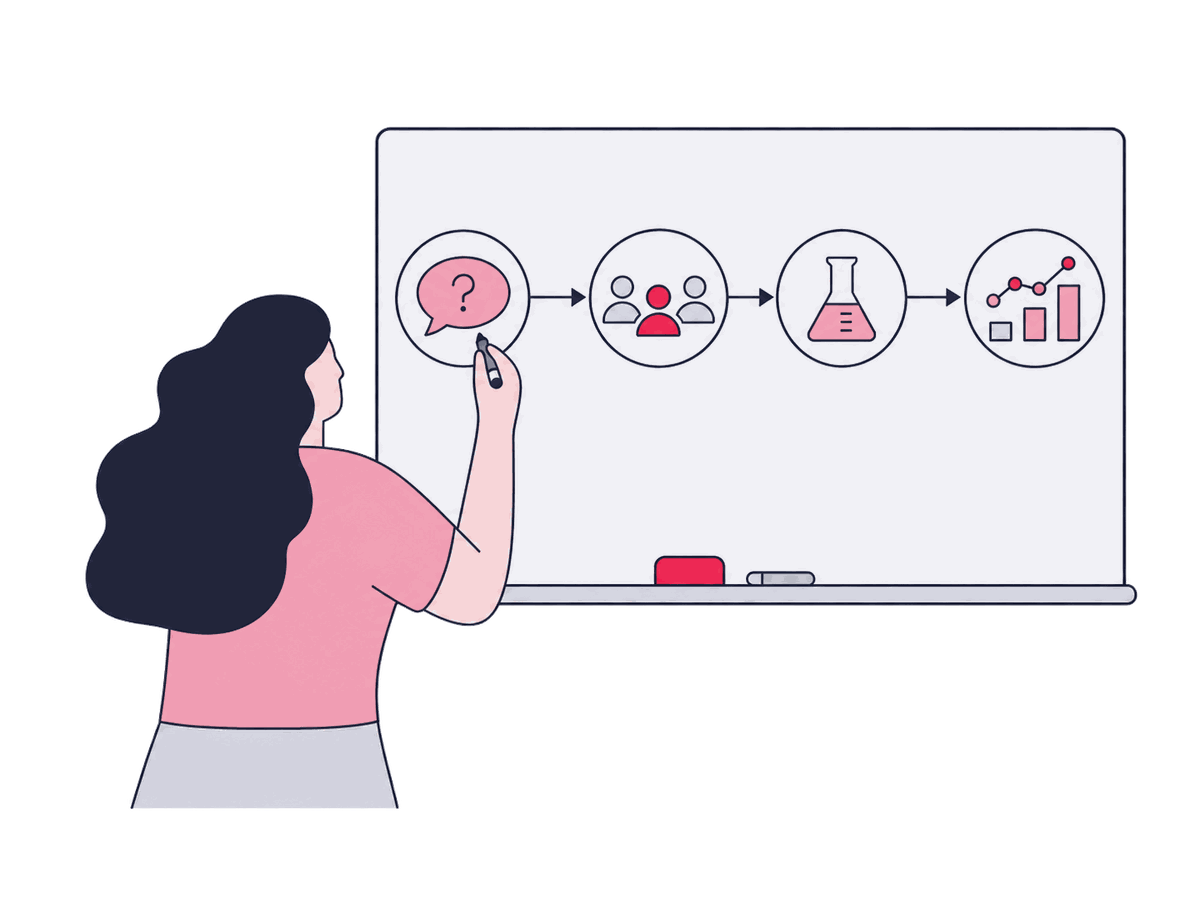
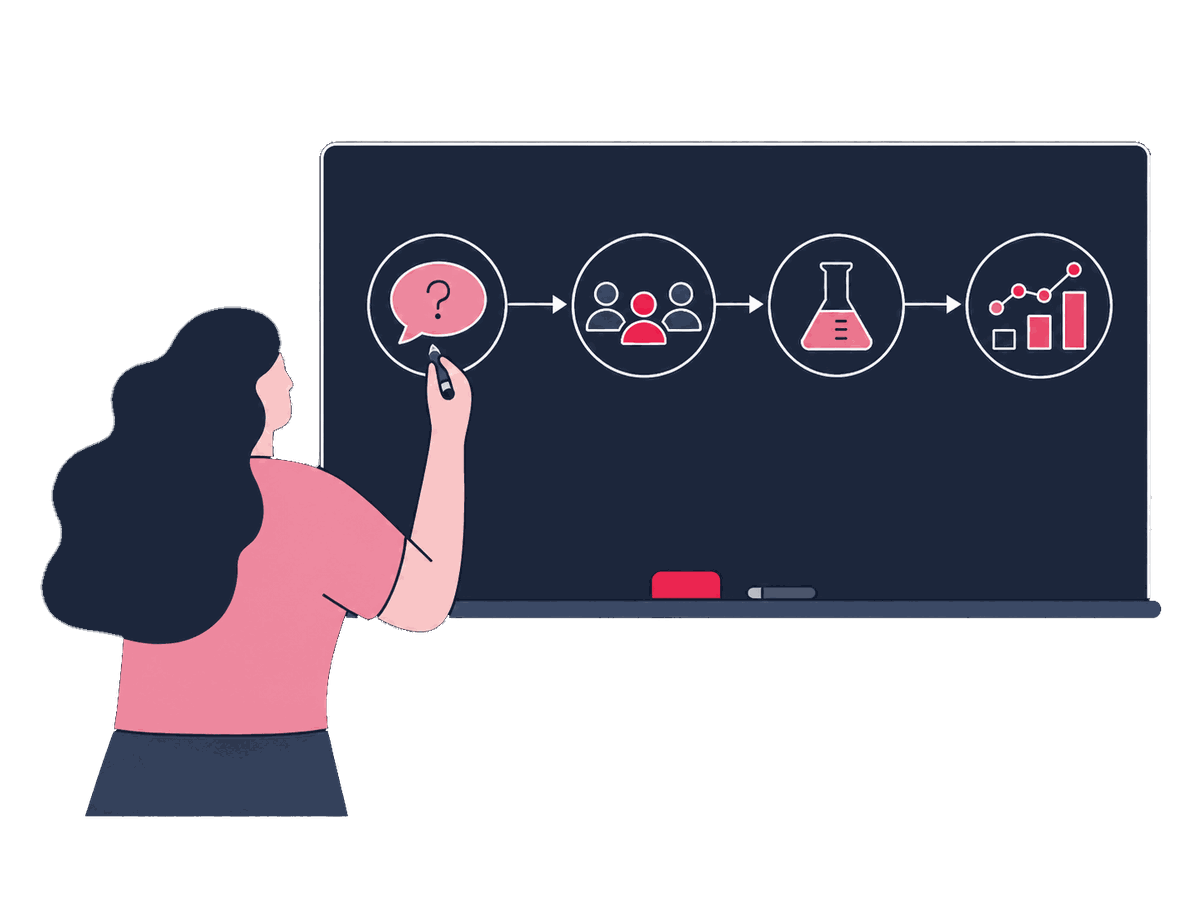
Original Research Planning
If the expert's hunch deserves a bigger study, this is how that gets designed properly.
Complementary
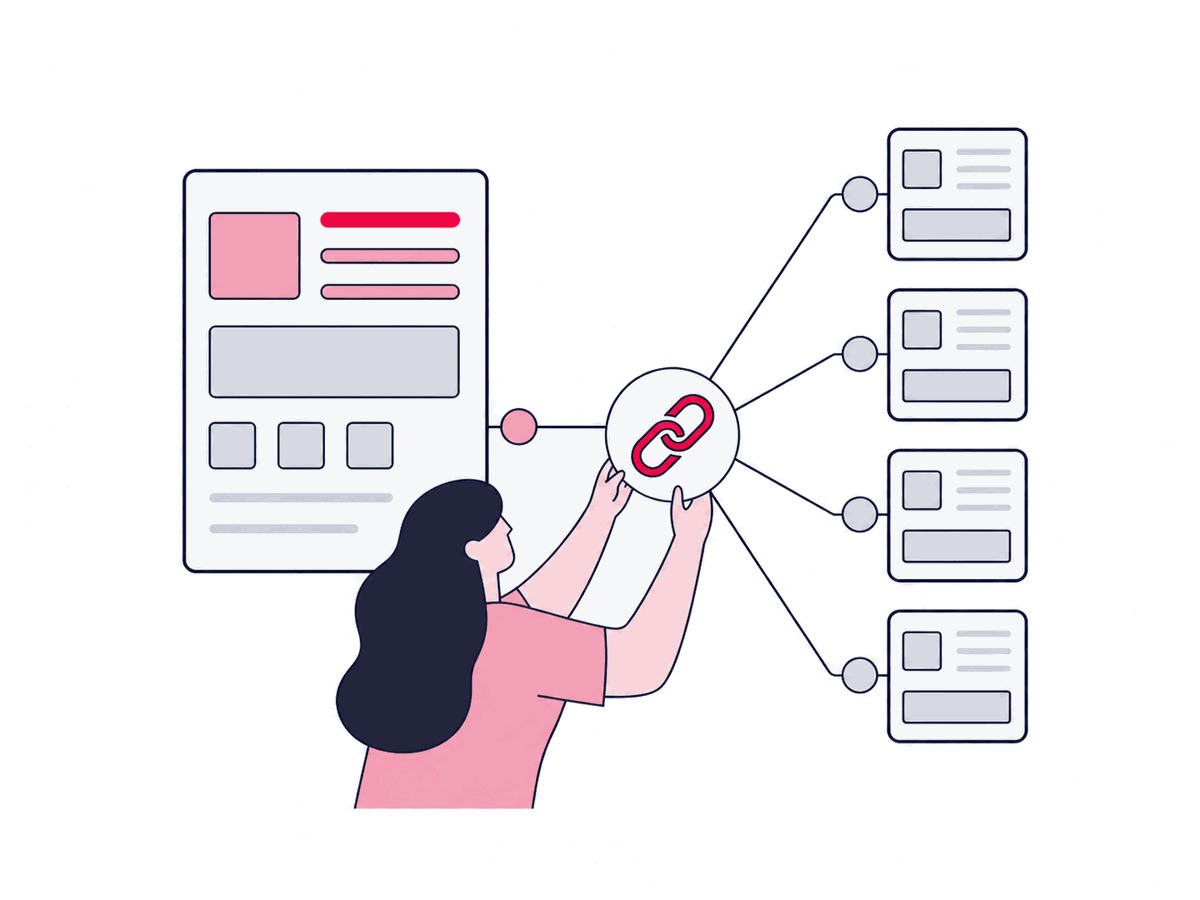
Topic Cluster Strategy & Content Architecture
What an expert says in one conversation often spans several distinct topics, and cluster strategy is what decides which page each part belongs on.
Start the work
Give an undocumented expert view a usable record


Before we start